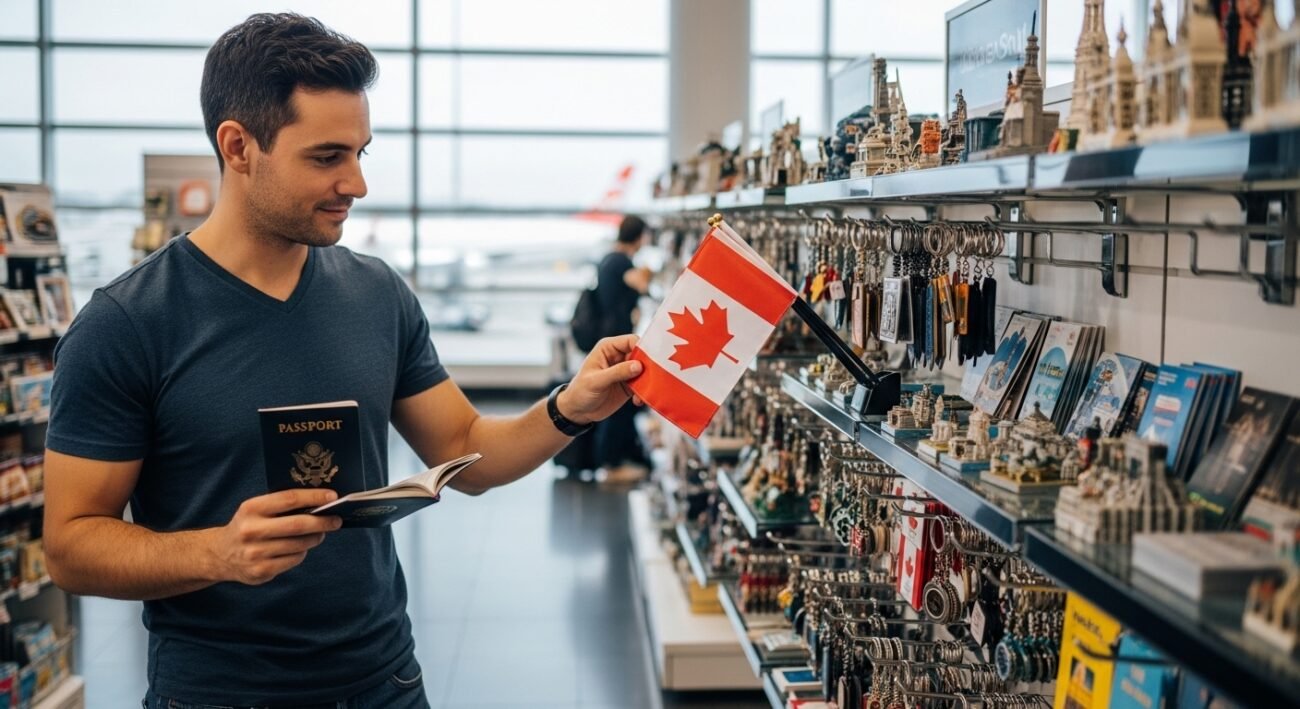
When venturing abroad, the American passport is a powerful tool, yet some globetrotters choose to tuck it away. This phenomenon, often called “incognito traveling,” involves Americans identifying as Canadians or Europeans while navigating foreign lands. While it might seem unusual to deny one’s heritage, the decision is rarely about a lack of patriotism. Instead, it is a calculated move driven by a desire for a smoother, more authentic, and safer international experience. From navigating complex political landscapes to avoiding the “loud tourist” trope, here is why some choose a different identity.
Political Neutrality
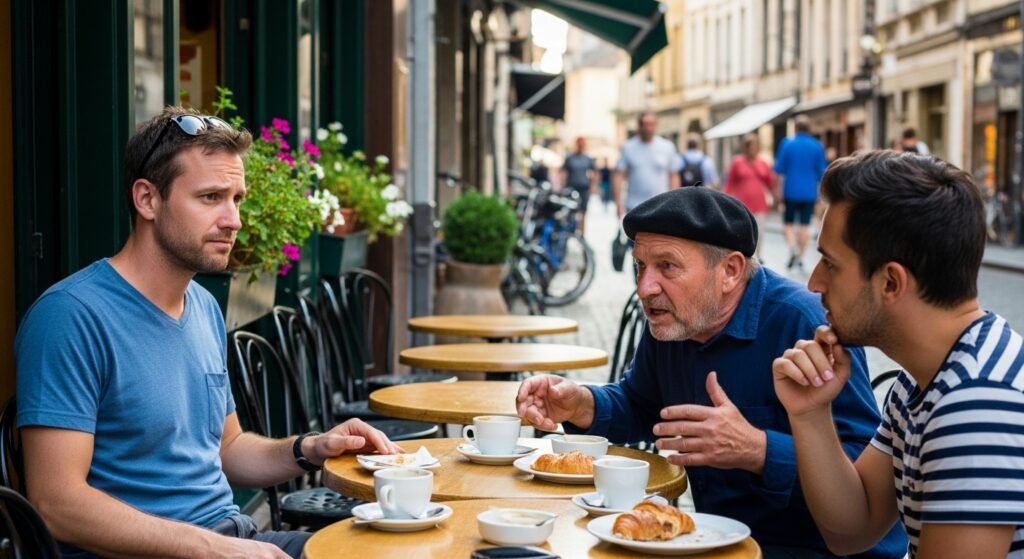
Global opinions on U.S. foreign policy vary wildly. Some travelers claim to be Canadian to avoid lengthy political debates or unprovoked hostility from locals who may disagree with current Washington administration decisions or historical actions.
Personal Safety
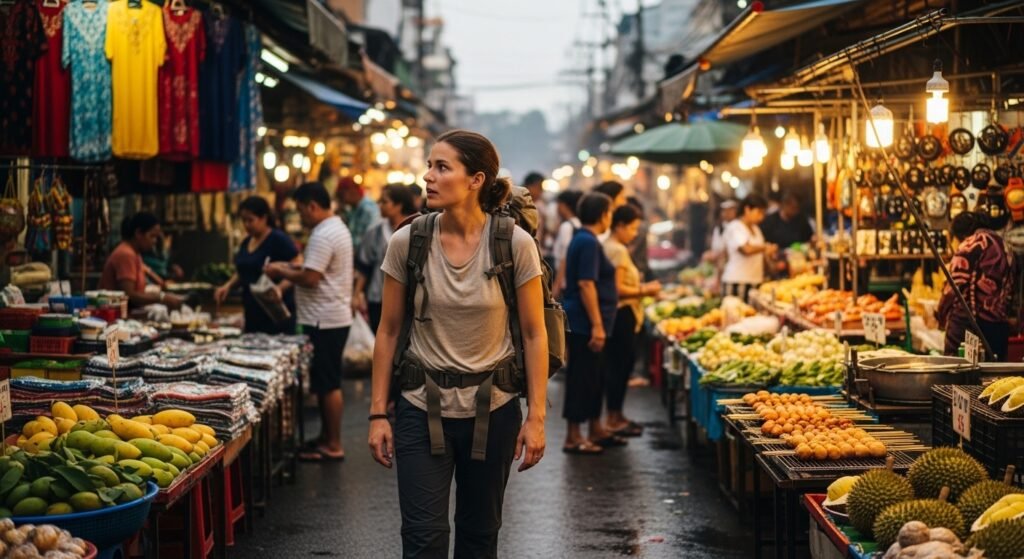
In regions experiencing civil unrest or anti-American sentiment, blending in is a security measure. By identifying as a citizen of a neutral country, travelers feel they are less likely to become targets for targeted crime.
Avoiding Price Hikes
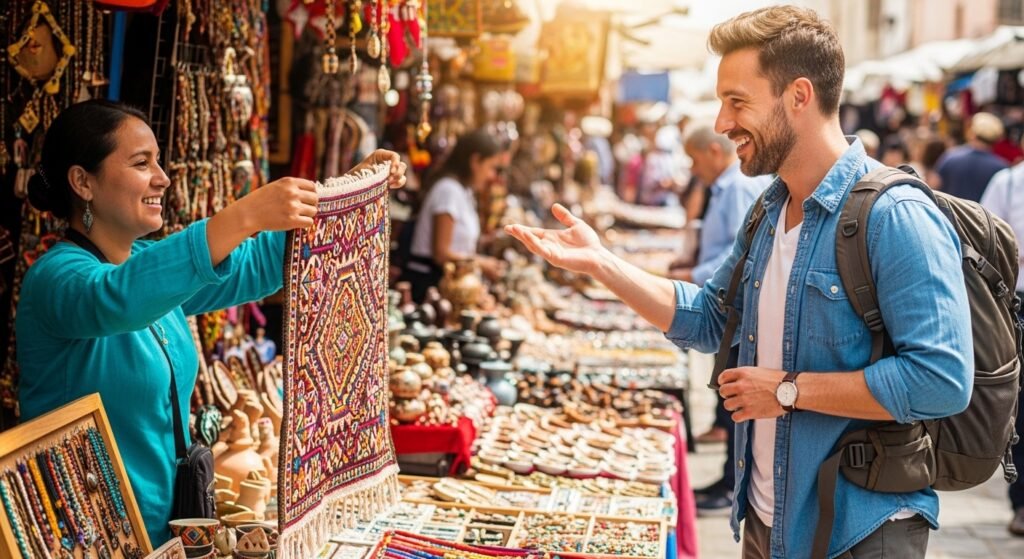
In certain markets and street stalls, vendors may associate Americans with high disposable income. Travelers lie about their nationality to avoid “tourist taxes” and negotiate fairer prices more consistent with what other locals pay.
Cultural Stereotypes
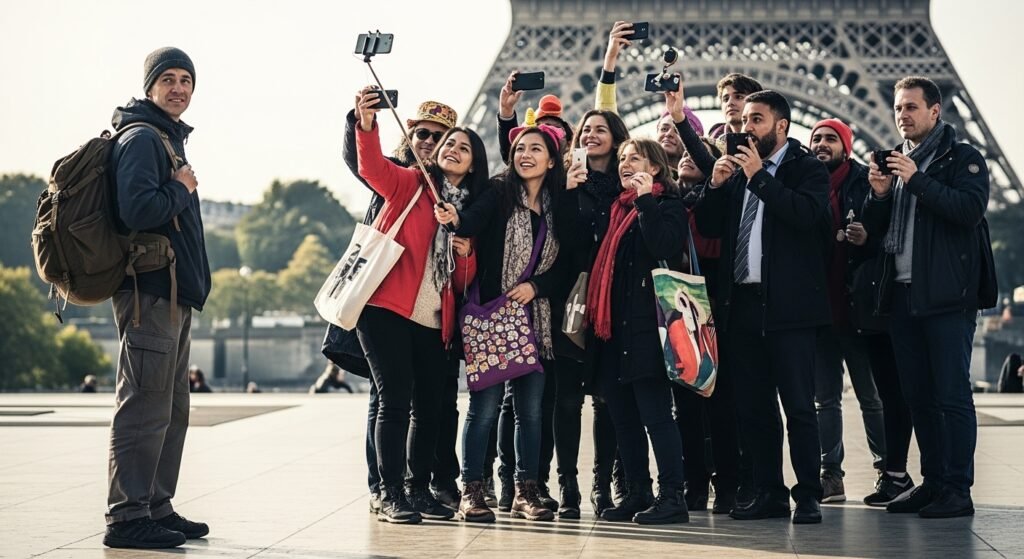
The “Ugly American” stereotype loud, demanding, and culturally insensitive persists globally. Some travelers prefer to start with a blank slate, choosing a different nationality to ensure they are judged on their own behavior rather than a trope.
Genuine Connections

When locals view a traveler through a political lens, conversations can feel forced. Claiming a different origin can sometimes lead to more organic, relaxed interactions, allowing the traveler to experience the local culture more authentically.
Minimizing Attention
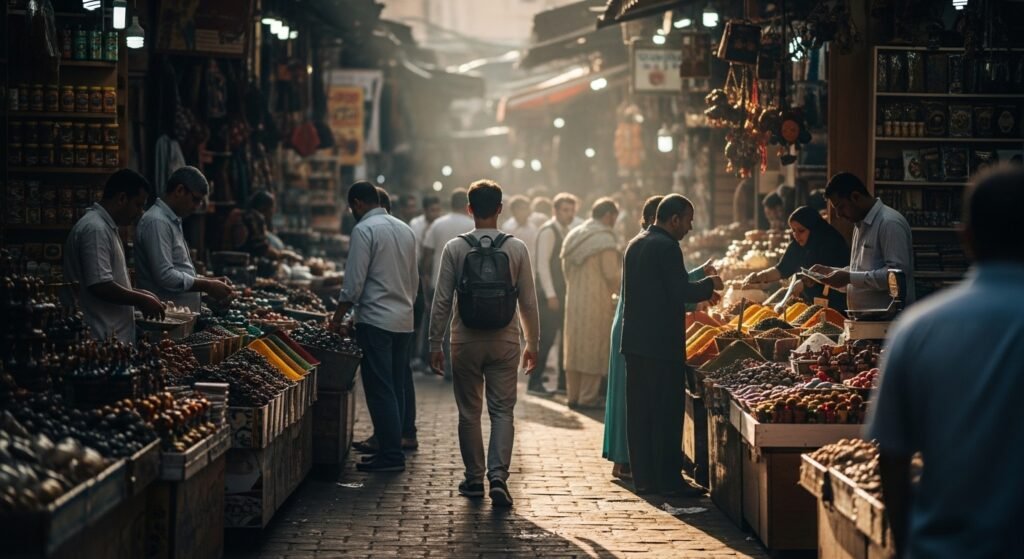
Brightly colored gear and distinct accents can draw unwanted eyes. By adopting a quieter persona and claiming a different home, travelers find it easier to move through crowded spaces without being constantly approached by touts.
Historical Sensitivities

In countries with a complex shared history with the United States, tensions can remain high. Travelers may choose to identify as being from a country with no local baggage to ensure a more respectful visit.
Language Pressures

There is often an assumption that Americans expect everyone to speak English. By claiming to be from a non-English speaking European nation, travelers sometimes find locals are more patient with their attempts at the language.
Group Dynamics

If a solo traveler joins a group of international backpackers, they might feel like the “odd one out.” Adopting a shared regional identity can help them integrate faster into a diverse group of fellow explorers.
Social Ease

Sometimes, people just want a break from being an ambassador. Constantly answering questions about American life can be exhausting. Lying about nationality provides a “day off” from representing an entire nation to curious strangers.
Testing Perceptions
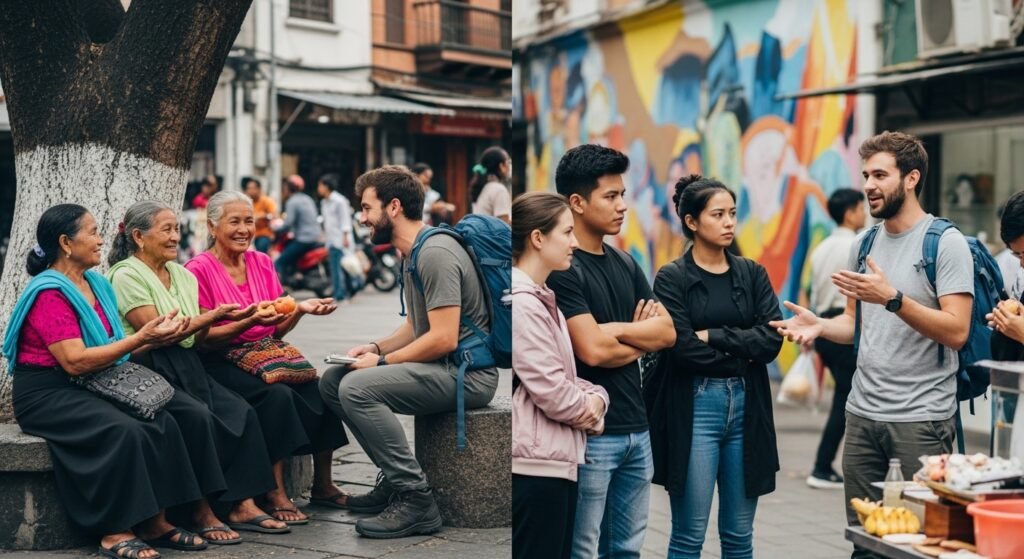
For some, it is a social experiment. They want to see if they are treated differently as a Canadian or an Aussie. This firsthand experience often reveals deep-seated biases and changes how they travel forever.
