
Across the United States, moving trends are shifting once again. Professionals are rethinking where they want to live, families are searching for stability, and many homeowners are prioritizing value and quality of life. Affordable housing, career growth, healthcare access, and lifestyle amenities now weigh heavily in relocation decisions. Some cities offer strong job markets, while others provide lower living costs or better climate. The result is a steady migration toward urban areas that balance opportunity with comfort. In 2026, these eleven American cities are attracting attention for practical reasons, not hype, and people are choosing them thoughtfully.
Austin, Texas

Austin continues to draw newcomers with its strong technology sector and steady job creation. Housing remains competitive, yet many find long-term value. The city offers cultural events, outdoor spaces, and a growing healthcare network for residents.
Raleigh, North Carolina
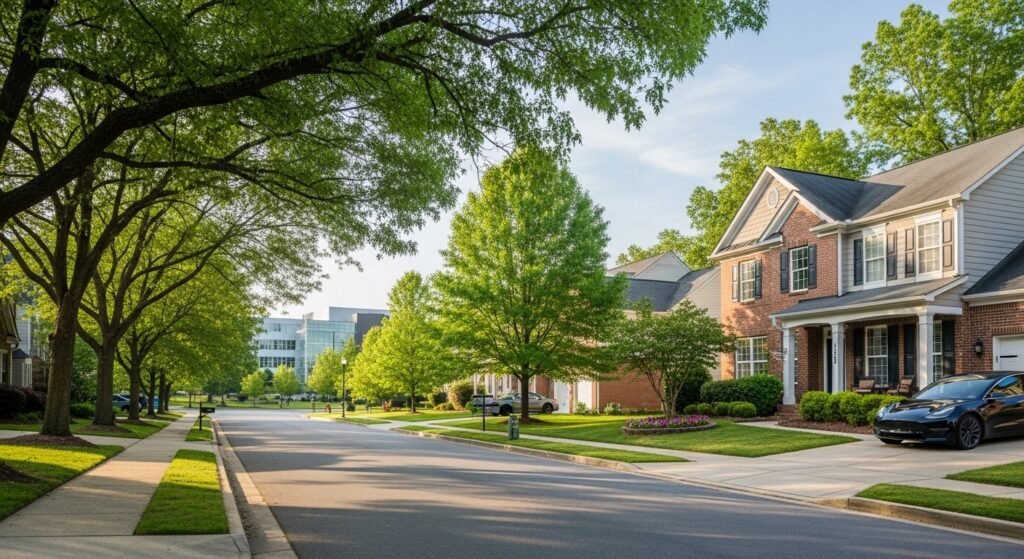
Raleigh benefits from research institutions and expanding corporate offices. The cost of living remains manageable compared to larger metros. Quiet neighborhoods, quality schools, and accessible greenways appeal to relocating professionals and families.
Nashville, Tennessee
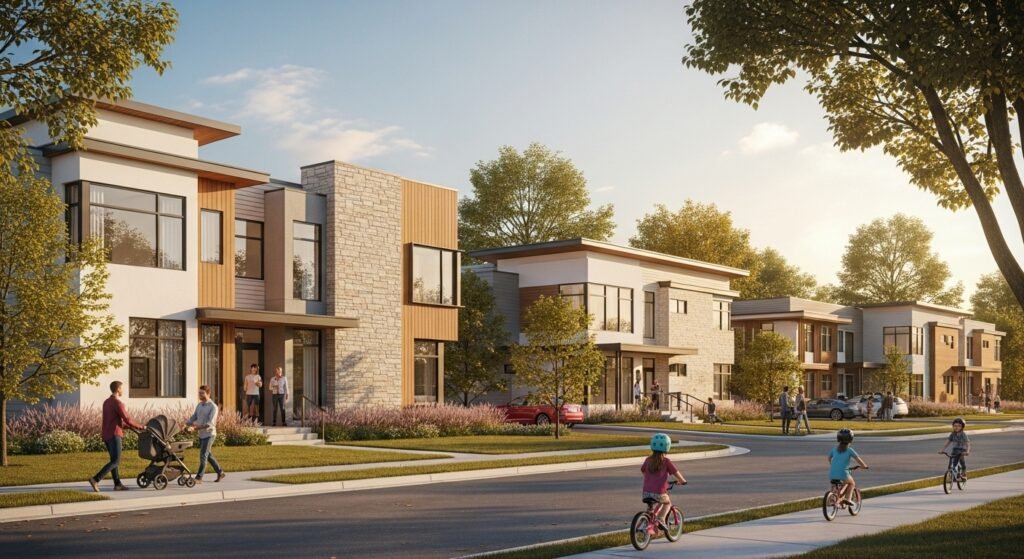
Nashville is evolving beyond its music roots. Healthcare companies and logistics firms are expanding operations. Residents appreciate the absence of state income tax and a housing market that still offers suburban-style communities.
Charlotte, North Carolina
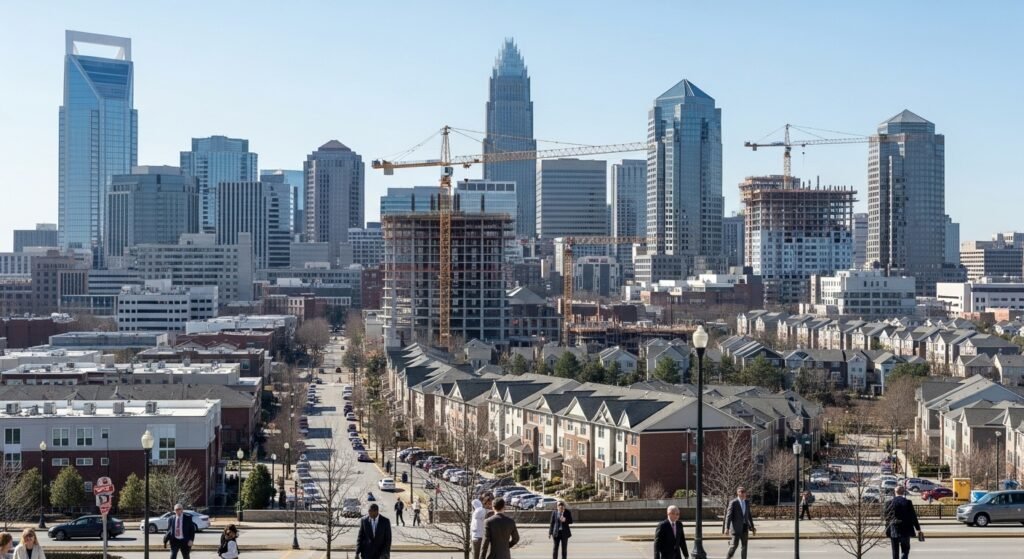
Charlotte remains a financial hub with steady banking and fintech growth. New infrastructure projects support expansion. Many movers cite employment stability and relatively affordable property prices compared to coastal cities.
Tampa, Florida
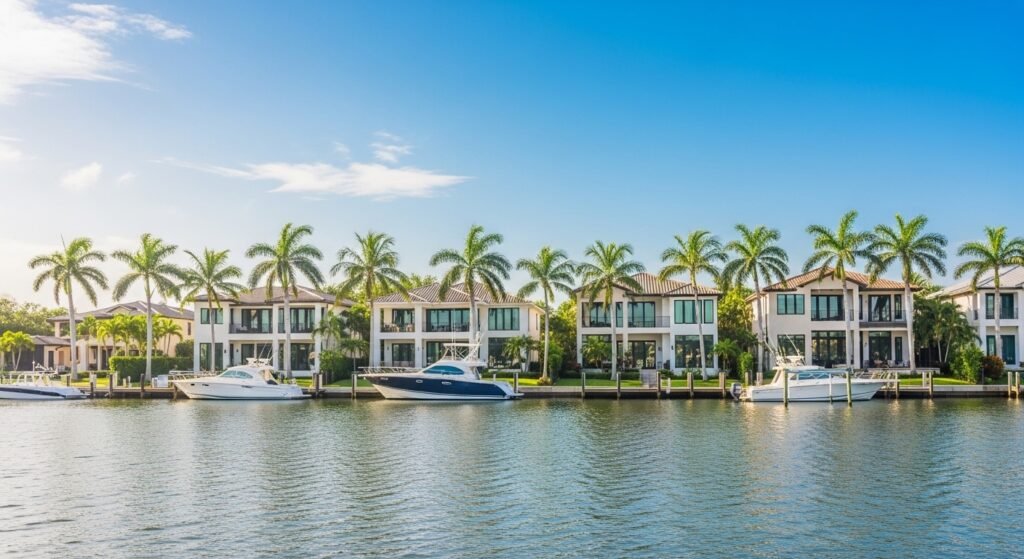
Tampa attracts buyers seeking warm weather and tax advantages. Finance, healthcare, and tourism industries support job growth. Waterfront neighborhoods and planned communities continue to expand, drawing steady relocation interest.
Phoenix, Arizona
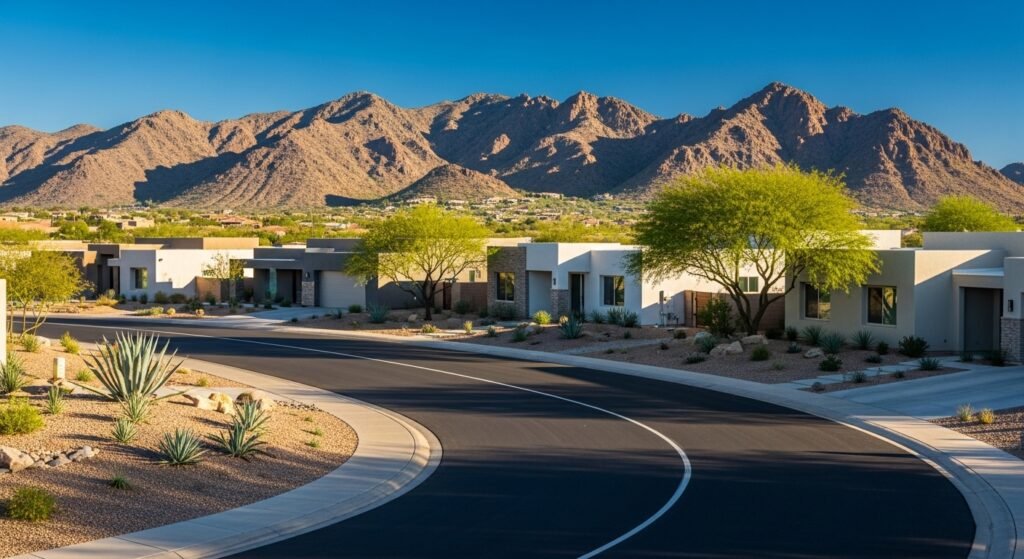
Phoenix offers wide residential developments and a growing semiconductor industry. Many appreciate the predictable sunshine and modern master-planned suburbs. Businesses continue investing, creating consistent employment opportunities for new arrivals.
Dallas, Texas
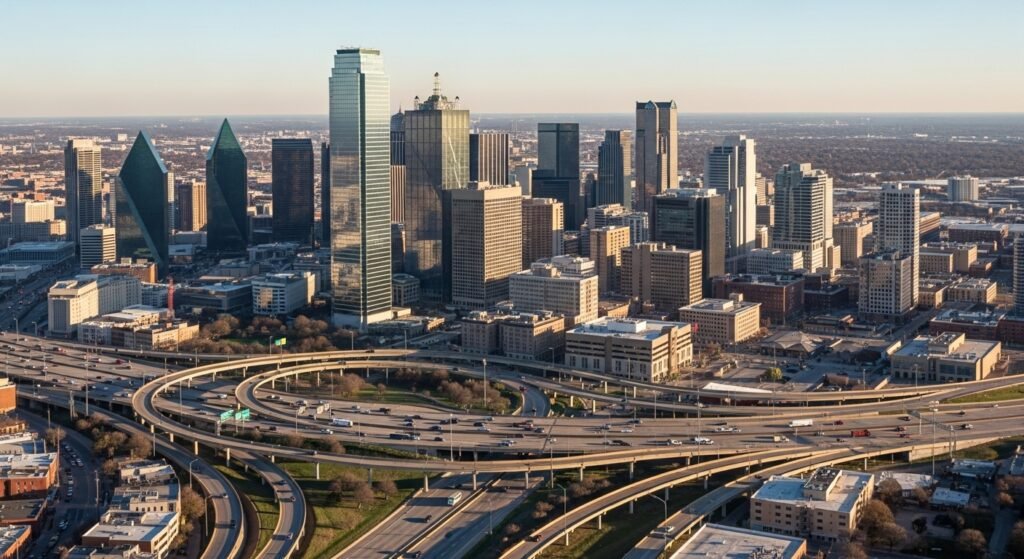
Dallas stands out for corporate headquarters relocations and a diversified economy. Real estate options range from urban condos to larger suburban homes. Infrastructure expansion keeps supporting long-term residential growth.
Atlanta, Georgia
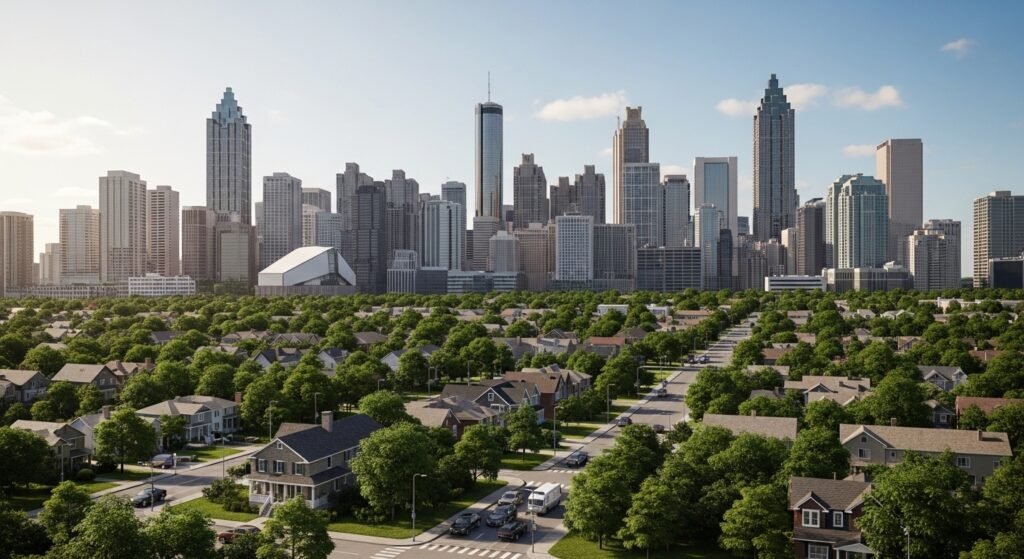
Atlanta combines a major airport, film production growth, and strong corporate presence. Neighbourhood revitalisation projects continue. Many families value the balance between career access and established suburban communities.
Boise, Idaho
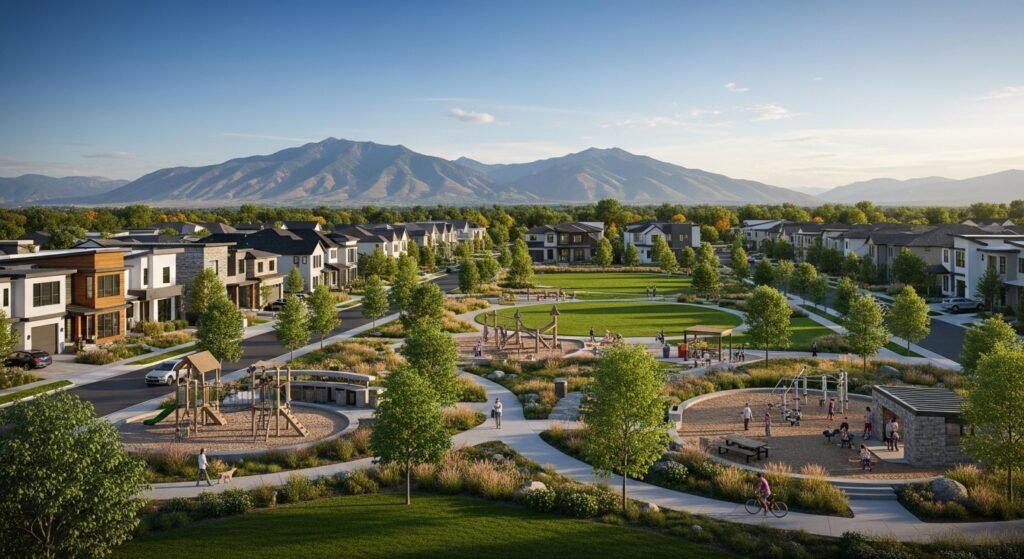
Boise has transformed into a tech-friendly destination. Outdoor recreation remains a key attraction. Although prices rose in recent years, buyers still find relative affordability compared to West Coast markets.
Columbus, Ohio
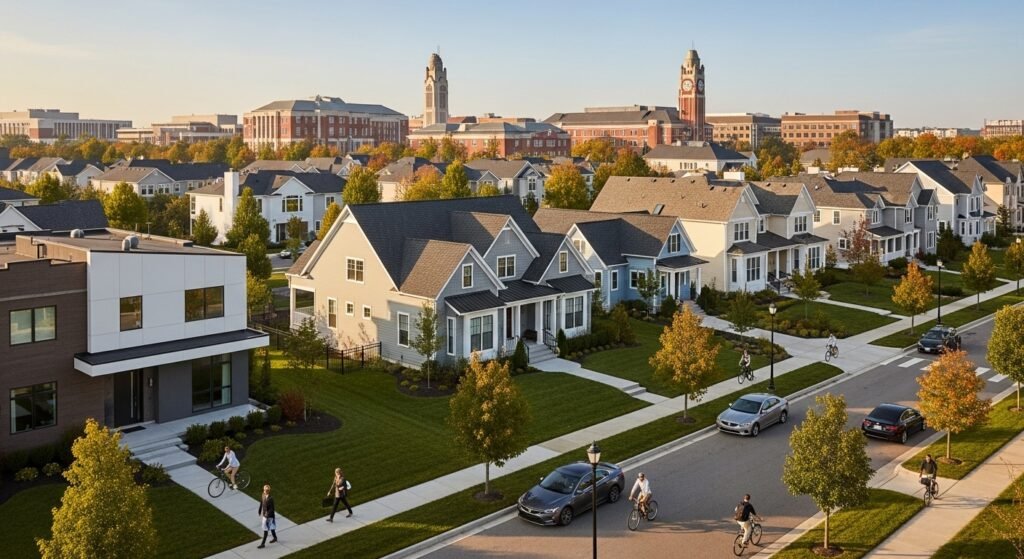
Columbus is benefiting from new semiconductor investments and university-driven innovation. The housing market remains steady and approachable. Residents appreciate shorter commute times and expanding suburban developments.
Denver, Colorado
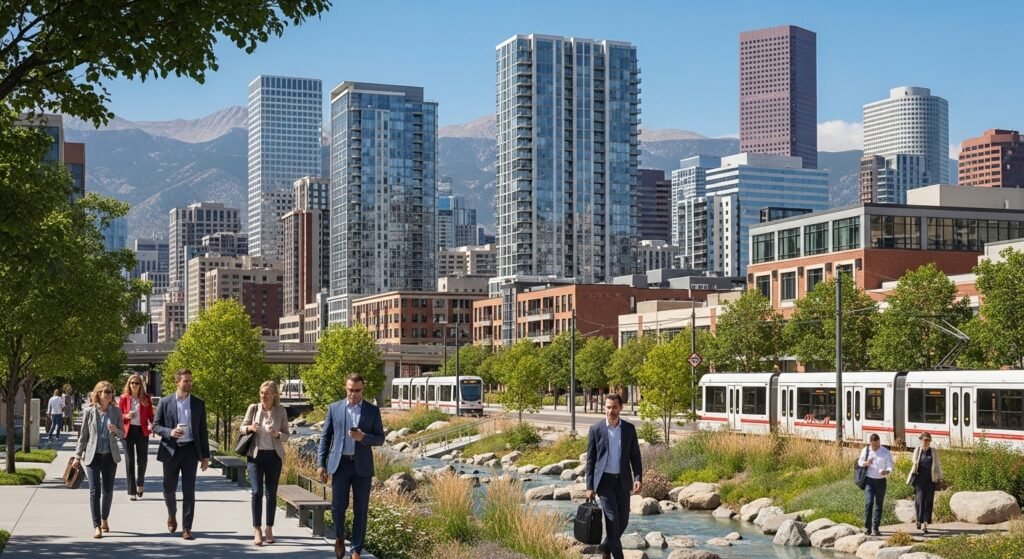
Denver continues to attract professionals seeking career mobility and access to nature. Technology, healthcare, and aerospace industries remain strong. Despite rising costs, demand holds due to lifestyle and employment prospects.
