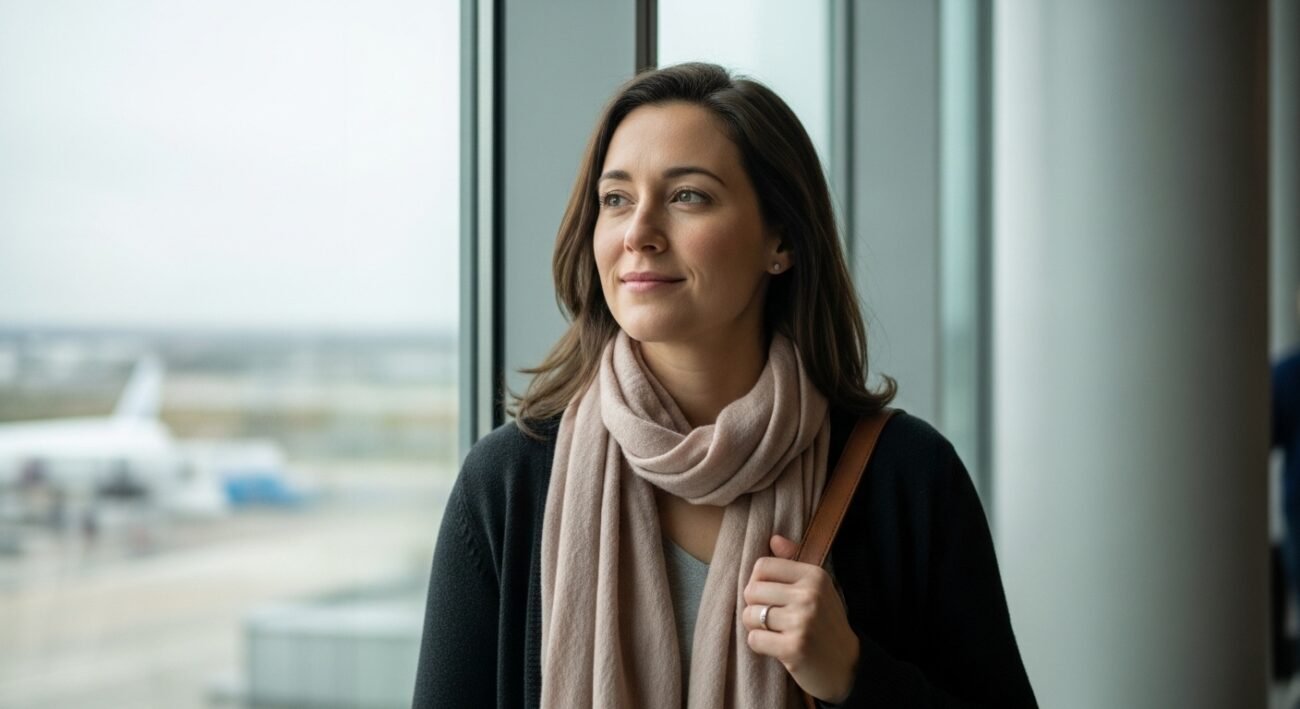
For many people, the excitement of travel is often accompanied by anxiety. From fear of flying to worries about unfamiliar places, travel anxiety can turn anticipation into stress. The good news is that anxiety does not have to stop you from exploring. With the right tools, travel can be safer and more enjoyable.
What Travel Anxiety Really Feels Like
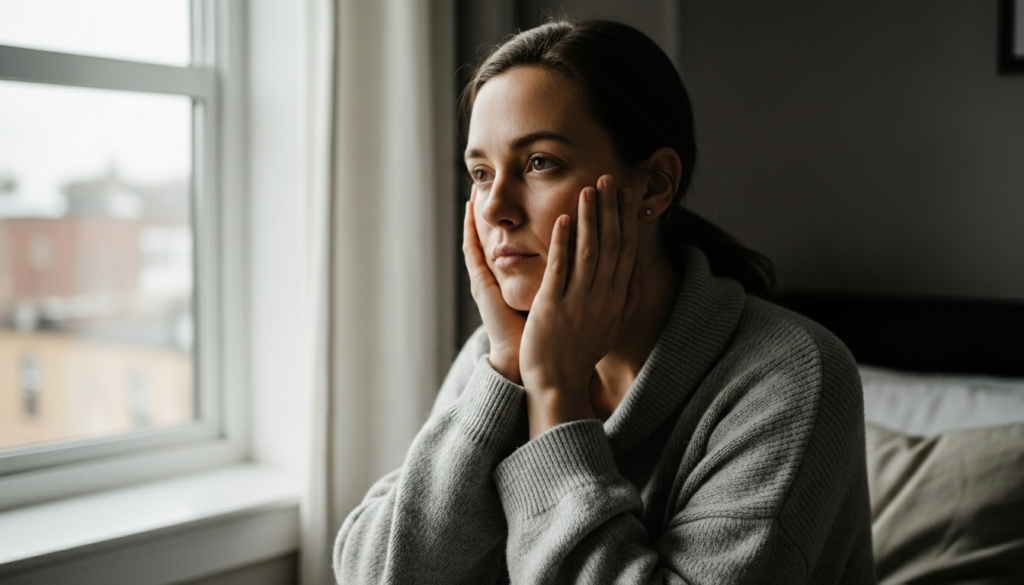
Travel anxiety often shows up both physically and mentally. You may experience a racing heart, nausea, or restlessness, along with constant over thinking, and the fear of the unknown. Over time, it can lead to physical and emotional exhaustion.
Identify Your Personal Triggers
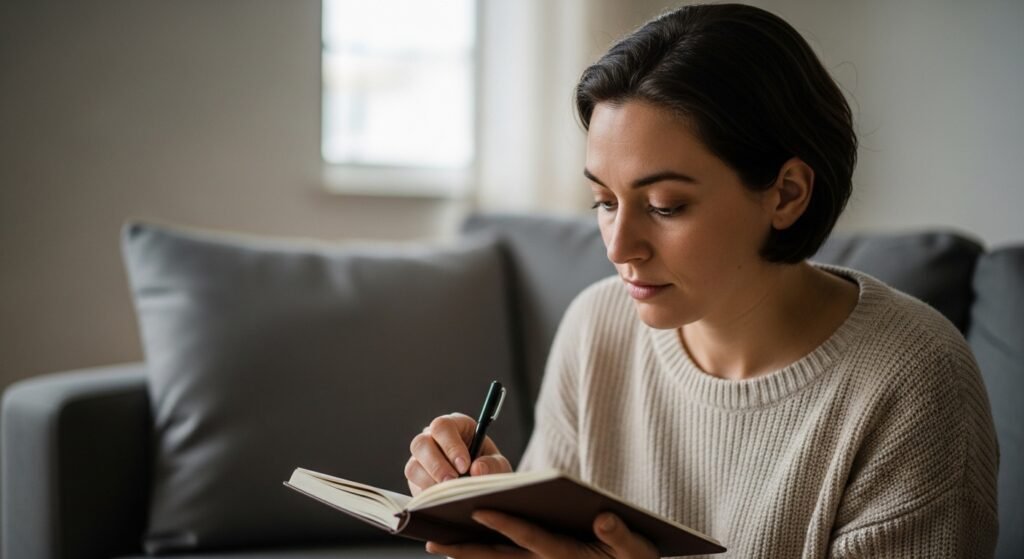
It is important to identify the triggers to prepare you better and reduce fear. Travel anxiety looks different to everyone. For some, flying, large crowded places, or unfamiliar places can feel overwhelming while others can trigger by loss of regular routine.
Plan Ahead, not overplan
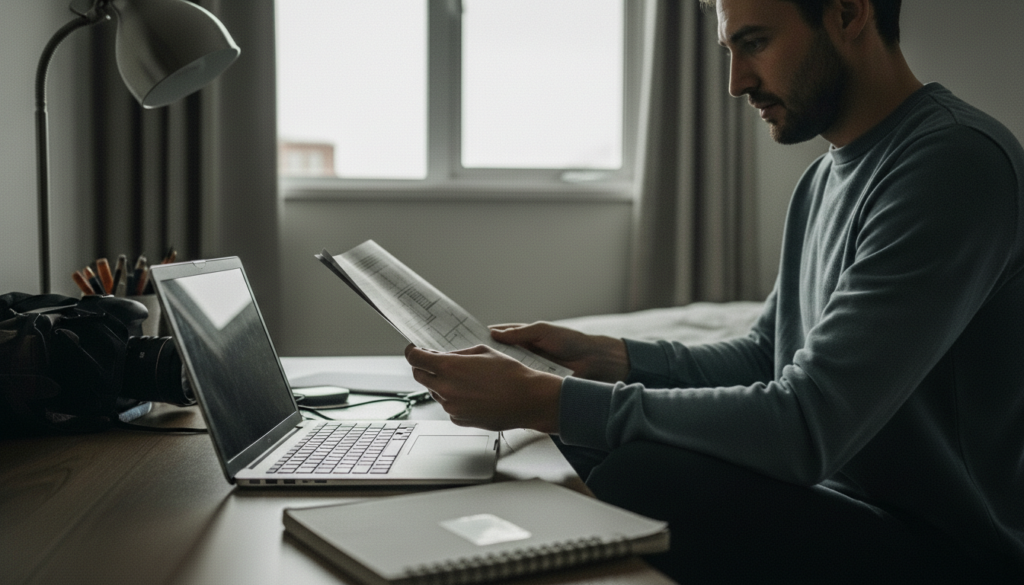
Book hotels, tickets and other things in advance, look through itineraries. But it is important to keep a balance between structure and flexibility, it helps in reducing stress and under pressure. It is important to understand the planning is for reassurance and not for pressure.
Practice Grounding Techniques Before You Go
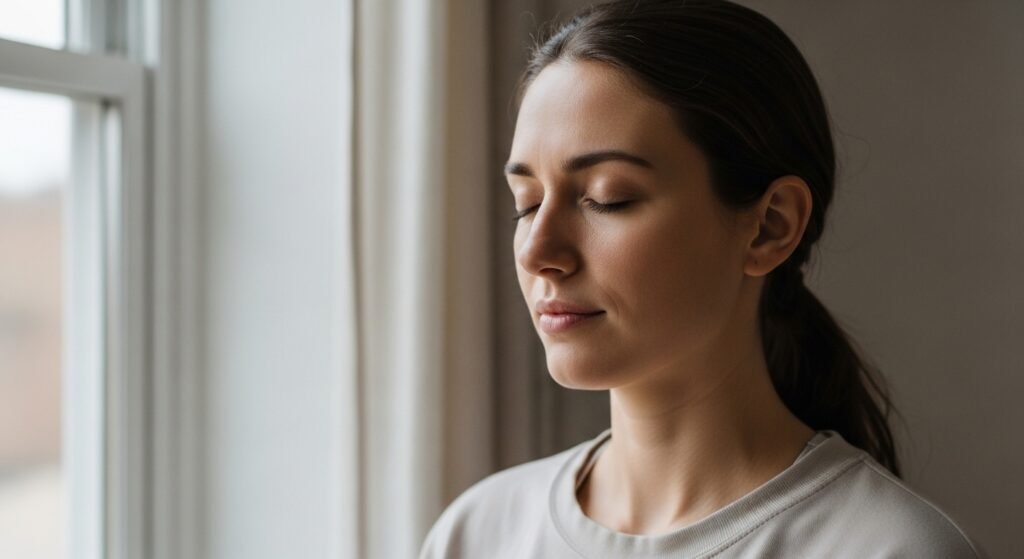
Grounding techniques can help you calm your nervous system before travel begins. Simple breathing, guiding visualisation and mindfulness practices reduce stress and bring your focus back to the present moment. Practicing these tools in advance makes them more effective when anxiety appears.
Create a Comfort Kit for Travel Days
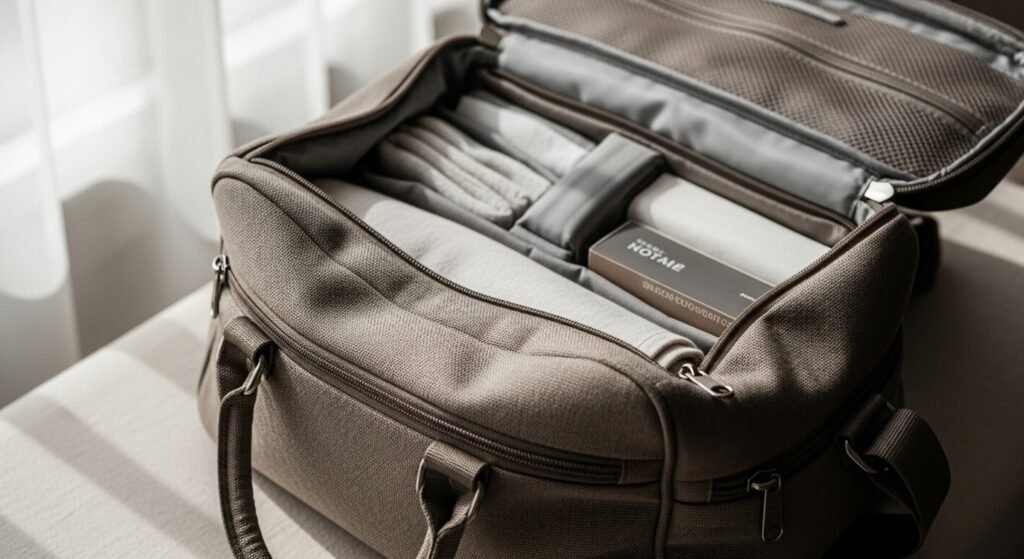
A small comfort kit can make travel days feel safer and more manageable. Including calming music, favourite snacks, or familiar scent that soothes you. These objects act as a sign of safety to your body and mind, reminding you that emotional comfort matters beyond the logical reason.
Reframe Anxious Thoughts With Facts
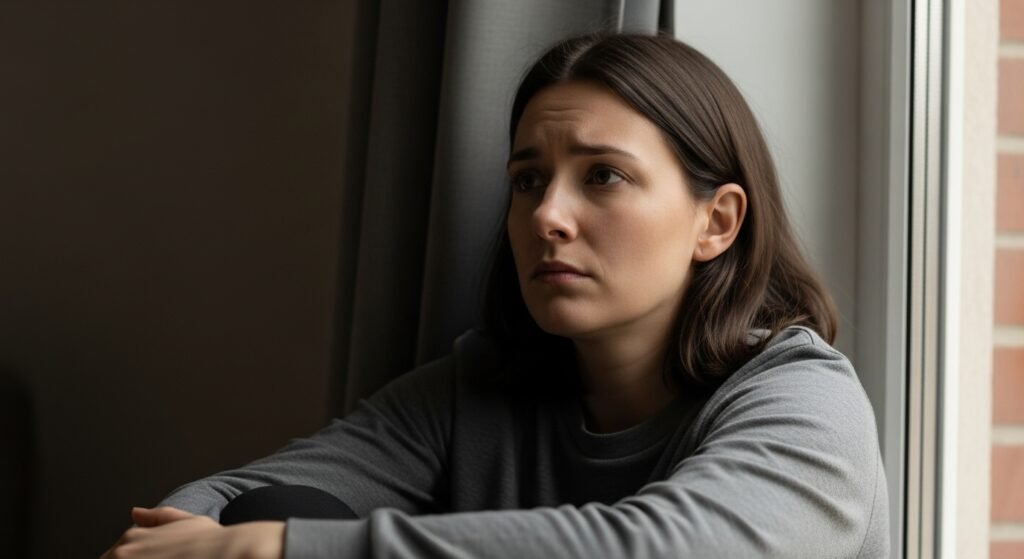
Anxiety often exaggerates the actual life with senseless thoughts. When anxious thoughts arise, pause for a moment and separate fears from facts. Challenge your thoughts and ask them for evidence. Replacing imagined outcomes with realistic information helps restore balance and reduces the intensity of fear.
Take Care of Your Body While Traveling
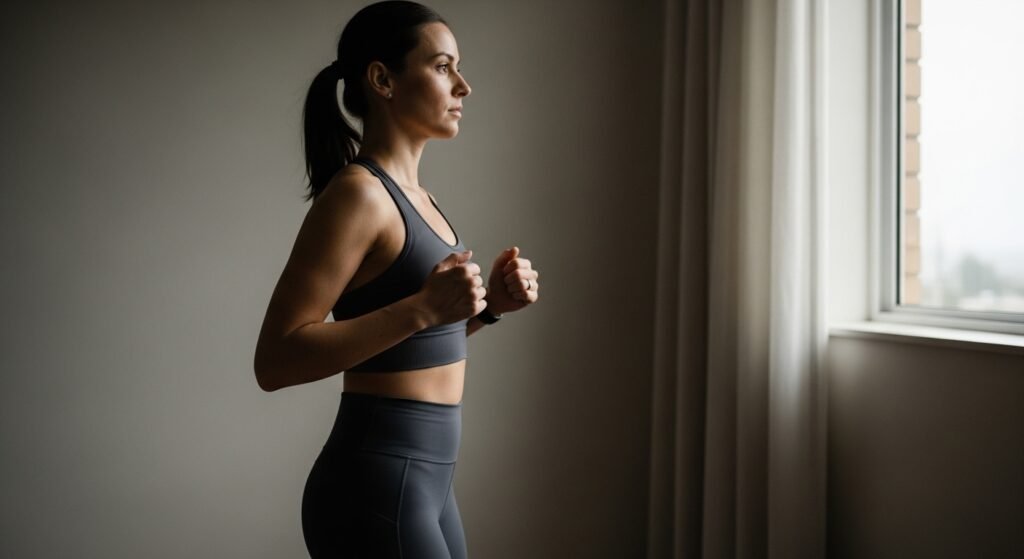
When you travel, it disrupts your routine and it is important to take care of your body while travelling. Hydrate yourself, move your body a little and get a good amount of sleep. If you’re physically good you feel automatically better and it reduces the chances of mental exhaustion.
Give Yourself Permission to Go Slow
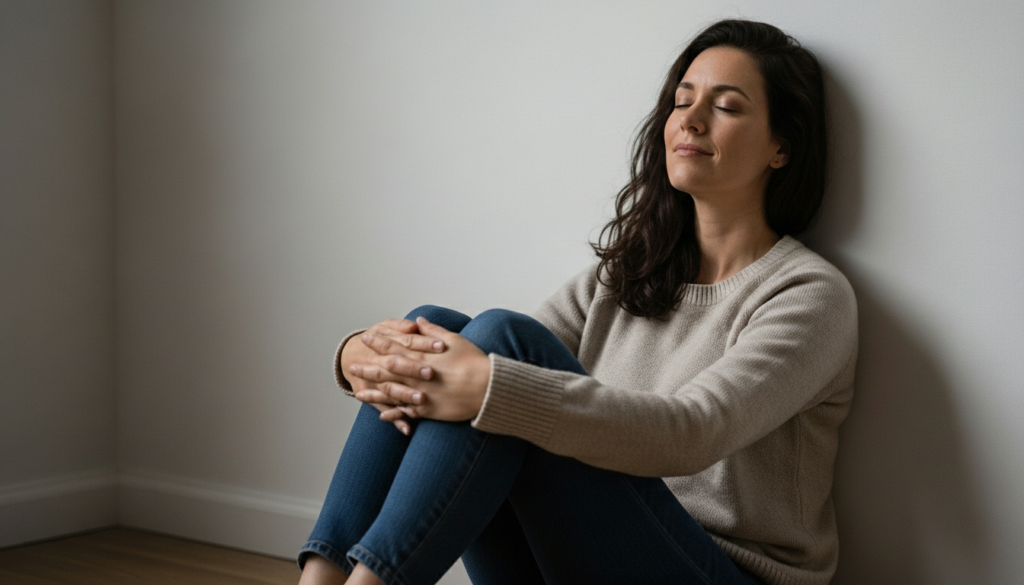
There is no rule that says you must enjoy every moment of travel. Rest days are valid, and slowing down is not a failure. Traveling at your own pace allows your nervous system to adjust and helps anxiety feel more manageable.
