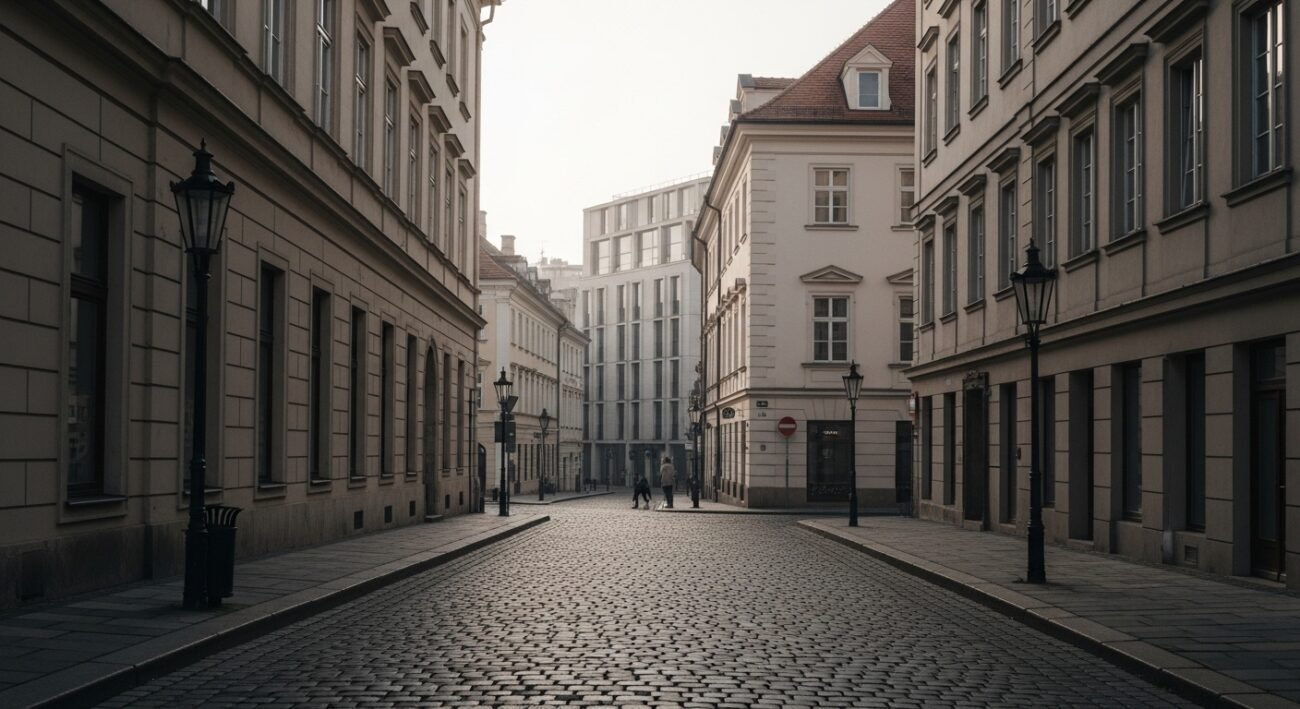
The possibility of travel in 2026 may begin to take a new shape, and this is particularly so for those longing to enjoy the city without being engulfed by masses of people. It has been silently constructed that Eastern Europe boasts of culture-filled streets, woven history, creative vitality, and prices that might seem friendly enough compared with certain Western capitals. Old-world structures and new concepts converge in an unimposing manner in cities, which is quite refreshing. Cobblestone streets, multicolored fronts, walks along the river, and vibrant civic plazas appear to be slow to navigate. Should the next year demand something relevant, it is possible that these cities can provide it, and the histories will be found in every nook, and the surprises will be revealed without any pretense.
Kraków in Poland
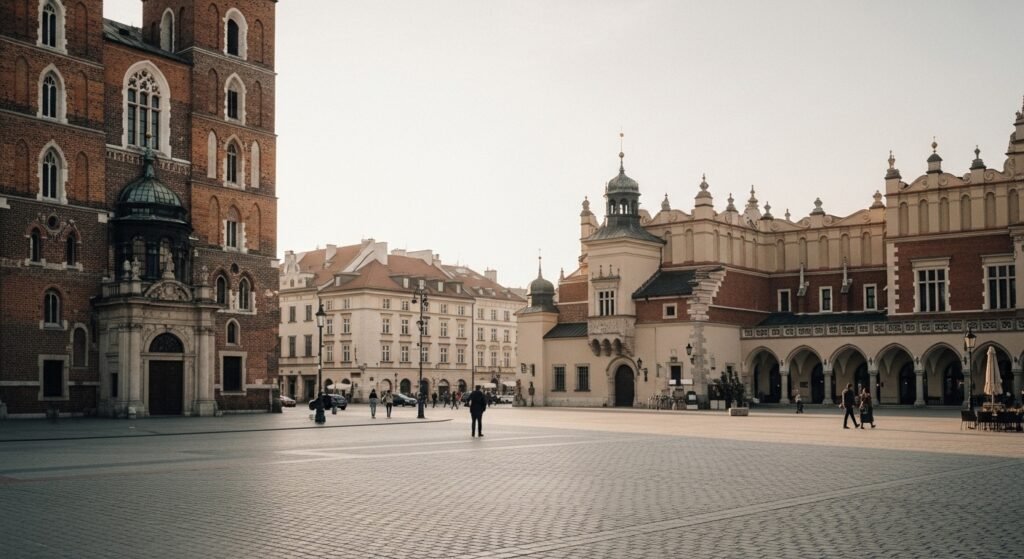
Krakow is historically loaded, and one can see it in its old town, which has been preserved, and in its squares. Simultaneously, the creative young generation and students can create an energetic cultural scene. It would be a well-considered break to one who values profundity and pleasantness alike.
Sofia in Bulgaria
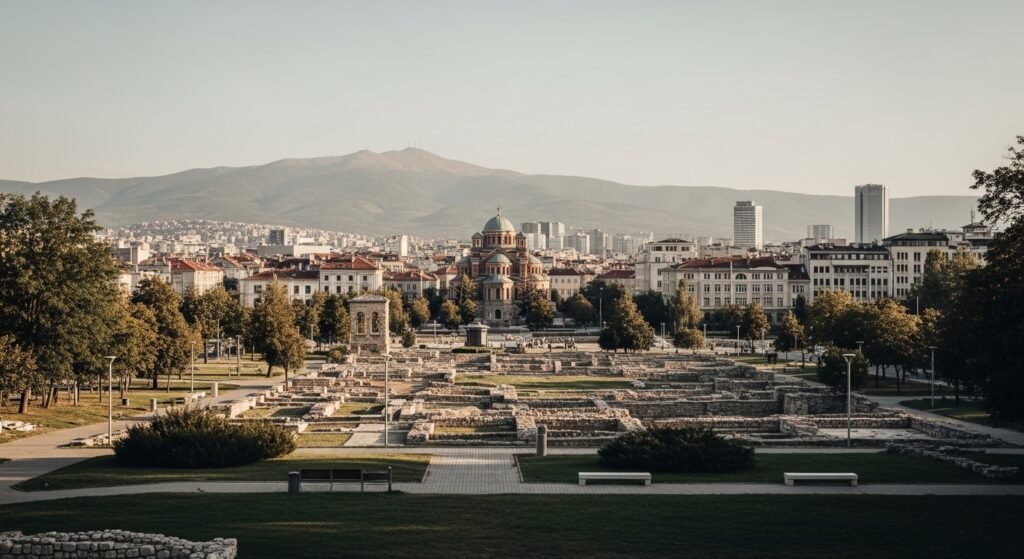
Sofia positions herself on the mountainous mountainside, which may bring peace to the city adventure. The presence of ancient ruins, green parks, and modern cafes seems to go well. It would be fitting for those travelers who may like to travel at a slower pace with some more layers of visible past.
Tallinn in Estonia
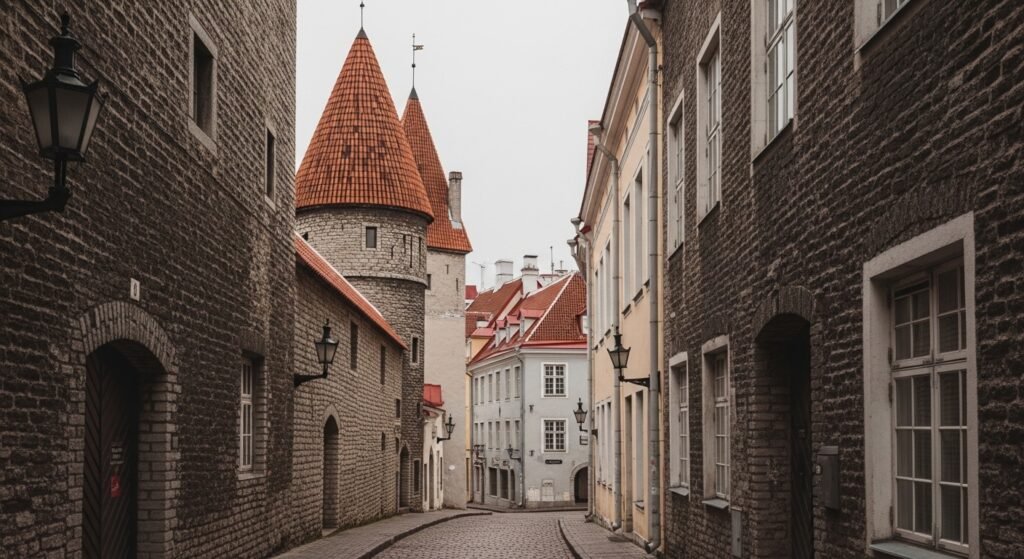
Tallinn frequently resembles a talebook, particularly in the medieval old town. Other than the historical walls, an emerging technology and design ecosystem can provide a new contrast. The combination could render it timeless and unexpectedly not out of date.
Riga in Latvia
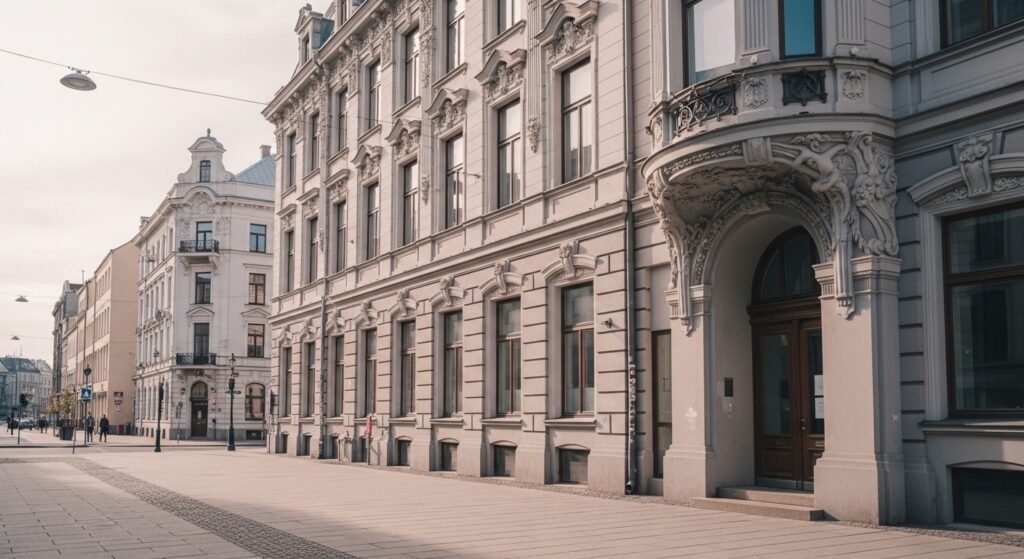
Riga could become an attraction to architecture enthusiasts with its impressive Art Nouveau structures. Open avenues and green gardens might give room between sightseeing destinations. Creative energy might be unspoken in the city, but it can be discovered in the galleries and local markets.
Belgrade, Serbia
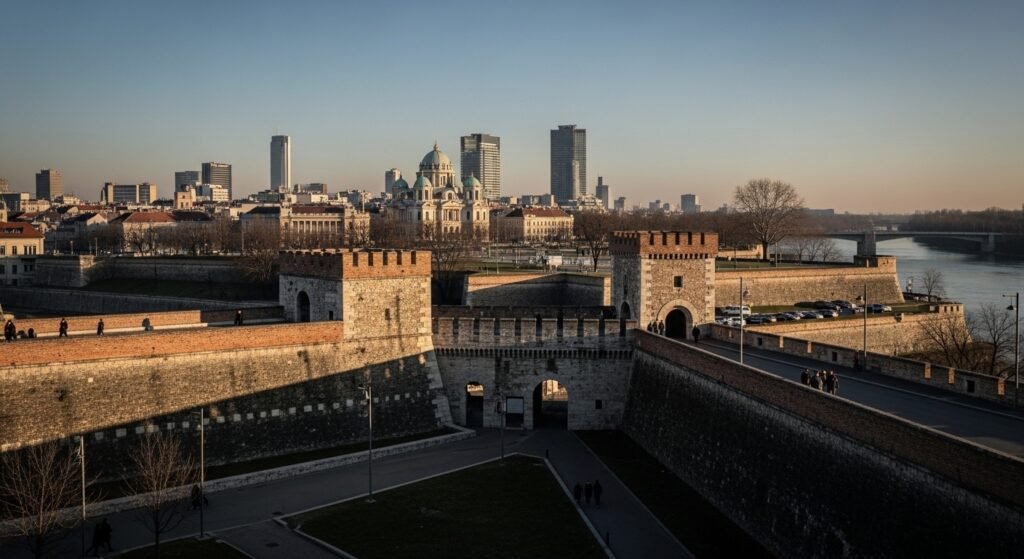
Belgrade is a city of a daring nature that can be revealed in several hours of staying. Old fortresses ignore contemporary changes, and the streets are usually bustling. It might be an engaging option for those who are attracted to the themes of powerful character and changing identity.
Tbilisi, Georgia
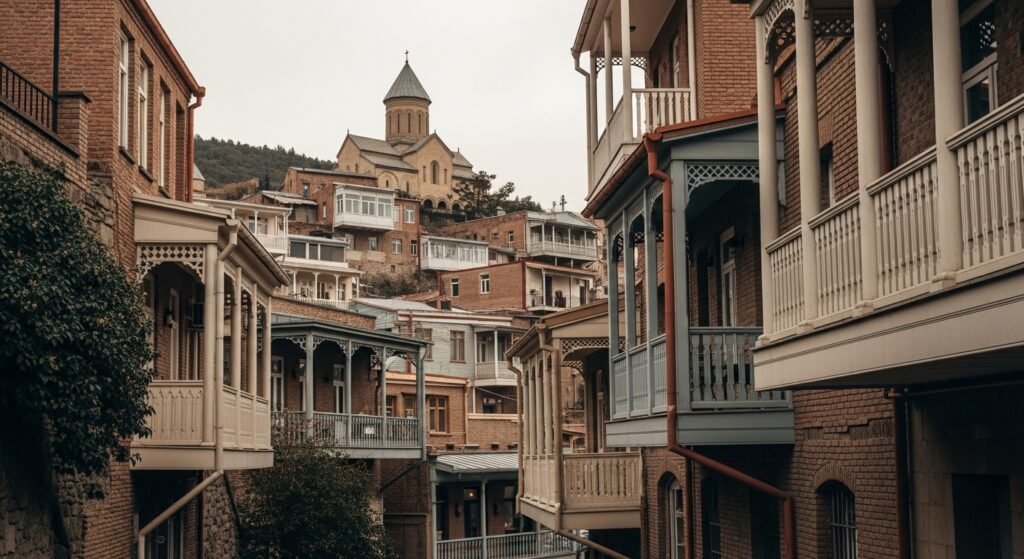
Tbilisi is a mixture of hillside houses, old churches, and modern design that could be reminiscent of naturalness. It might be easy to nestle in its colorful balconies and the welcoming places of the people. The city could pay off curiosity with the unanticipated views and narrations.
Gdańsk in Poland
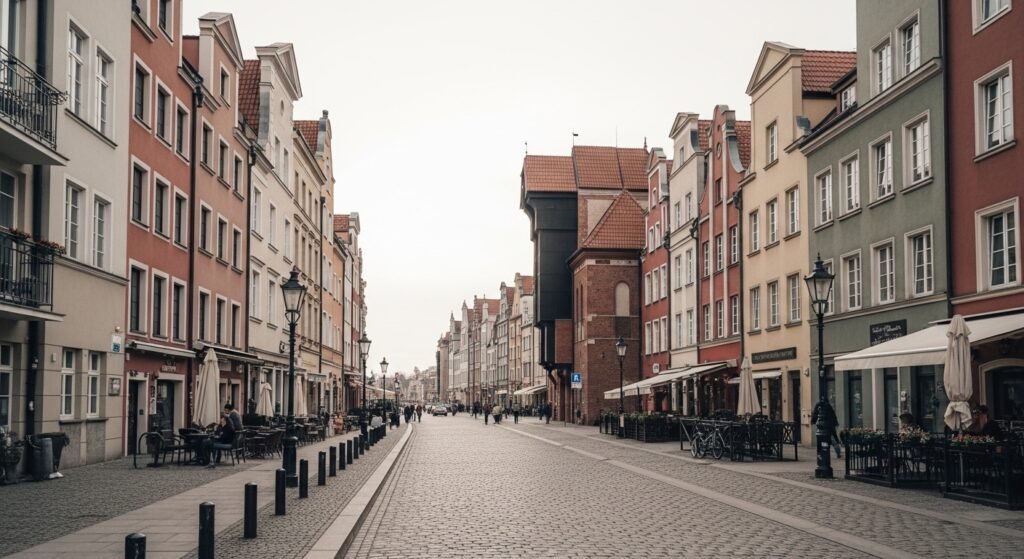
Gdańsk is located on the Baltic coast with painted fronts, which might attract attention at first sight. Much of its identity seems to be formed by maritime history. The walkable old town and sea breeze could make the experience of the place relaxed but meaningful.
Skopje in North Macedonia
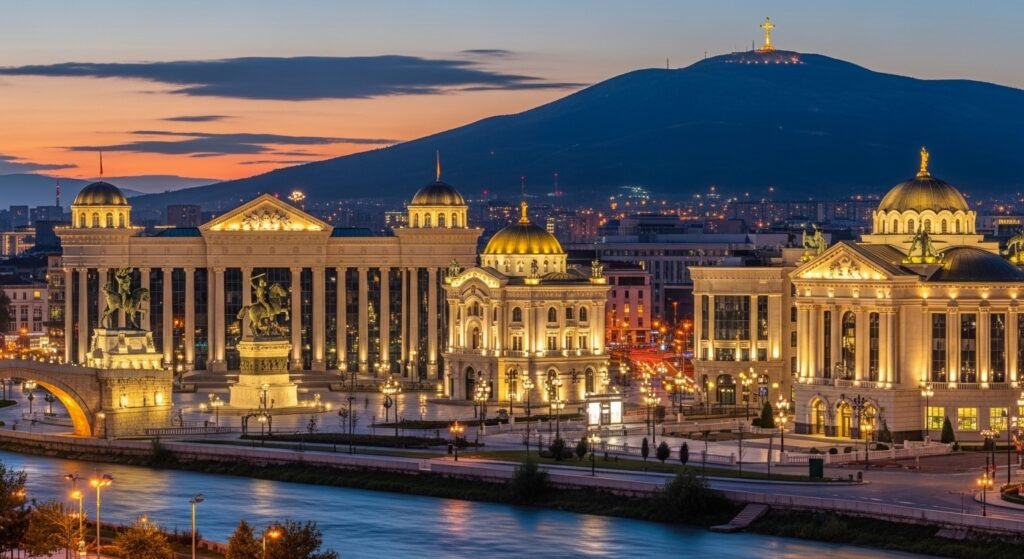
It appears that Skopje is a hybrid of bold monuments and mountain scenery. Its changing urban landscape can give rise to an interest in how places transform themselves. It may provide some startling and thought-provoking moments, depending on whether the traveler likes contrasts or not.
