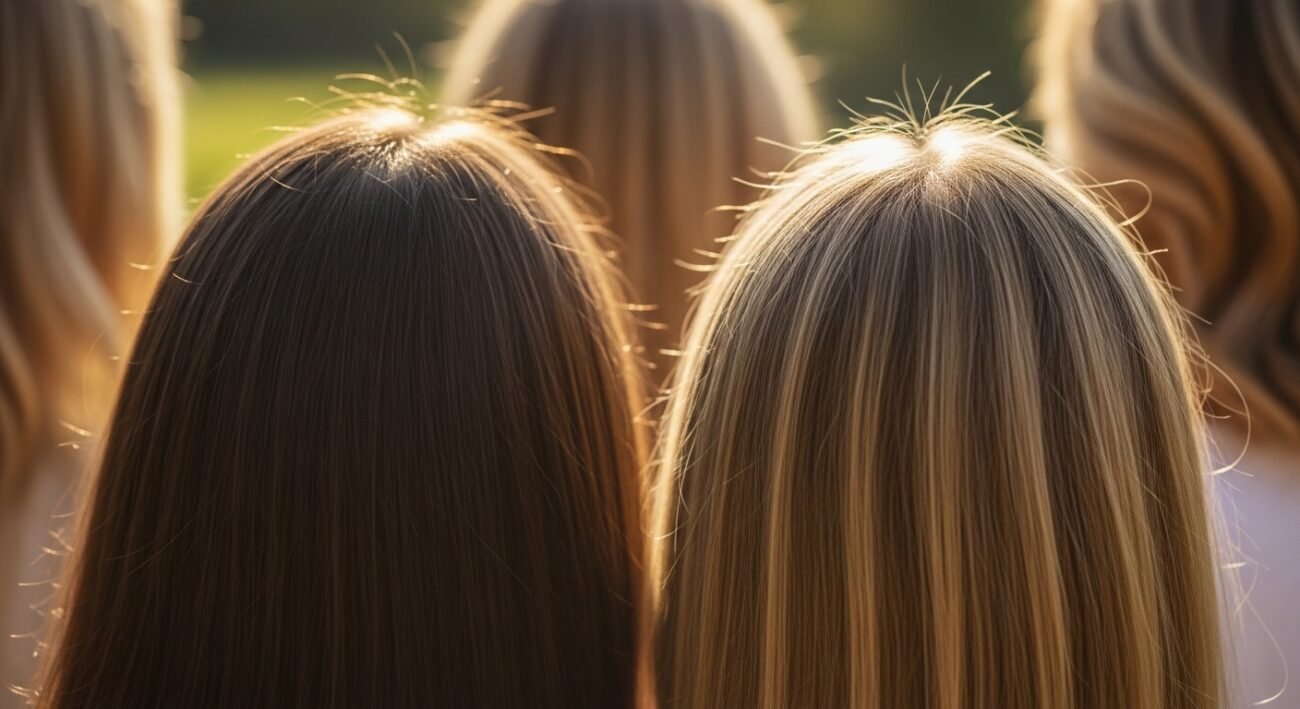
Hair changes gradually over time. Texture shifts. Volume may reduce. Shine can fade. These changes are natural, yet they can feel unsettling. The good news is that healthy hair is possible with consistent care and thoughtful choices. Small habits make a visible difference. The focus should be nourishment, protection, and patience. Harsh routines often cause more harm than benefit. Gentle maintenance builds lasting strength. Lifestyle also plays a major role in how hair looks and feels. With balanced nutrition, mindful styling, and proper scalp care, you can maintain softness, resilience, and fullness without complicated steps or unrealistic promises.
Nourish From Within
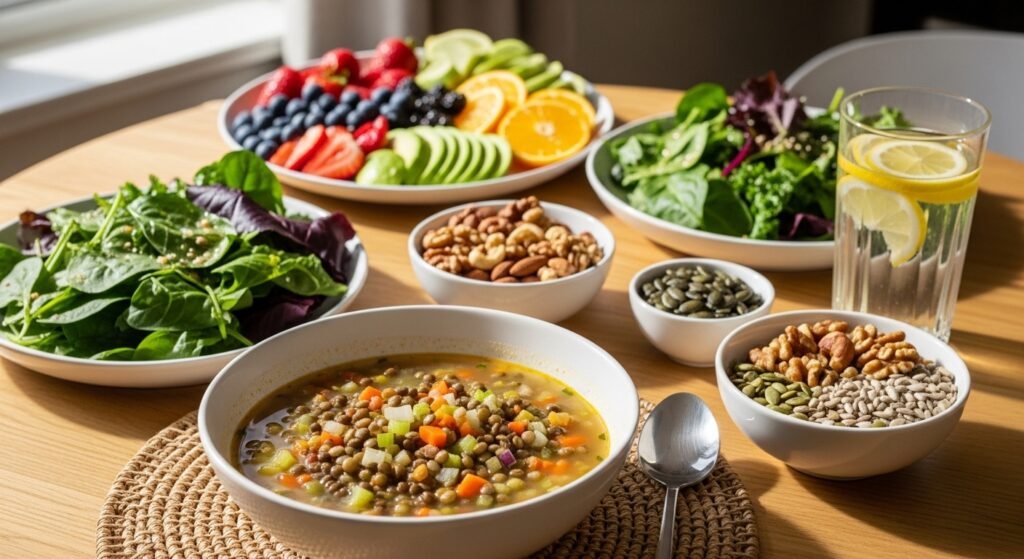
Healthy hair begins with balanced meals rich in protein, iron, and vitamins. Include lentils, leafy greens, nuts, and seasonal fruits. Hydration matters as well. Drink adequate water daily. Inner nourishment supports stronger roots and steady growth.
Prioritize Scalp Health
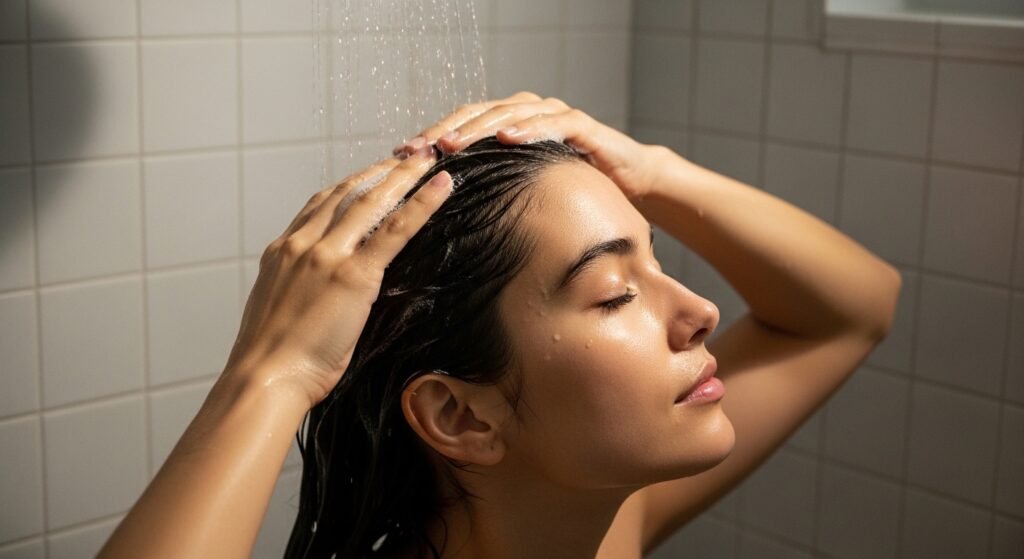
A clean, balanced scalp creates the right environment for growth. Wash regularly with a mild shampoo suited to your hair type. Avoid aggressive scrubbing. Gentle massage improves circulation and supports healthier follicles over time.
Choose Gentle Cleansing Products
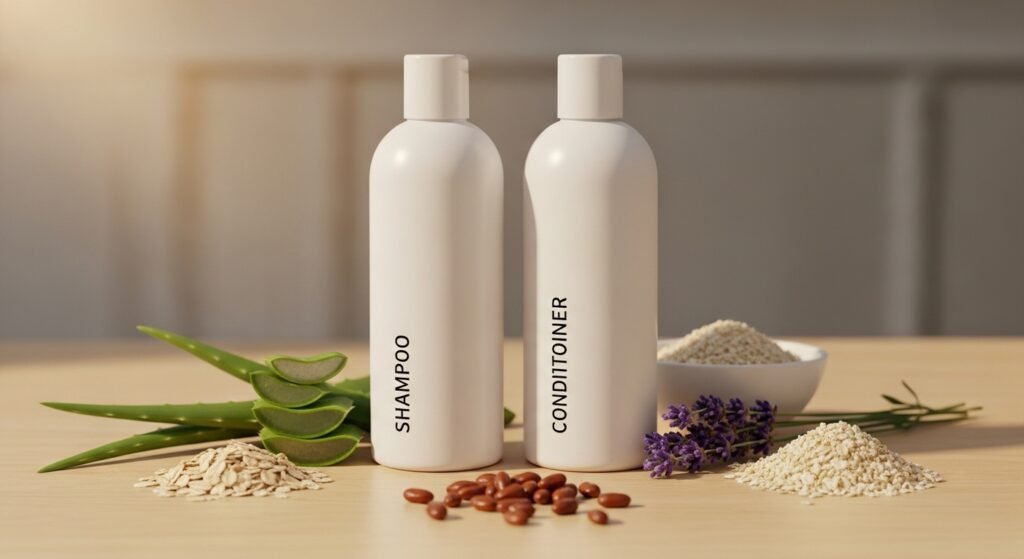
Harsh formulas strip natural oils and weaken strands. Look for sulfate-free or mild cleansers. Conditioning after every wash restores softness and reduces breakage. Simpler ingredient lists often work better for long-term care.
Limit Heat Styling
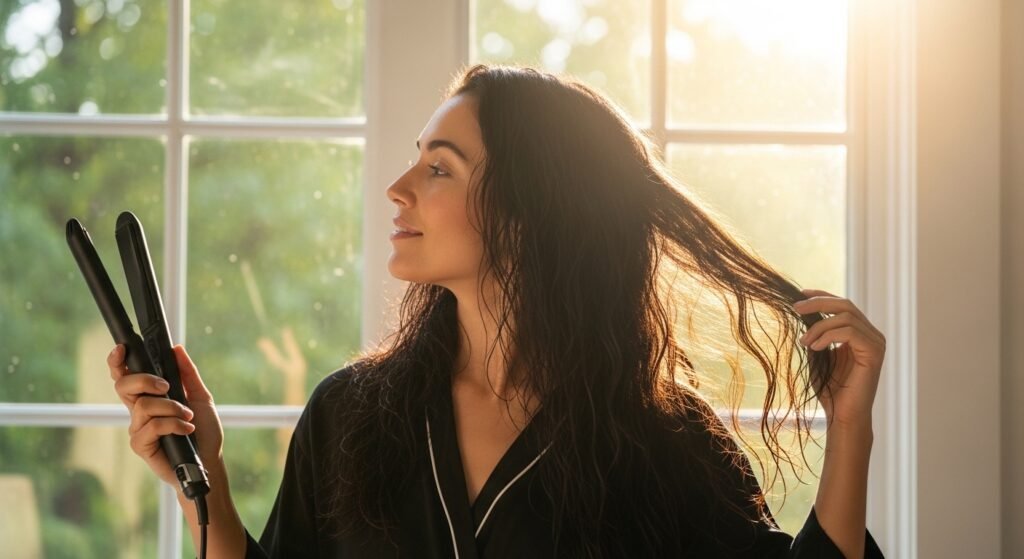
Frequent heat styling dries strands and reduces elasticity. Allow hair to air-dry whenever possible. When using tools, apply a protective serum first. Lower temperature settings reduce long-term damage and preserve natural texture.
Trim Regularly
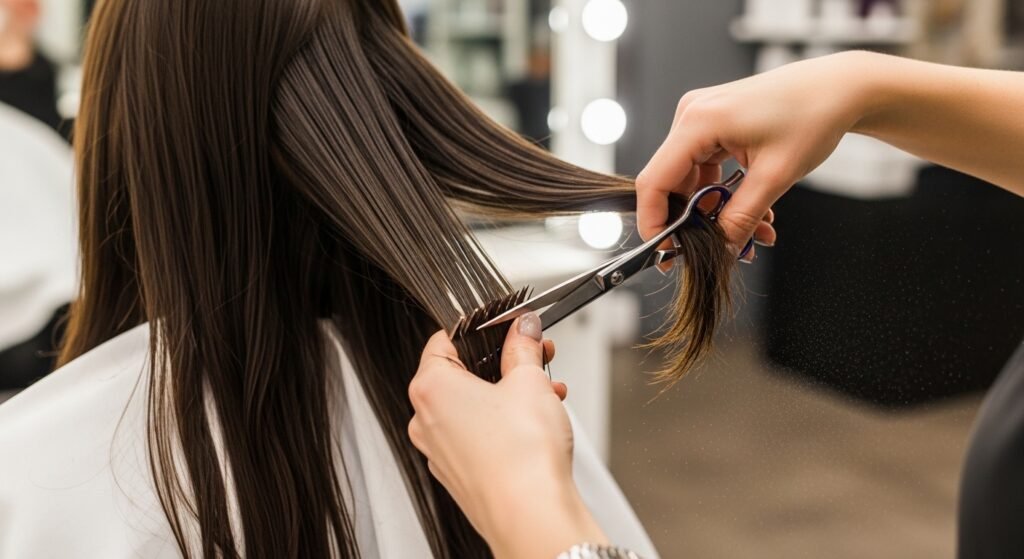
Split ends travel upward if ignored. Schedule regular trims every few weeks. Even a small cut keeps hair looking fuller and neater. Consistent maintenance prevents thinning at the ends and improves overall appearance.
Protect From Sun Exposure

Excessive sun exposure can weaken strands and fade color. Wear a scarf or hat when outdoors for long hours. Lightweight leave-in conditioners also create a protective barrier against dryness and environmental stress.
Avoid Tight Hairstyles
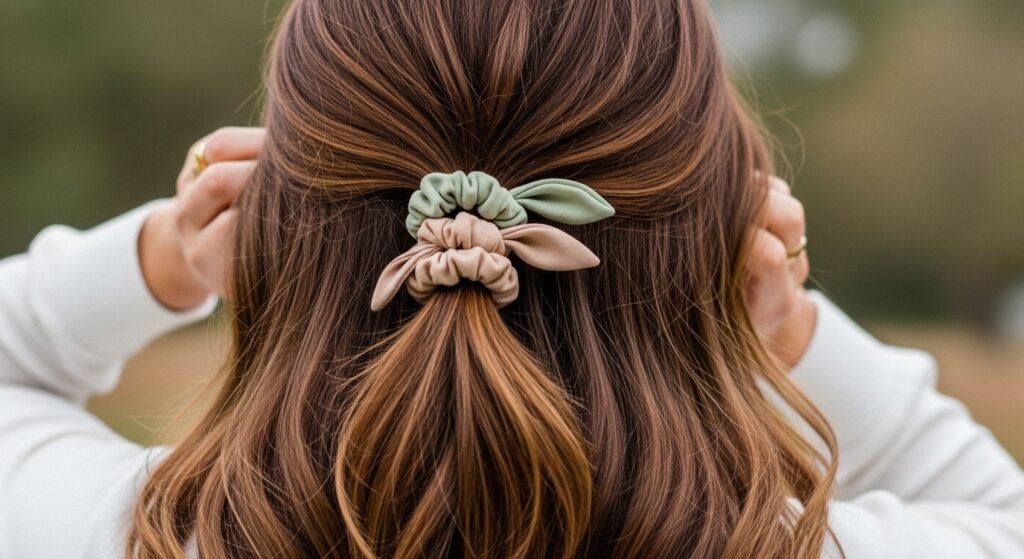
Tightly pulled ponytails or braids strain the roots. Over time, tension may lead to breakage. Opt for loose styles that allow natural movement. Soft hair ties reduce friction and prevent unnecessary pulling.
Support With Gentle Oils
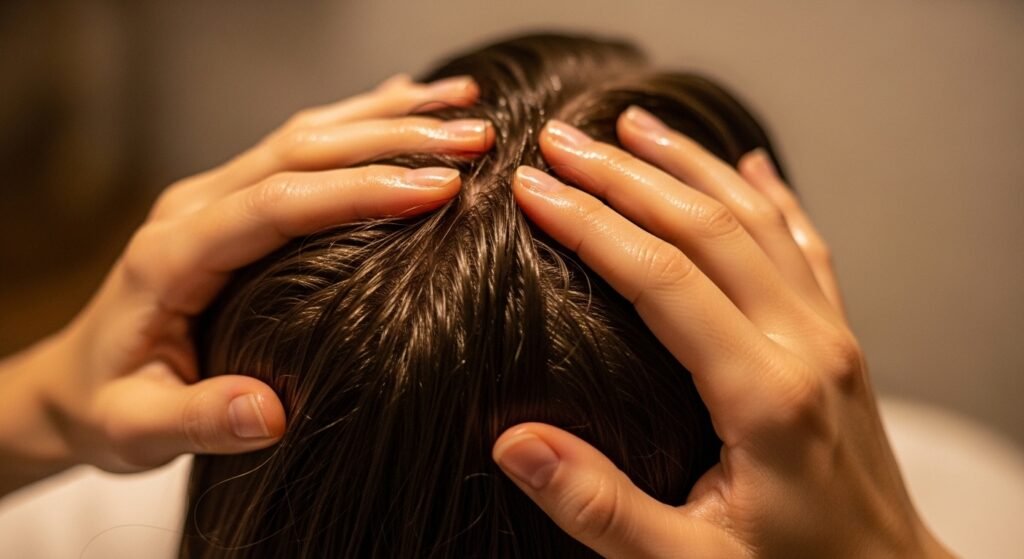
Light oil massages nourish the scalp and add shine. Coconut, almond, or argan oil can improve softness when used sparingly. Apply before washing and rinse thoroughly. Regular oiling supports flexibility and smooth texture.
Manage Stress Levels

Emotional stress often reflects in hair health. Practice calming habits such as walking, stretching, or quiet reading. Quality sleep allows the body to repair itself. Balanced routines contribute to steadier hair growth cycles.
Avoid Over-Processing
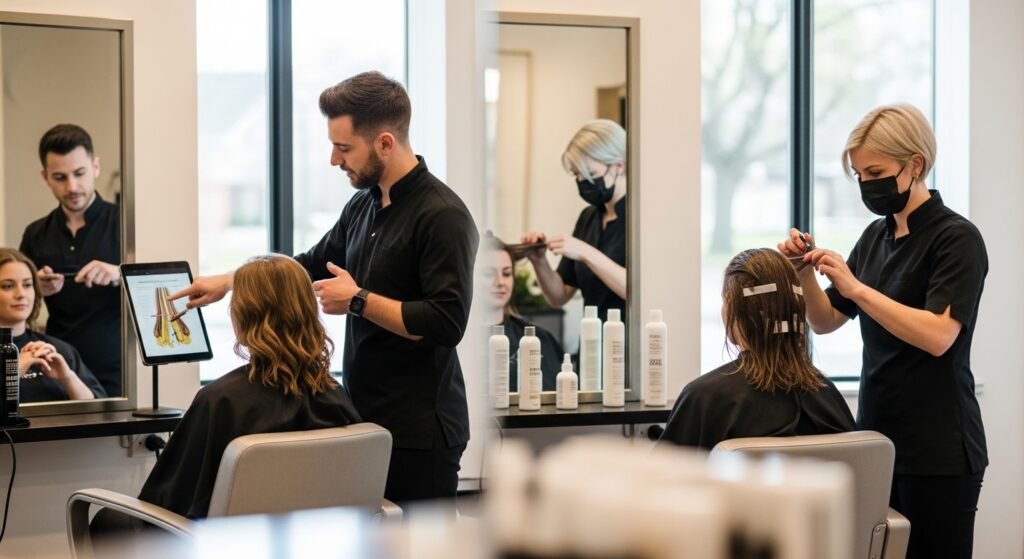
Frequent coloring, chemical treatments, or rebonding can weaken hair structure. Space out salon procedures. Consult trained professionals before major treatments. Allow hair time to recover between processes for better resilience.
Use the Right Hair Tools
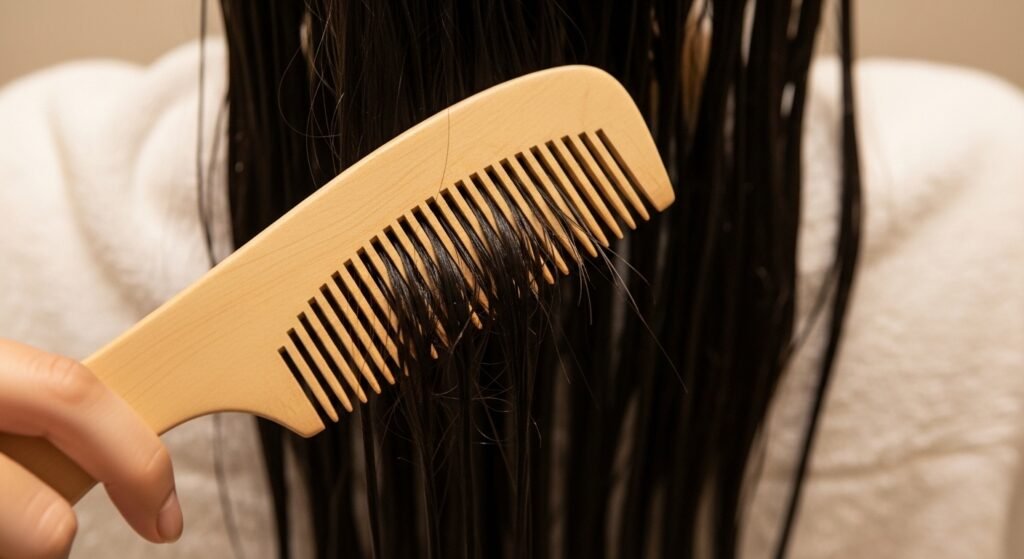
Choose wide-tooth combs for detangling wet hair. Start from the ends and work upward slowly. Microfiber towels reduce friction while drying. Small tool upgrades can significantly reduce daily breakage.
