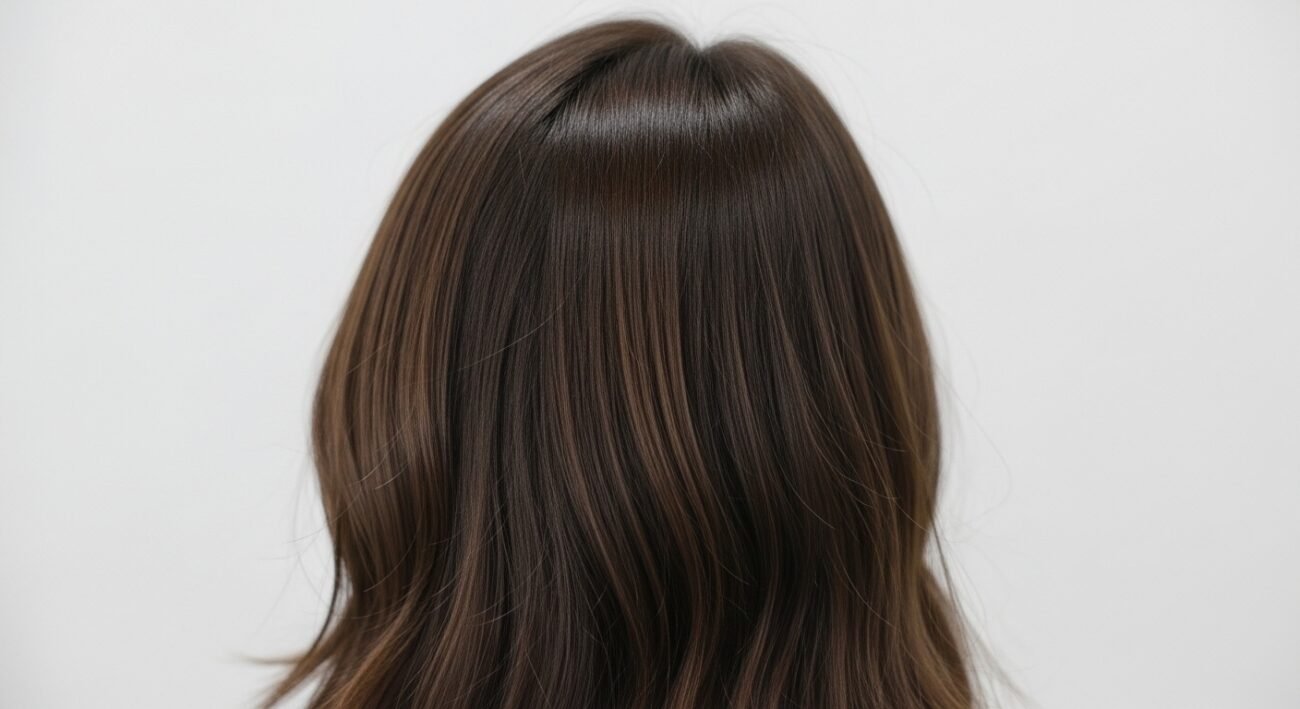
Quick fixes can hardly be applied to produce healthy hair. It is created by constant habits that safeguard the texture, tend to enhance the comfort of the head, and minimise everyday use. Shine and strength can be gradually destroyed by hectic lifestyles, fluctuating weather, and hair styling. Being moderate allows one to be in control without straining. The appropriate selection of products, the proper treatment of strands, and changing care according to the needs of the lifestyle can be noticeable. Consistency is the most effective attribute of hair. The slightest additions in the process of washing, drying, and styling bring gradual improvement. Hair could be maintained in a more patient and considerate manner, after which keeping it smooth, strong and naturally lively all year round becomes easier.
Morning Moisture Boost
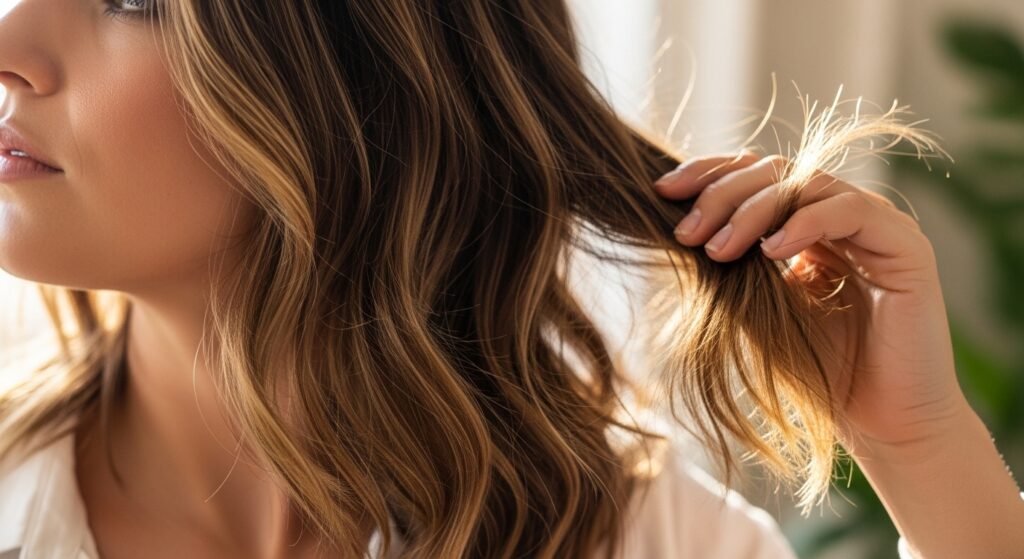
Dry ends may cause the hair to look dull. The use of just a little bit of lightweight serum in the morning gives smoothness to the texture. Get the tips over the roots to retain natural volume and movement.
Choose the Right Brush
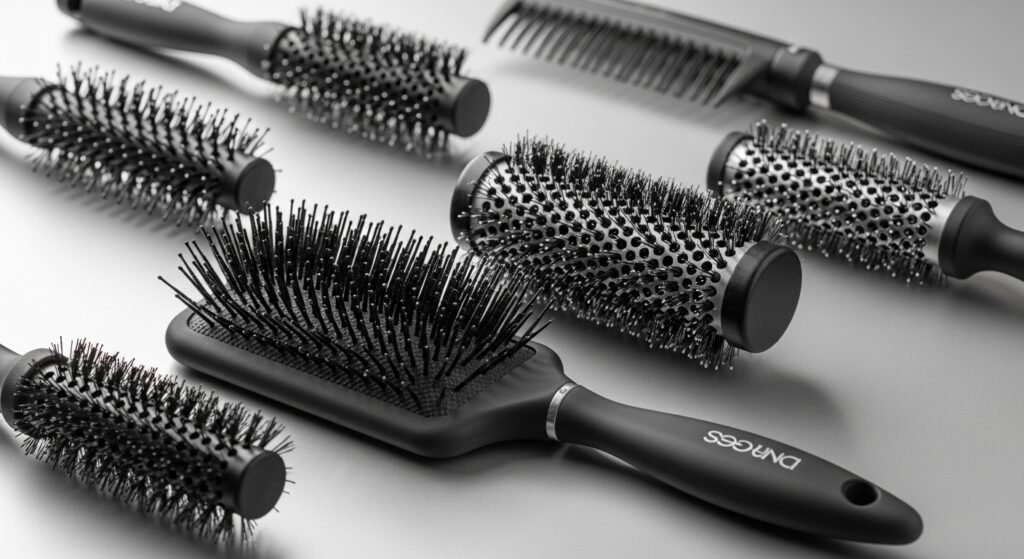
Brushes are used to serve various purposes. Paddle brushes are used in straight styles, whereas round brushes are used to add shape. A proper tool will avoid over-pulling and help get a more comfortable result in styling.
Wash Timing Matters

At night, it is recommended to wash hair as it would naturally dry at night and be styled in the morning. This reduces heat exposure. It is advisable to make sure that most of the strands are dry before going to sleep, otherwise they might flatten and/or cause inconvenience on the scalp.
Root Lift Technique
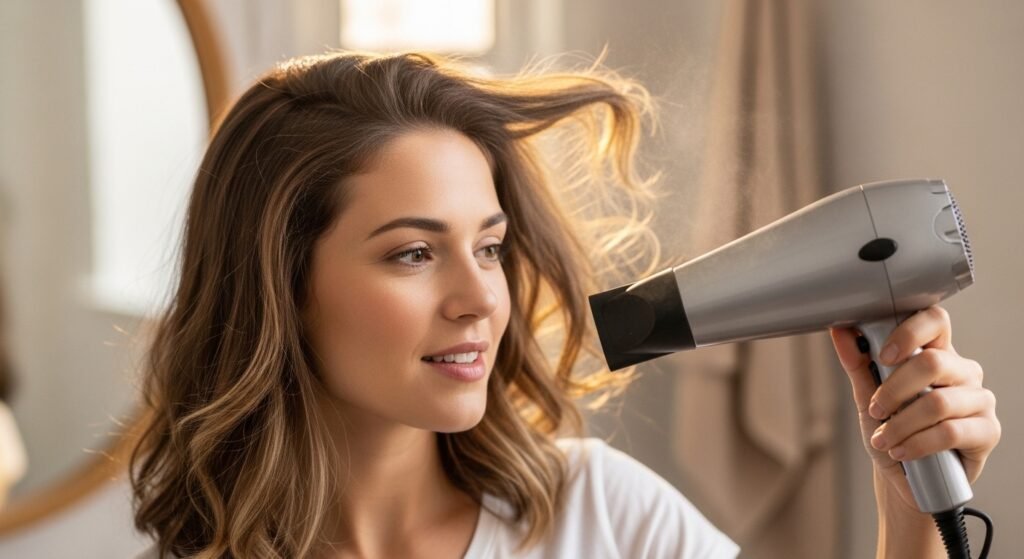
To give it extra richness, part hair at the top, and dry it. Breathe directly out onto the roots. This is such a basic way of adding body without the use of thick styling products.
Lightweight Layering Products
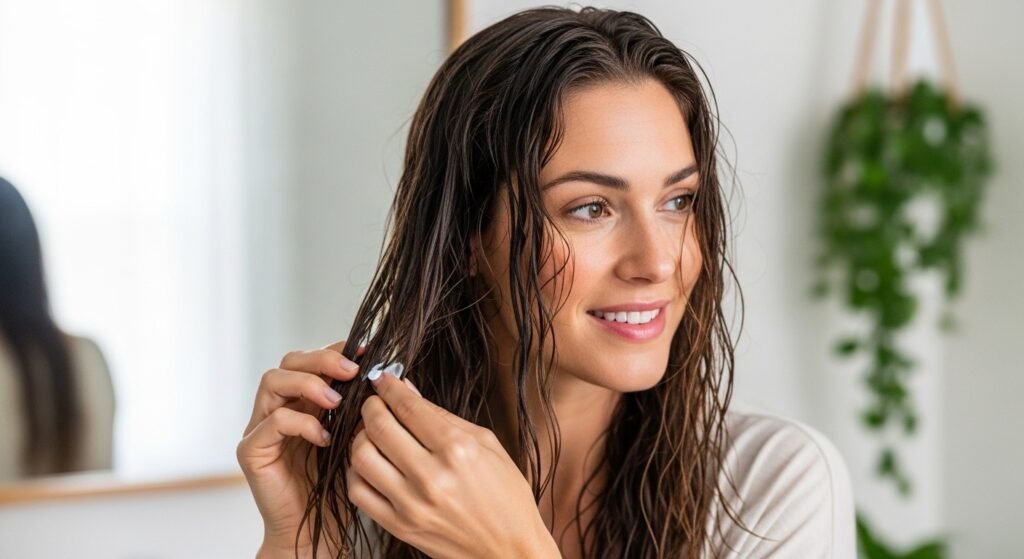
Too much thickness of creams will drag hair. Instead, lighten up formulas with layers. With leave-in conditioner, add a little bit of styling cream only to control it where it is necessary.
Regular Scalp Check
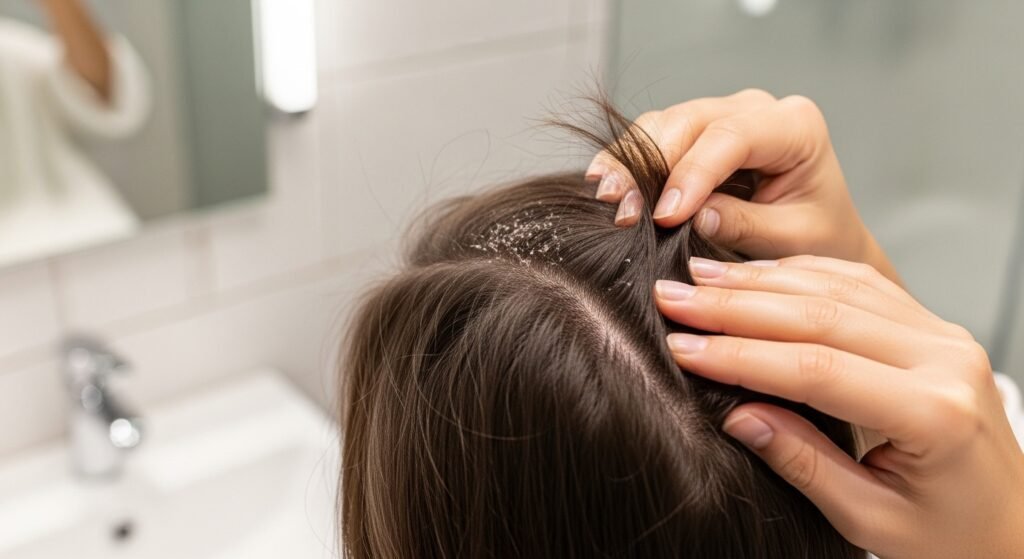
Periodically check the head of the scalp and see whether it is dry or oily. Tune the frequency of cleansing according to what you see. Ideally, the scalp shouldn’t look super unhealthy in the future.
Protective Weather Styling

Hair can be tangled within a short time by the wind. We wear loose buns, or put our hair low and slightly braided to reduce friction as we go out. It causes the hair shafts to lie flat and helps prevent them from breaking when moved too much.
Controlled Heat Frequency
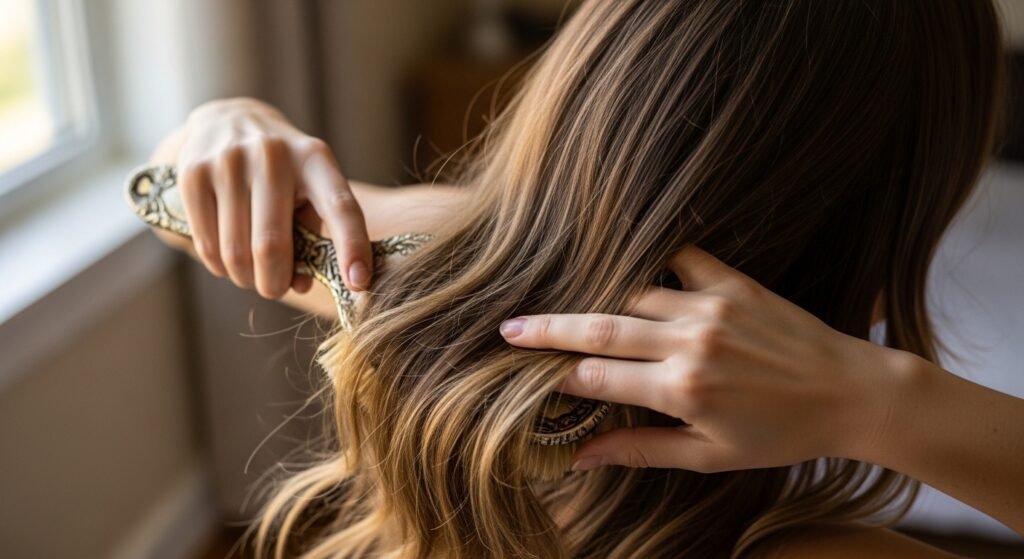
Restricting hot tools to special occasions provides hair with time to heal. Heat styling- sessions should be short. This has lowered cumulative stress and retained natural strength.
