
Hair washing seems simple, yet many people remain unsure about how often it should be done. Dermatologists explain that there is no single rule that suits everyone. Hair type, scalp condition, lifestyle, and environmental factors all play a role in determining the right schedule. Washing too frequently may remove natural oils that protect the scalp, while waiting too long can allow oil, sweat, and product buildup to accumulate. Finding the correct balance helps maintain healthy hair and a comfortable scalp. Understanding these factors can guide better decisions about hair care routines and help people maintain clean, manageable, and naturally healthy hair every day.
Understanding Your Scalp Type
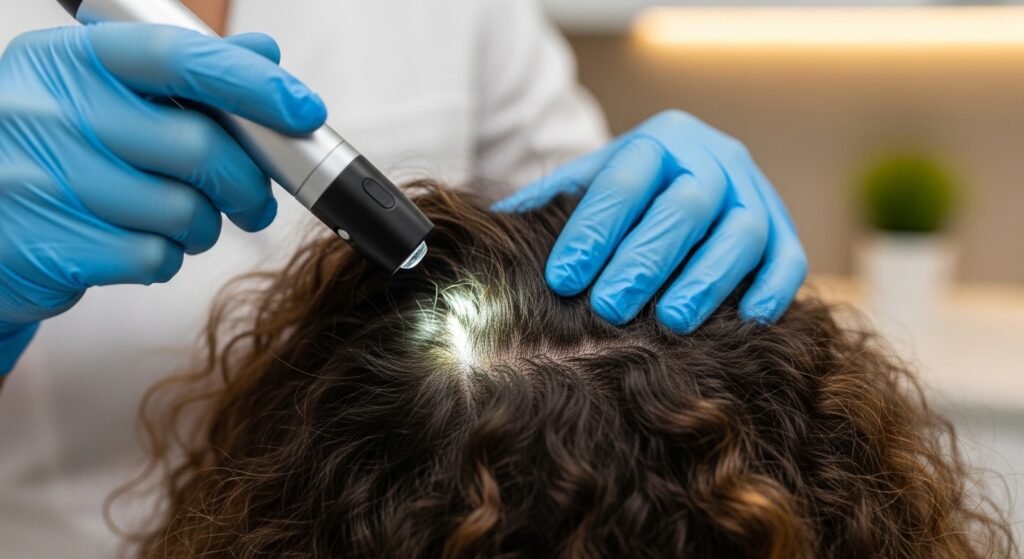
Dermatologists often begin with scalp type when recommending a washing routine. Oily scalps may require washing more frequently, while dry scalps benefit from fewer washes. Observing how quickly oil appears on the scalp can help determine the ideal schedule.
Hair Texture Matters

Hair texture influences how often cleansing is needed. Straight hair allows oil to travel quickly from scalp to ends. Curly or coiled hair holds moisture longer. Because of this difference, people with curls may wash less often.
Lifestyle and Daily Activity

Daily routines also affect washing frequency. Regular exercise, outdoor work, or humid climates can lead to sweat and buildup on the scalp. In such cases, dermatologists suggest washing more often to maintain scalp comfort and cleanliness.
The Role of Natural Oils
Natural scalp oils protect hair and support its strength. Washing too frequently may strip these oils away. Dermatologists recommend allowing some time between washes so the scalp can maintain its natural protective balance.
Product Buildup on the Scalp
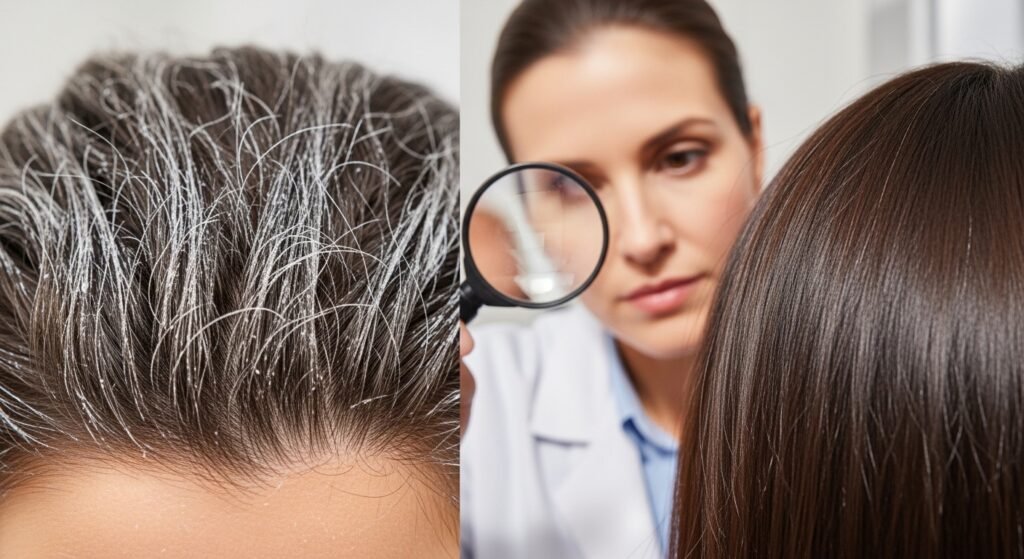
Hair styling products can leave residue over time. This buildup may make hair appear dull or heavy. Dermatologists recommend regular cleansing to remove product layers and keep the scalp feeling fresh and balanced.
Seasonal Changes Affect Hair Care

Hair care needs may change with the seasons. Warm weather increases sweat and oil production, which may require more frequent washing. Cooler months often bring dryness, encouraging a slightly reduced washing routine for comfort.
Signs Your Hair Needs Washing
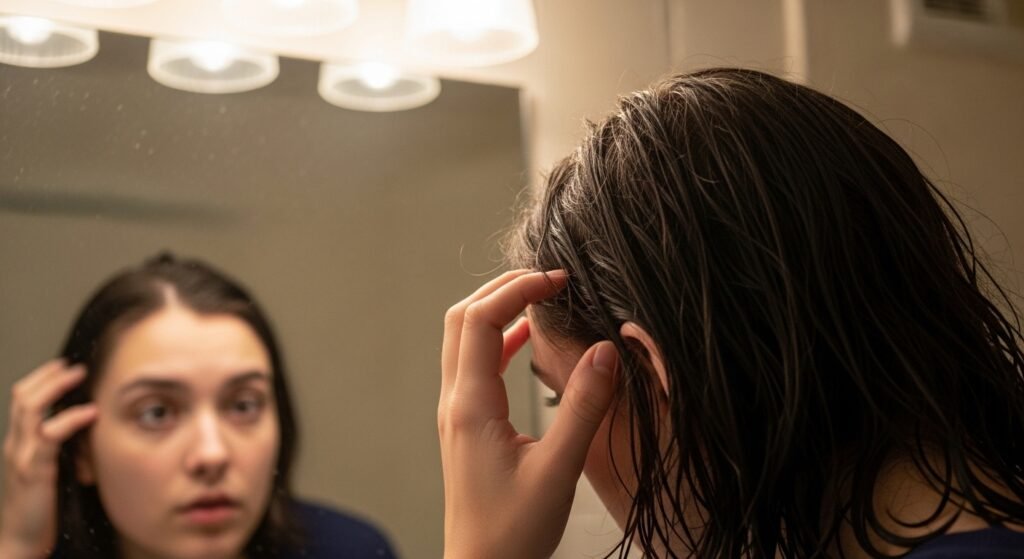
The scalp often signals when cleansing is needed. Greasy roots, flat hair, and an itchy scalp can indicate oil or product buildup. Paying attention to these signs helps maintain a balanced and healthy routine.
Gentle Cleansing Practices

Dermatologists emphasize the importance of gentle washing. Using a mild shampoo and avoiding overly hot water helps protect the scalp barrier. Gentle cleansing also prevents unnecessary dryness and keeps hair feeling comfortable.
Adjusting Frequency Over Time

Hair needs can change with age, environment, and lifestyle. Dermatologists suggest reviewing washing habits periodically. Small frequency adjustments can improve scalp comfort and help maintain hair’s natural appearance.
Listening to Professional Advice

Persistent scalp irritation, dryness, or excessive oiliness may require professional guidance. Dermatologists can assess scalp health and recommend a personalized routine. Their advice helps people manage hair care concerns more effectively.
Building a Consistent Routine

Consistency plays an important role in hair care. Once an appropriate washing schedule is identified, maintaining that routine supports scalp health. Balanced care encourages hair to look clean, manageable, and naturally healthy over time.
