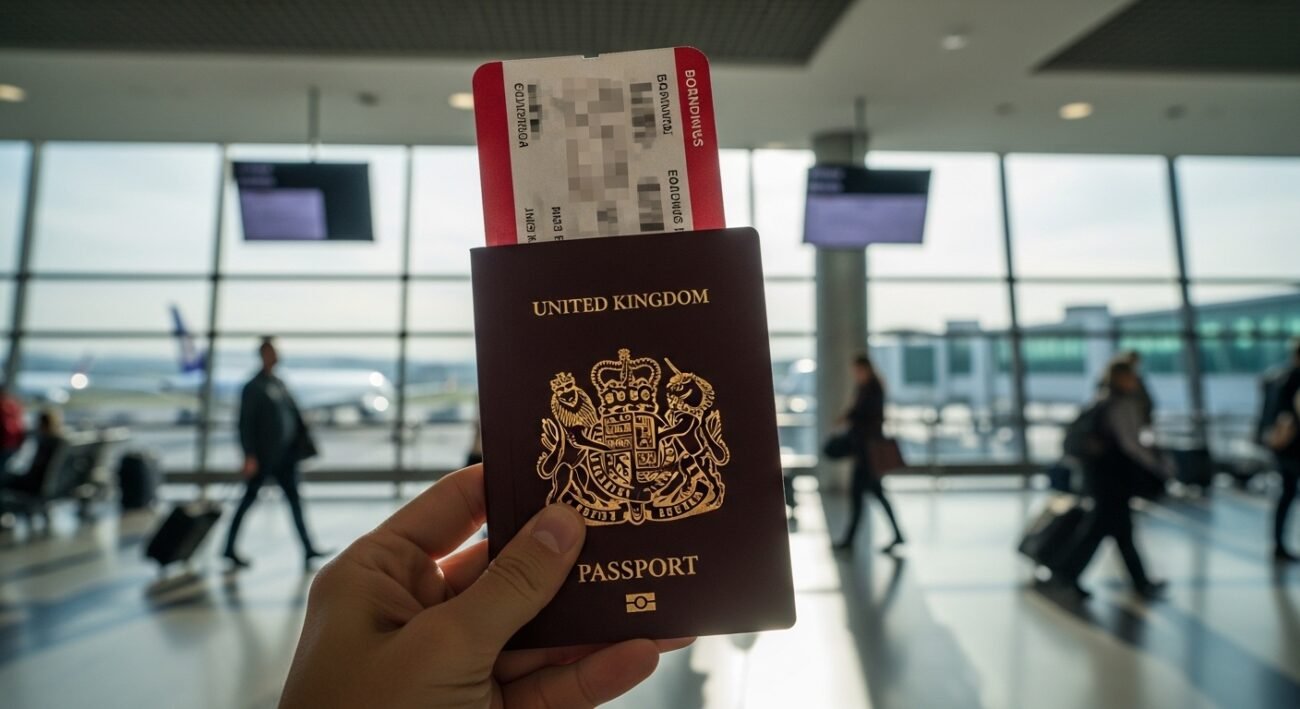
EU tours no longer work since the United Kingdom exited the European Union. It is a fact that many British travellers are hesitating before making an entry into flight bookings since they are unsure whether the entry regulations have been amended regarding the fact that their passport may still be used. The solution is not that easy. Even though visa-free short stays can still be done when visiting the country on tourism and business purposes, rules governing passport validity are now stricter than ever before. The officers at the border are attentively watching the issue dates and expiry dates. Even a reputation-looking passport needs not suit the new conditions. Knowledge of the existing needs would curb stress at the airports, flight delays, and disrupted traveling.
The 10-Year Rule
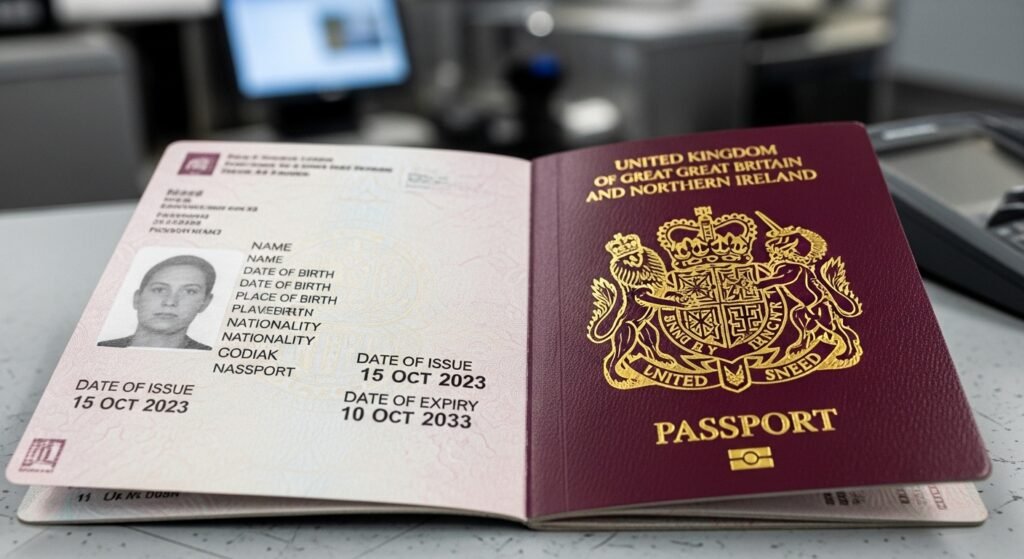
On the day that you come into an EU country, your passport also has to be issued within the past ten years. Months that have been added to older passports will no longer be valid in terms of entry into the EU, according to the existing guidelines.
The Six-Month Validity Check

Visitors also believe that they need a six-month validity period. In case of EU travels, you would need at least three months of unused space on your passport upon your intended day of leaving the country you are visiting.
The 90/180-Day Limit

British citizens are allowed to remain in the Schengen Area a maximum of 90 days in any 180 days. This rule is followed in participating countries rather than per destination and so cumulative days are computed with great care.
Countries Inside the Schengen Area

France, Spain and Italy are among the most EU states that abide by Schengen border regulations. Ireland however, does not work the same way. It is always a good practice to ensure that the destination you are planning to visit uses the Schengen entry standards when heading there.
Business Travel Considerations

The 90-day rule normally permits short business trips. Nevertheless, in cases of paid employment or assignments that are long-term, a visa or work permit must be obtained by the particular EU member state.
Passport Condition Matters
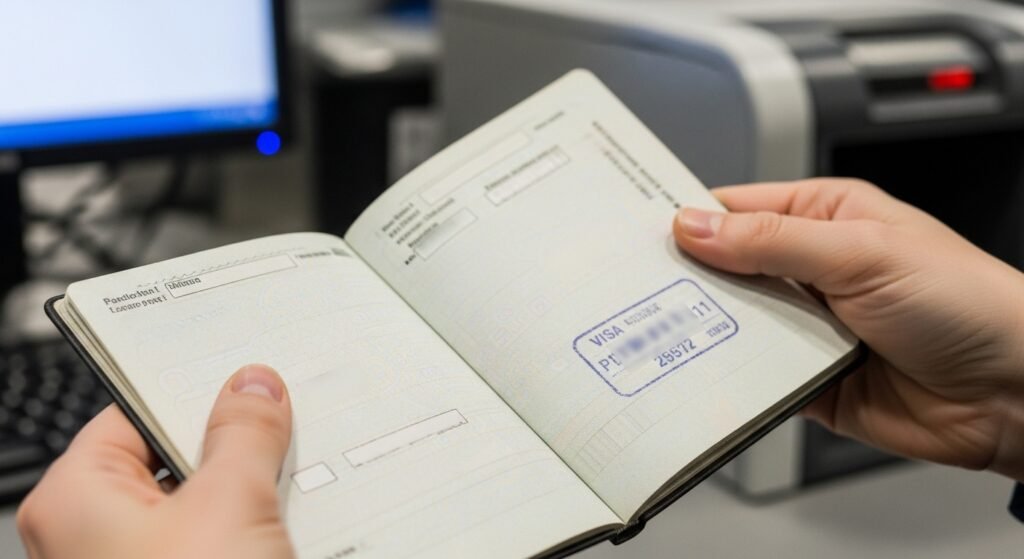
Your damaged passport may not allow you entry by the border officials. Delays can be brought about by torn pages, water stains, or lost covers. A passport should be in good physical shape in order to be accepted.
Children’s Passport Rules

The passports of children have a validity of five years. Entry regulations are the same in terms of issue dates and the period of remaining validity. Dates should be triple-checked by the parents long before traveling in a family is decided upon.
Entry and Exit Stamps
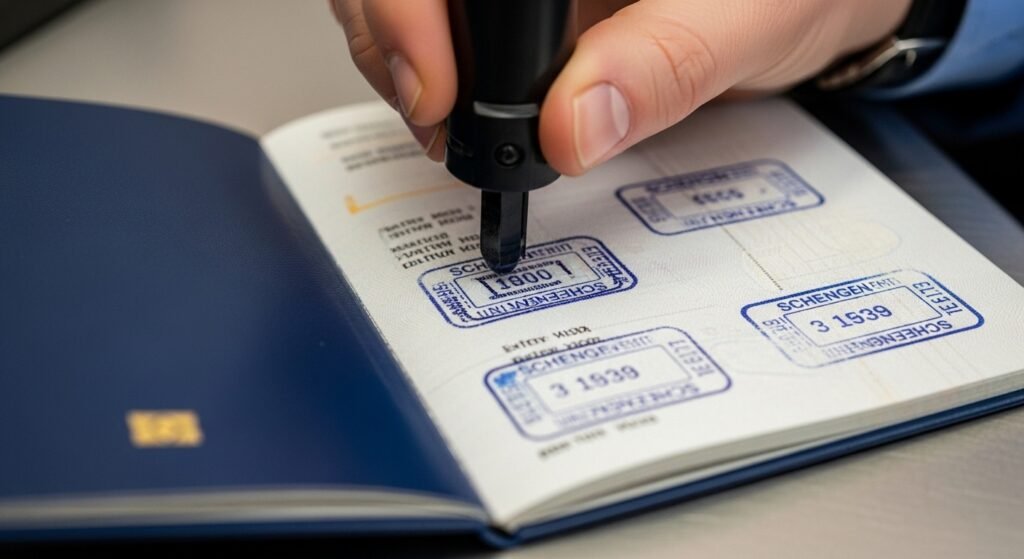
Post-Brexit, the UK passport has been marked in entering or leaving Schengen countries. These stamps assist in monitoring your 90-day limit, hence make sure that your issues are checked by the government officials on the borders.
Upcoming ETIAS System
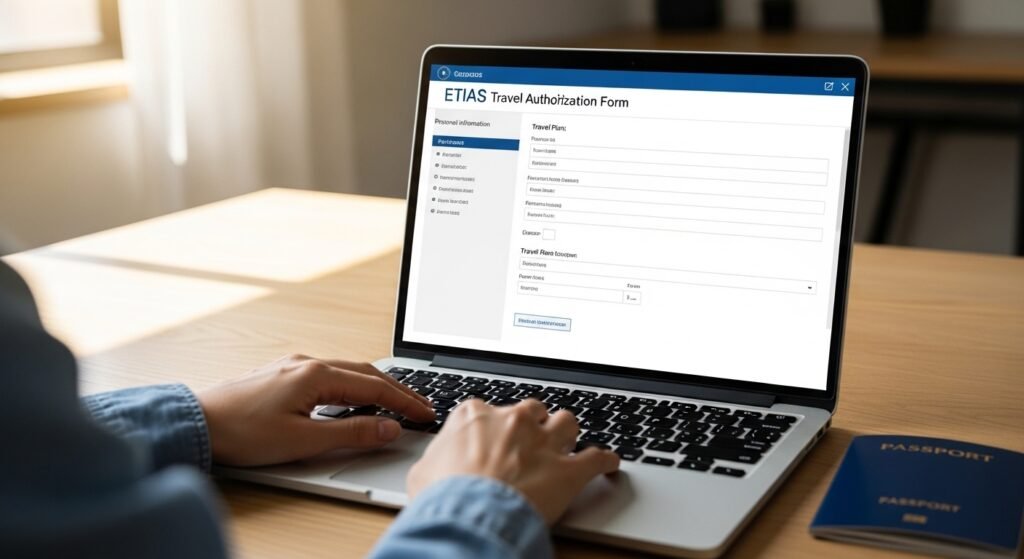
In the EU, it is intended to launch the European Travel Information and Authorisation System (ETIAS). Once operational, British travellers will simply apply online before travelling as is the case in other visa-free countries.
Healthcare and Insurance
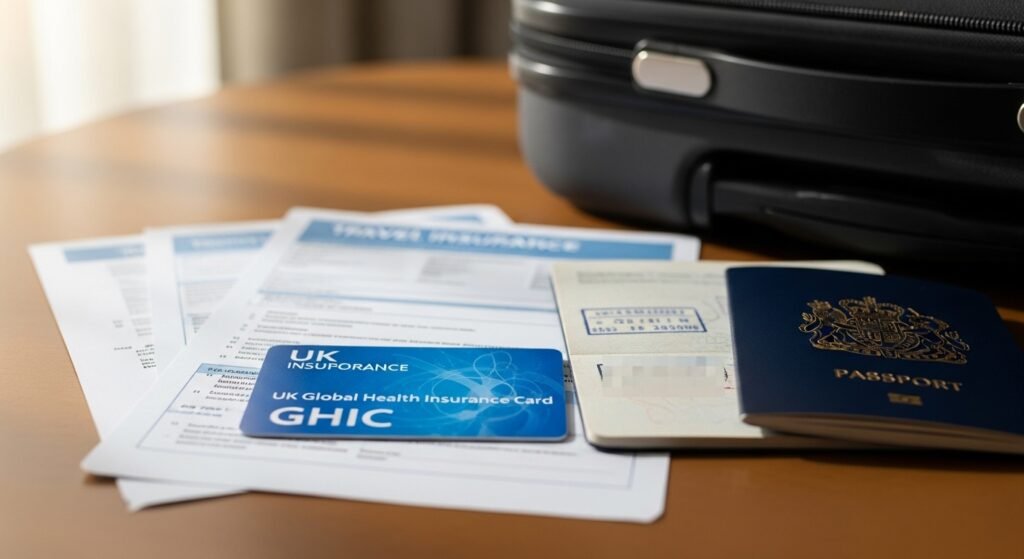
A valid passport is not an alternative to travel insurance. The UK Global Health Insurance Card does not provide extensive care; however, in terms of medical care and unforeseen inconveniences outside of the country, the broad travel insurance will be beneficial.
Renewal Timing Strategy

When you are about to reach the ten-year mark, it is advisable to renew your passport before traveling. Processing can be different, especially during the peak seasons, and early renewal allows eliminating the threat of last-minute complications.
