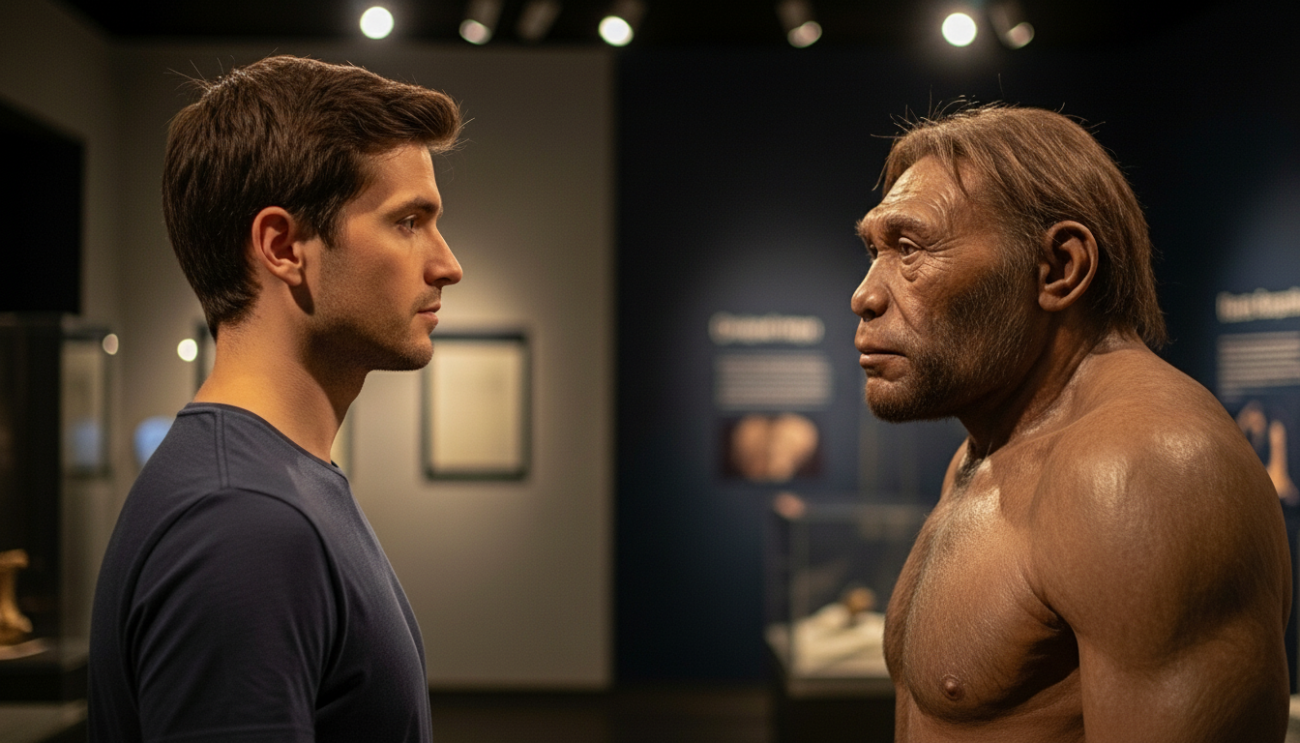
Human history lives quietly inside modern DNA. Thousands of years ago, early modern humans met and interbred with Neanderthals. Because of this ancient contact, many people today carry small traces of that ancestry. Scientists estimate that certain populations still hold a small percentage of Neanderthal genes. These genes sometimes influence physical traits that appear in subtle ways. A facial feature, body proportion, or bone structure may reflect that distant connection. None of these traits alone prove anything definite. Yet together they reveal how human evolution shaped the bodies we see today and remind us that our story is deeply shared.
Prominent Brow Ridge

A thick brow ridge above the eyes is one of the most recognized inherited traits linked to ancient humans. Some people today still have this solid bone line, giving the forehead a stronger, shadowed appearance.
Wide Nose Structure

Many researchers note that a wider nose may reflect ancient cold climate adaptation. A broad nasal passage helped warm and humidify air. Some modern faces still show this wider shape today in certain families worldwide.
Shorter, Stockier Build
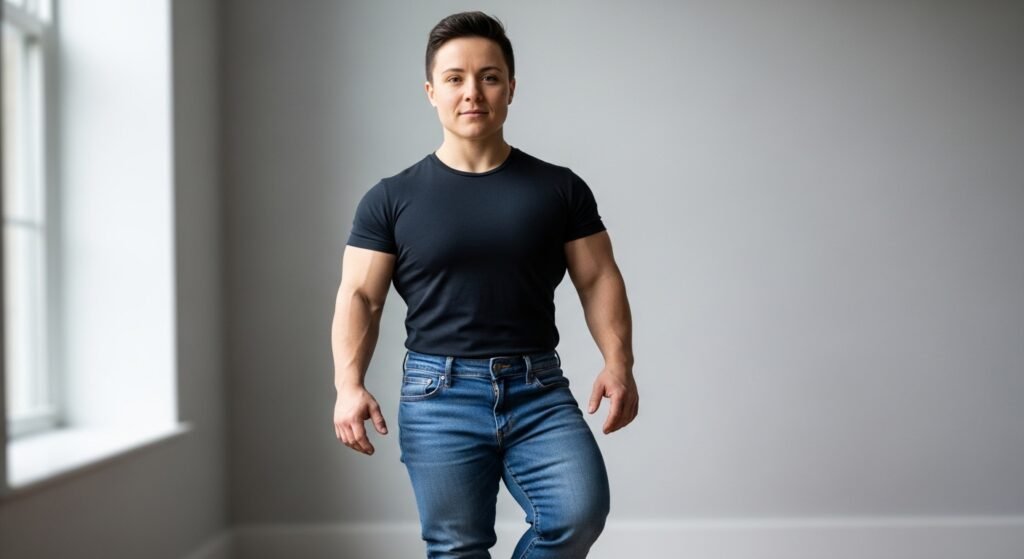
Shorter limbs and a compact body helped ancient populations conserve heat in harsh climates. Some people naturally have a sturdy frame with shorter arms or legs, echoing the efficient body proportions once common in prehistory.
Strong Hand Grip

People with thick finger bones and powerful grip strength may reflect ancient survival demands. Early humans relied on hands for tools, climbing, and hunting, leaving genetic traces that sometimes appear in modern hand structure today.
Large Shoulder Joints

Some individuals have broad shoulders and strong joint sockets that allow powerful arm movement. Researchers believe similar strength once helped hunters throw tools, carry loads, and climb across difficult landscapes leaving hints within human anatomy.
Elongated Skull Shape
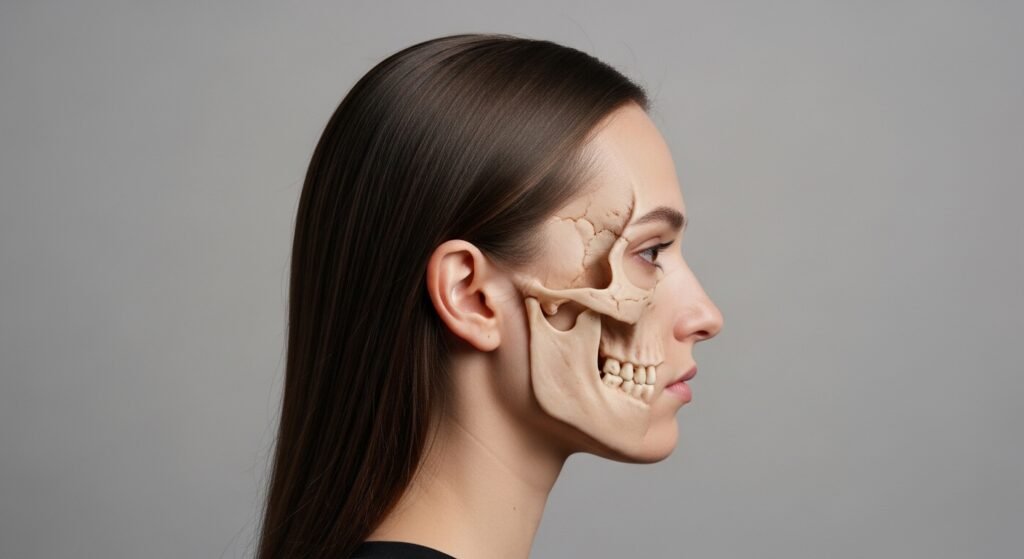
An elongated skull slightly longer from front to back sometimes appears in modern populations. This shape resembles ancient head structure and may reflect distant genetic mixing between early humans and regional groups across long history.
Strong Jawline

A wide jaw with thick bone and large molar space appears in some people today. Anthropologists connect this feature to earlier diets that required heavy chewing of tough plants and meat across long human history.
Thicker Rib Cage

A broader rib cage supported strong lungs and physical endurance in ancient climates. Some modern bodies show a similar chest depth, which can give the torso a sturdy and powerful appearance in certain people today.
Shorter Forearms

Shorter forearms relative to upper arms may reflect ancient cold weather adaptation. Compact limb proportions helped reduce heat loss. This body pattern occasionally appears today in otherwise typical modern body shapes across different populations worldwide.
Robust Bone Density
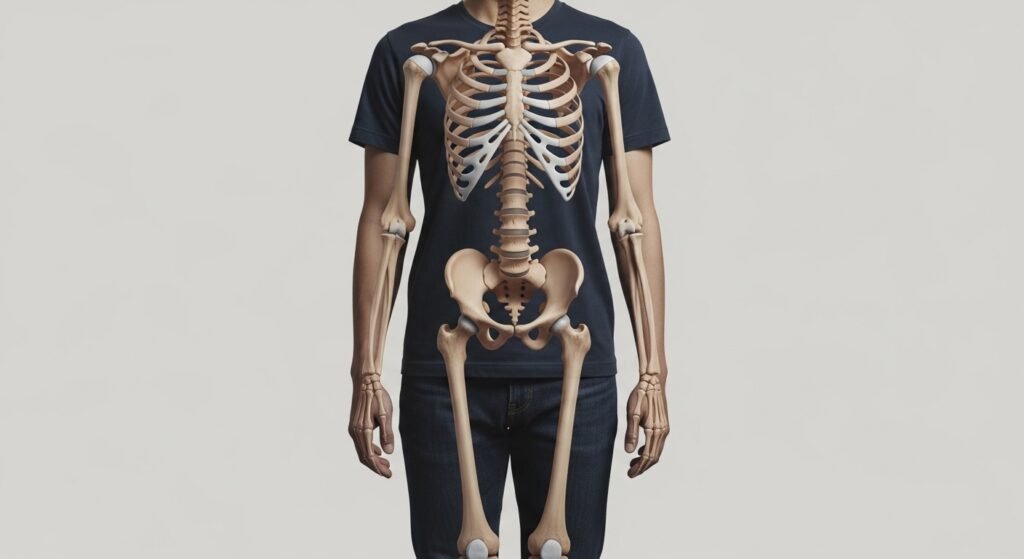
Some people naturally have thicker bones and higher density. This trait once helped ancient populations survive physically demanding lifestyles. Today it may simply appear as a solid skeletal build noticed during medical scans or exams.
