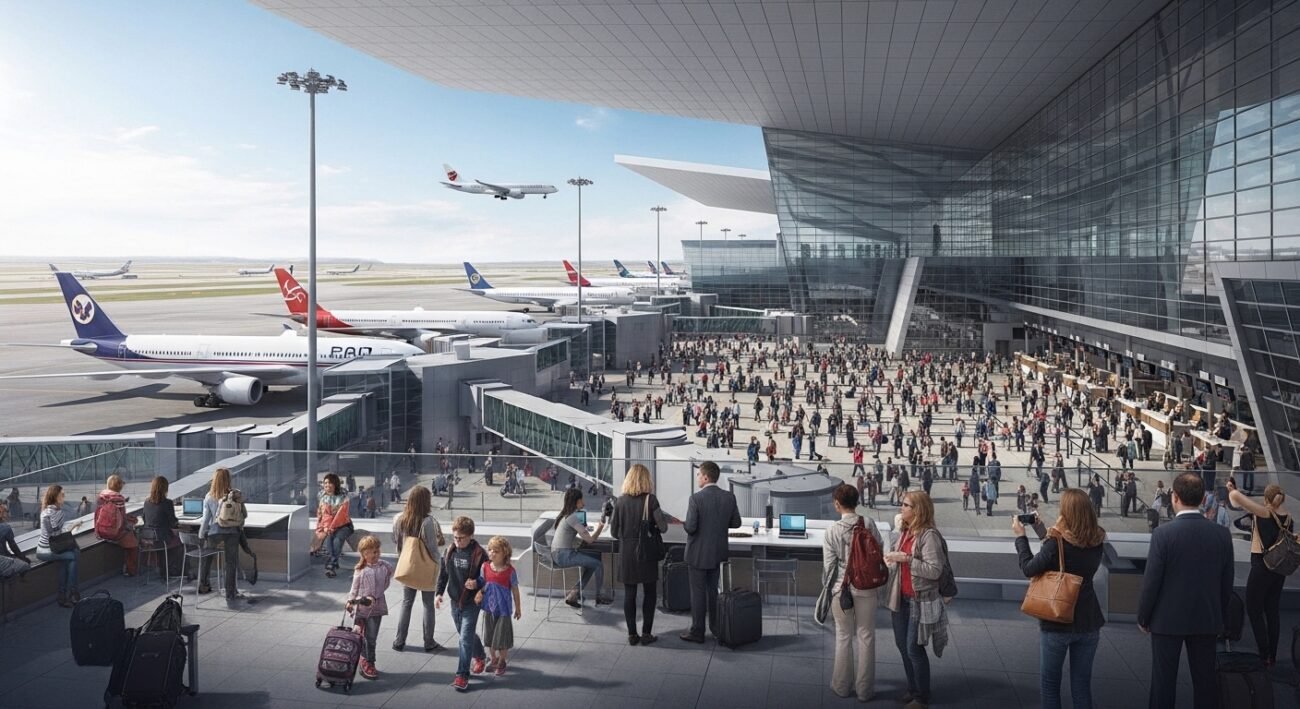
Transportation hubs in the United States have changed greatly over the past century. These places once focused mainly on trains, shipping docks, or early air travel. Over time, they evolved into large, modern centers that connect people, businesses, and cities. Many stations and airports were redesigned to meet growing travel demand and new technologies. Today, these hubs are more than transit points. They include shopping areas, public spaces, and advanced infrastructure. Their transformation reflects broader shifts in urban planning, engineering, and travel culture. Looking at how these hubs developed reveals an interesting story of innovation, adaptation, and the growing importance of efficient transportation networks.
Grand Central Terminal’s Enduring Legacy
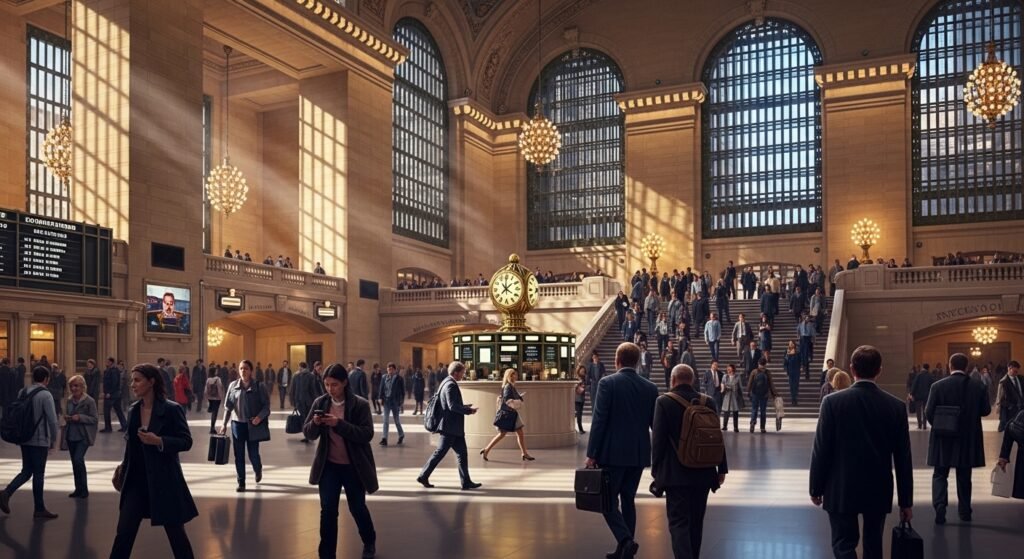
New York’s Grand Central Terminal began as a busy rail gateway in the early twentieth century. Over decades it underwent restoration and modernization. Today it blends historic architecture with modern transit services and remains a central travel landmark.
Union Station’s Revival
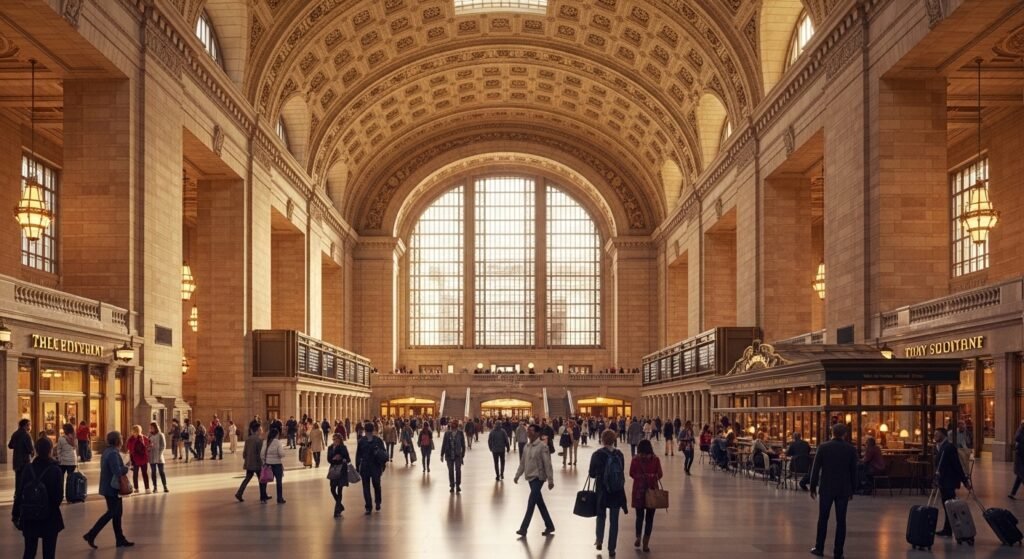
Washington D.C.’s Union Station once faced decline as rail travel slowed. Renovations in the late twentieth century restored the building and expanded services. The station now combines transportation, dining spaces, and cultural activity under one historic roof.
Chicago’s Rail Hub Evolution
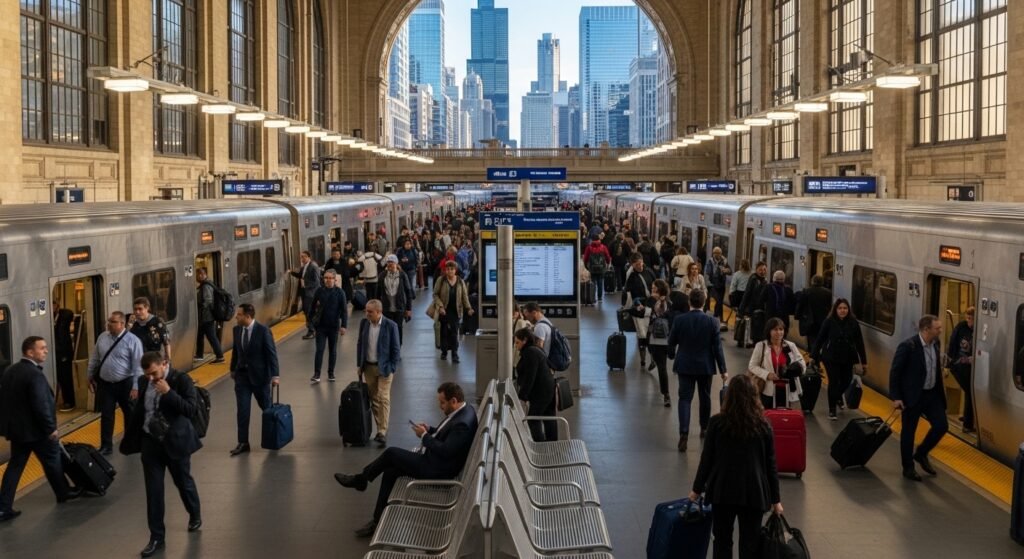
Chicago has long been a major rail crossroads. Union Station adapted over time to support commuter trains and regional services. Improvements in platforms, scheduling, and passenger facilities helped the station remain a critical Midwest transportation link.
Los Angeles Airport Expansion
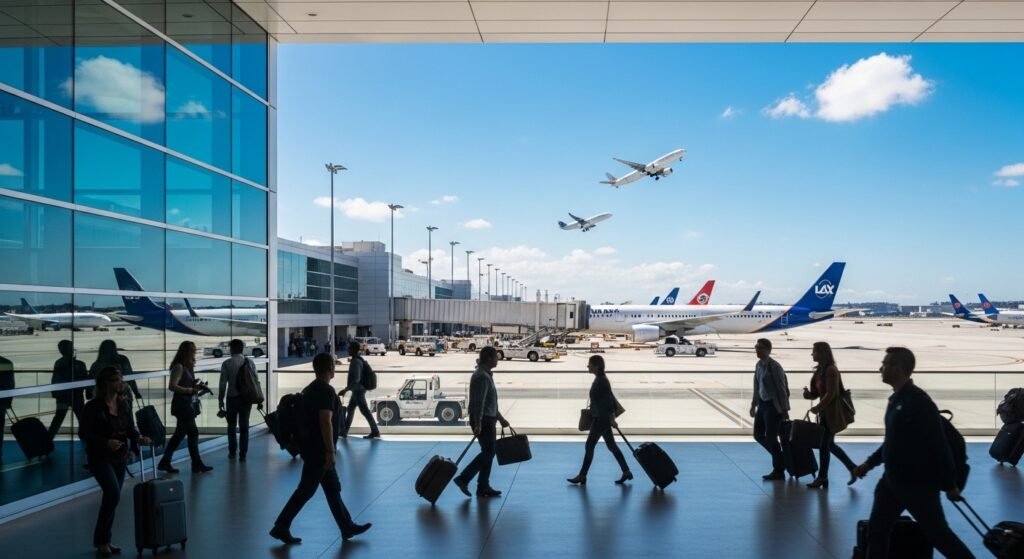
Los Angeles International Airport grew from a modest airfield into one of the nation’s busiest gateways. Continuous terminal upgrades, expanded runways, and improved passenger services reflect the rising importance of air travel across the country.
Denver’s Modern Transit Center
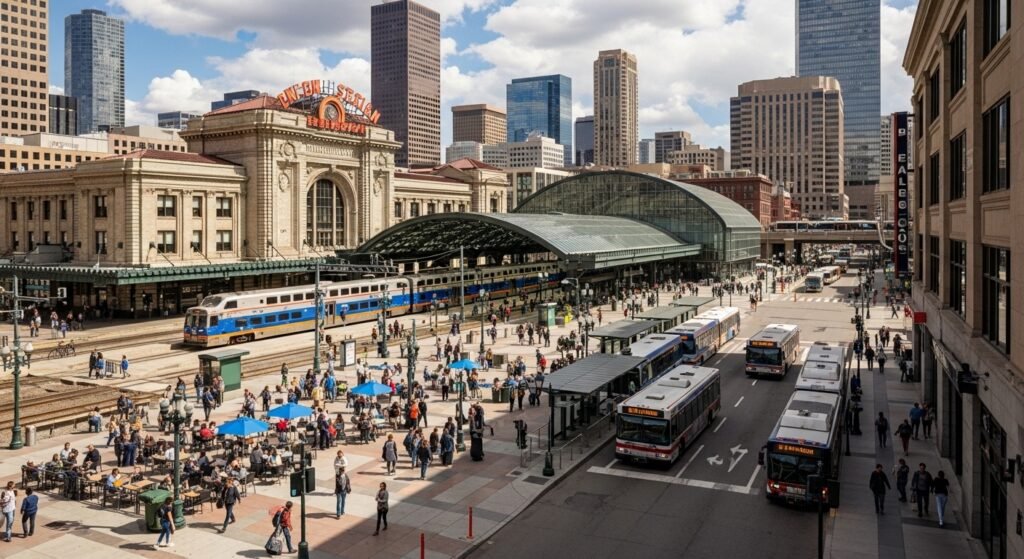
Denver Union Station transformed from a traditional rail depot into a multi-modal transportation center. Today it connects commuter trains, buses, and airport rail lines while offering restaurants, shops, and gathering spaces for travelers and residents.
San Francisco’s Transit Renewal
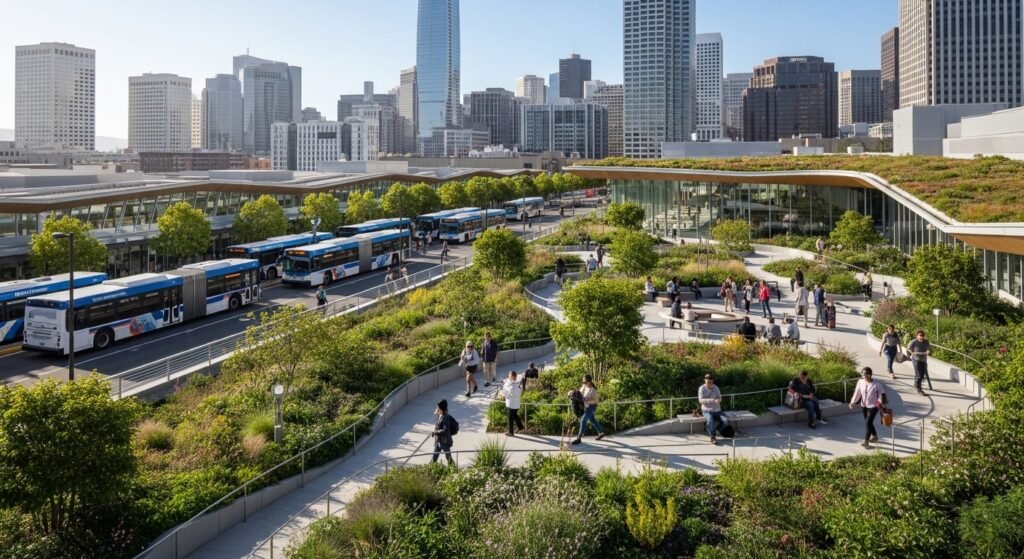
San Francisco’s transportation network expanded through projects such as the Salesforce Transit Center. The facility links buses and regional transit lines. It also features green design elements and public spaces that reflect modern urban planning ideas.
Atlanta Airport Growth
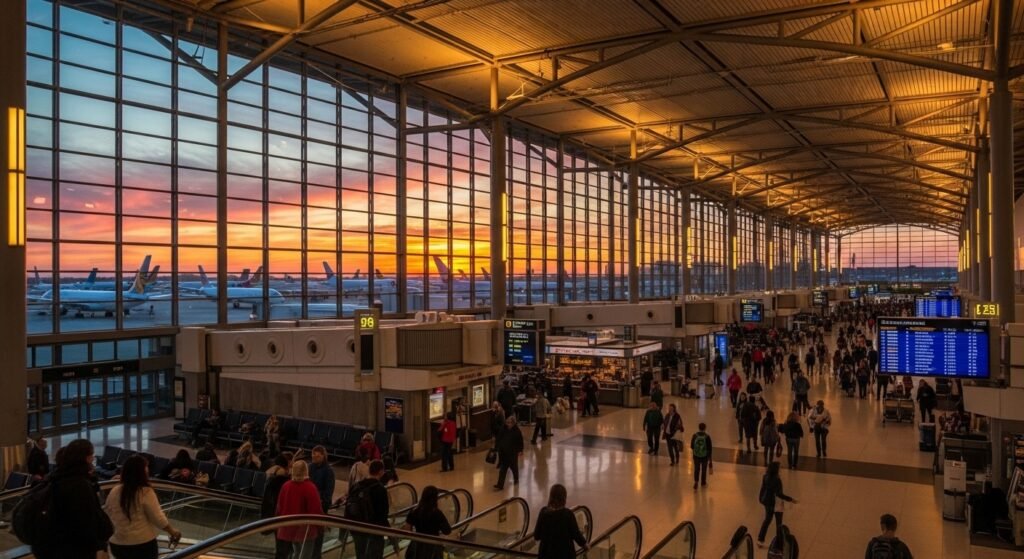
Hartsfield-Jackson Atlanta International Airport developed rapidly as air travel demand increased. Terminal expansions and improved runway capacity helped the airport become one of the world’s busiest passenger hubs while maintaining efficient operations.
Boston’s Logan Airport Improvements
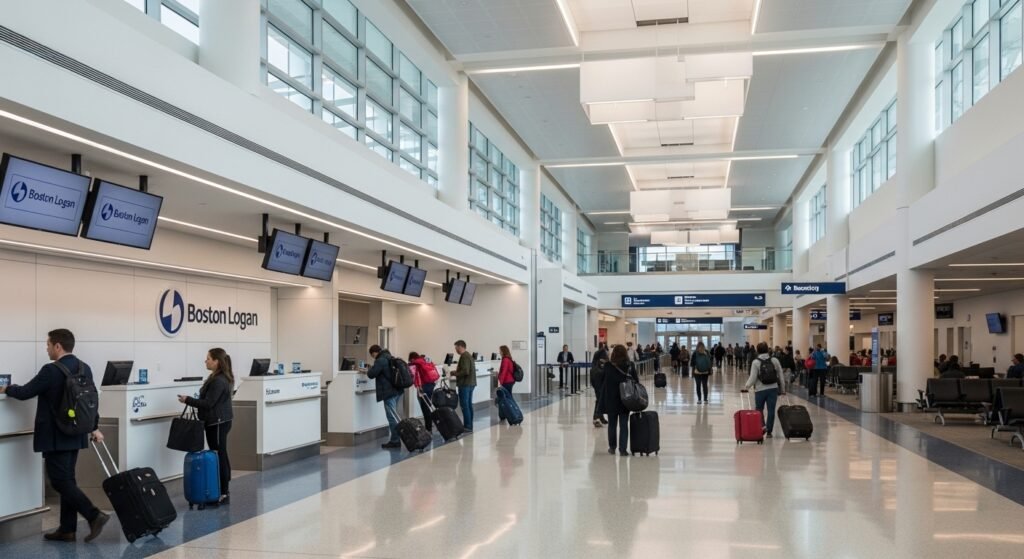
Boston Logan International Airport modernized its terminals and transportation connections over the years. New facilities improved passenger comfort and efficiency. These upgrades strengthened the airport’s role as a major entry point to New England.
Dallas-Fort Worth Regional Gateway
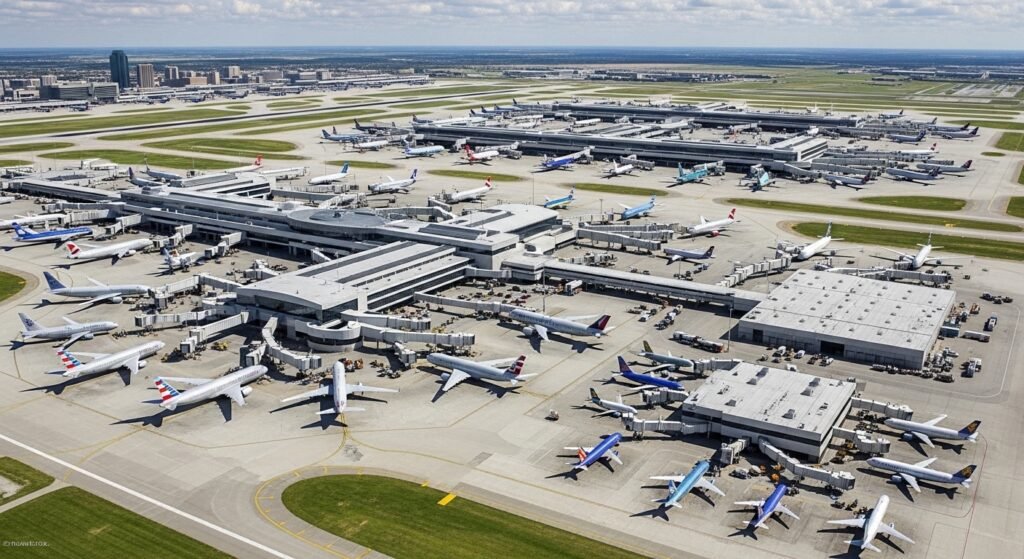
Dallas-Fort Worth International Airport was designed to serve a large metropolitan region. Continuous development of terminals, rail links, and cargo facilities turned it into a major domestic and international aviation center.
Seattle’s Port and Air Connections
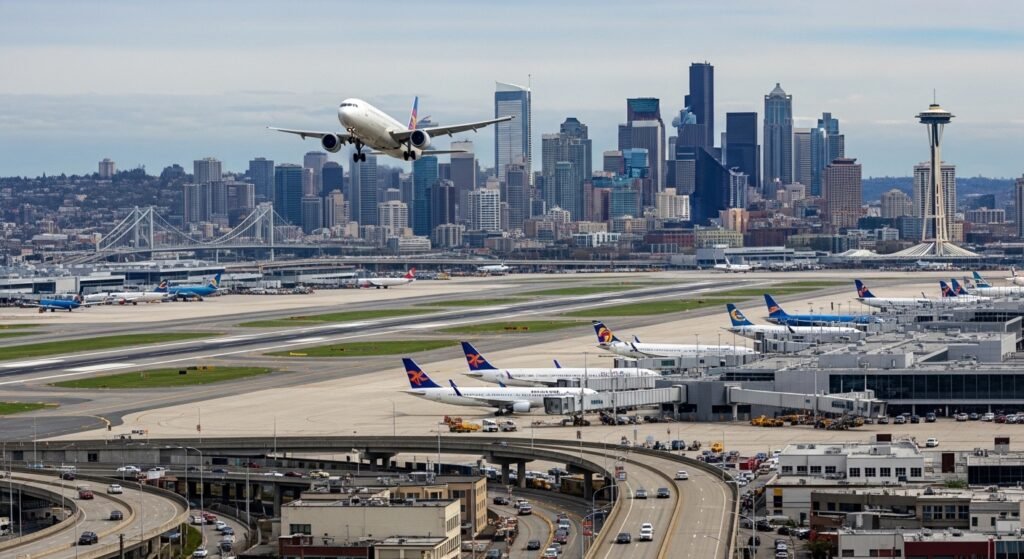
Seattle expanded both its seaport and airport infrastructure to support trade and travel. Port facilities improved cargo movement, while Seattle Tacoma International Airport upgraded terminals to handle growing passenger traffic across the Pacific region.
Miami’s International Access Point
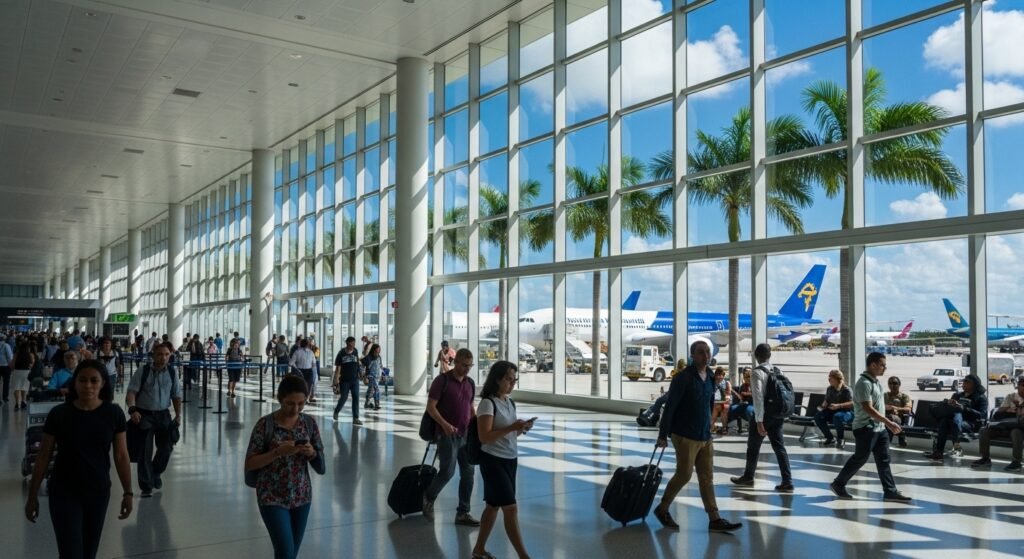
Miami International Airport developed into a vital gateway between the United States and Latin America. Terminal expansions and logistics improvements strengthened its position as a major hub for tourism, business travel, and international connections.
