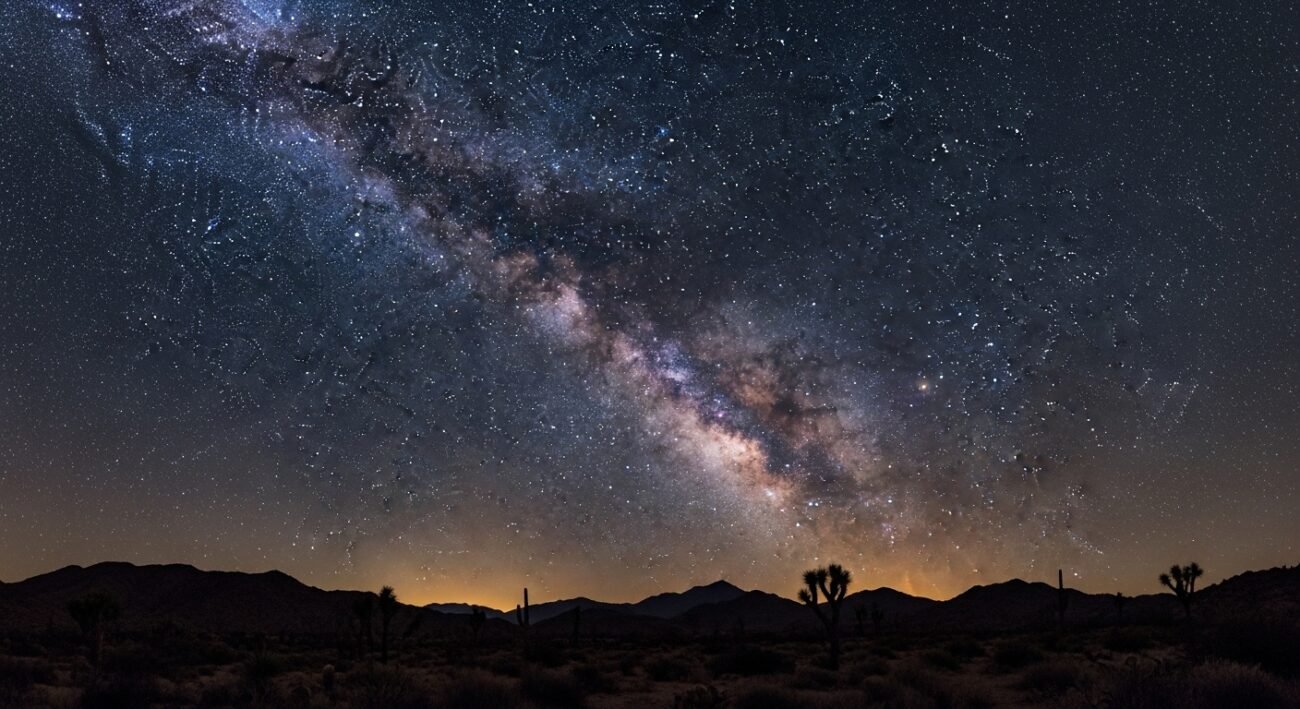
There is something that is stabilising about being under the heavens of a sky full of stars. In the distance, there is a darker and more serious night. There are only very isolated spots in the United States which save the actual darkness. These places have clean air, broad horizons and spectacular atmospheric clarity. Some are high in the mountains. Some are across the desert valleys or the silent coast. All of them offer a call to the viewers to slack and take a glance at the sky. Constellations are made more binding. The Milky Way is a ribbon which glows in the sky. The eleven places are characterized by a very dark sky that people clearly remember and a wonderful experience of gazing at the stars.
Mauna Kea, Hawaii
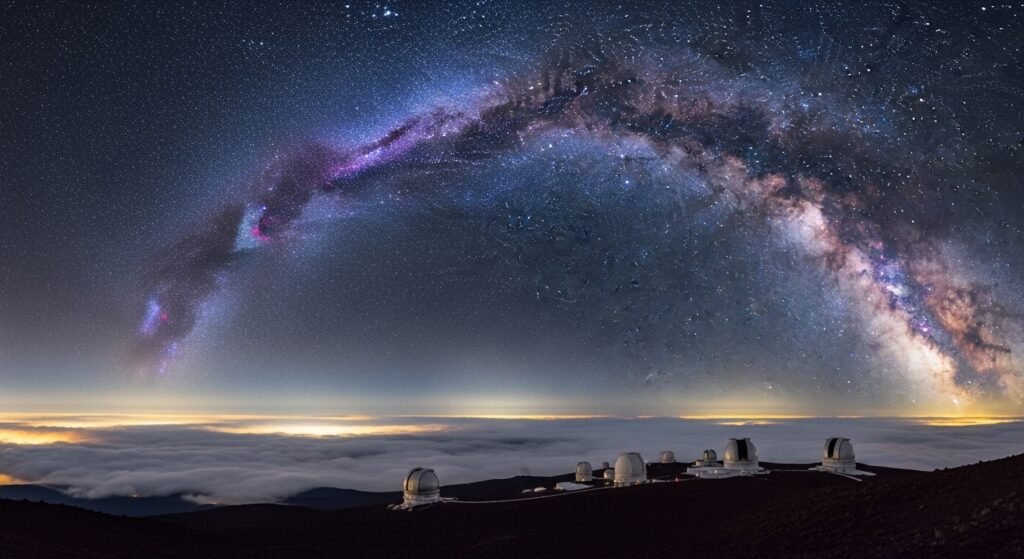
The Mauna Kea mountain is approximately 14000 feet above sea level. It is raised so high and creates great clarity, as it is not near the lights of the city. When the sky is clear, the Milky Way is very bright, and the horizon is infinite.
Cherry Springs State Park, Pennsylvania
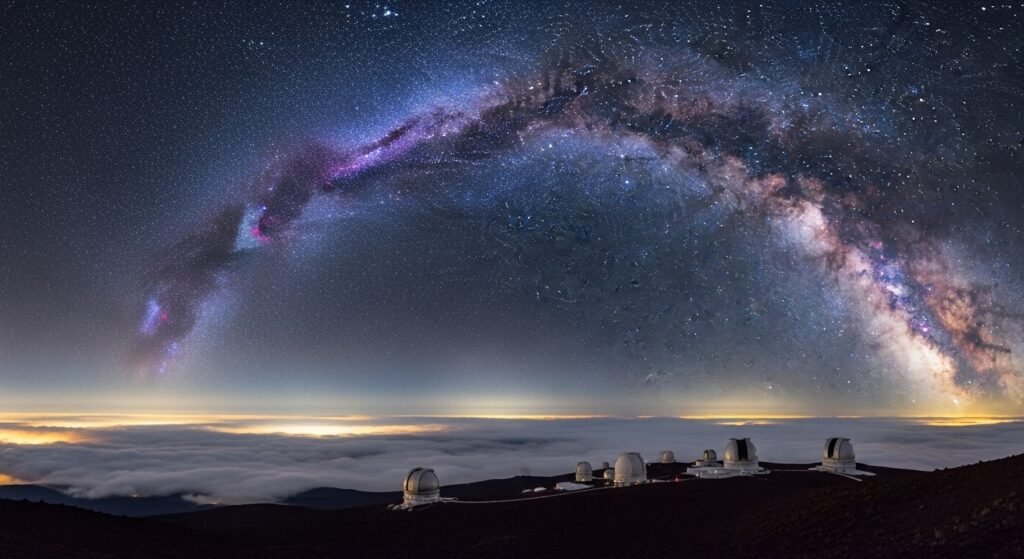
Cherry Springs State Park boasts of very dark skies in the northeastern region of the United States. The park has expansive fields, which give large viewing horizons and guided astronomy activities and seasonal star parties are commonly attended by the visitors.
Big Bend National Park, Texas
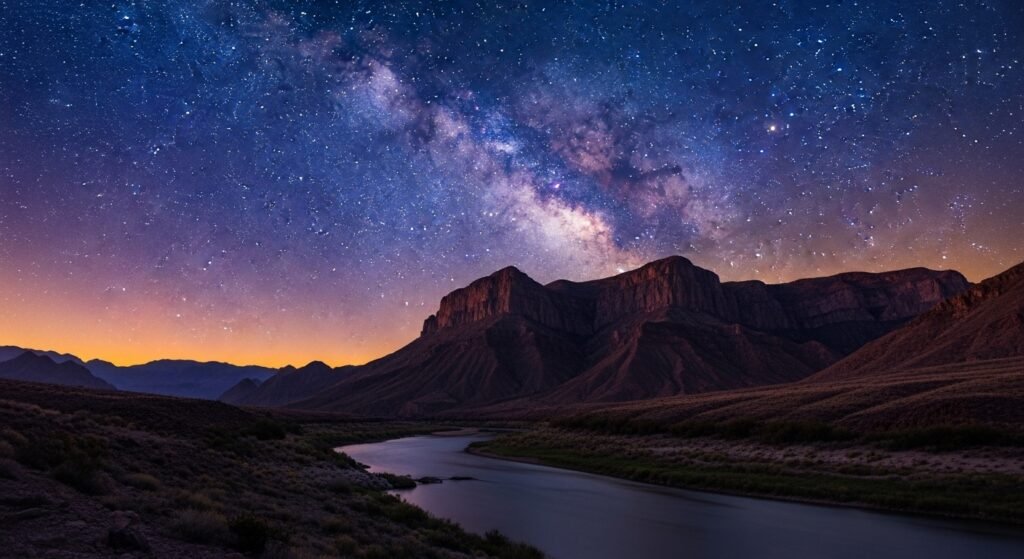
Big Bend National Park has extensive desert views and low levels of light pollution. The Rio Grande is surrounded by the silence of the park, and the stars above the Grand Ranch provide the dramatic canopy of the distant West Texas sky.
Death Valley National Park, California
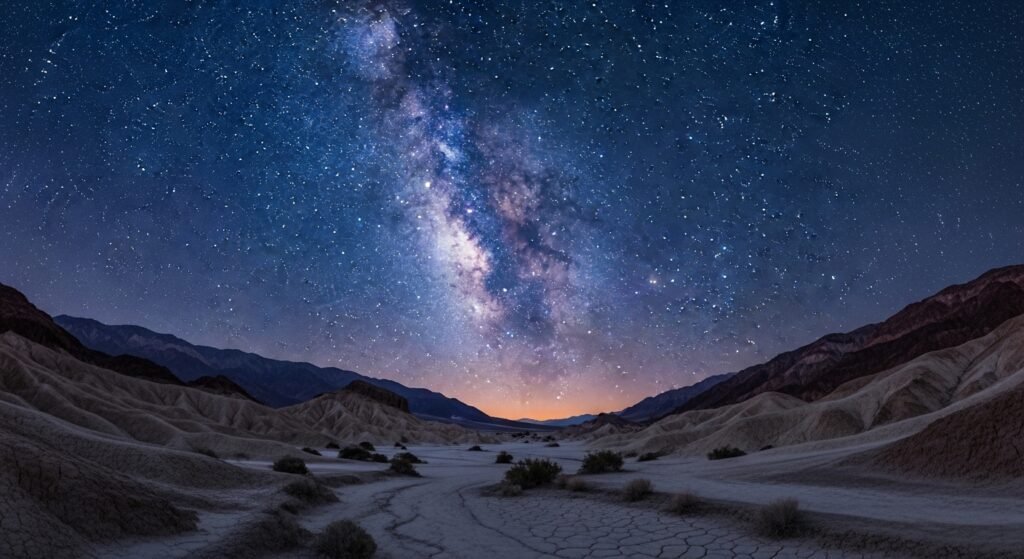
The Death Valley National Park is a combination of dry air and huge valleys. The dry air contributes to greater visibility and silhouettes on mountains with a sky that is brilliant and full of stars, planets and on rare occasions, meteor showers.
Bryce Canyon National Park, Utah
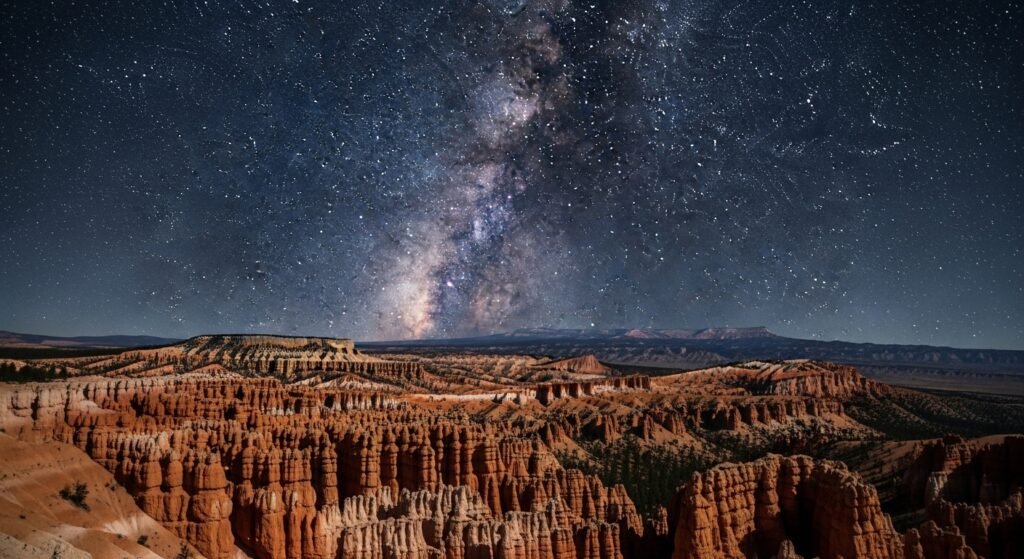
The location of Bryce Canyon National Park is at a high elevation, which makes the reduction of atmospheric distortion possible. The red rock hoodoos of the park contrast with the bright constellations, creating a dramatic and, at the same time relaxing setting.
Great Basin National Park, Nevada
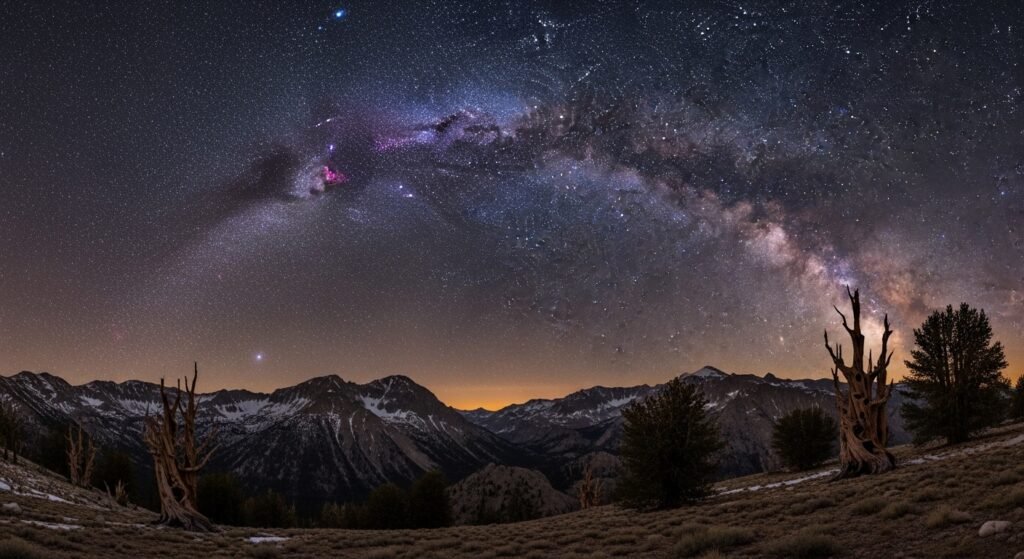
Great Basin National Park is also among the least frequented national parks that still retains a profound darkness. During moonless nights, the Milky Way is easily visible in the sky, and those who come to observe may see out in the distance galaxies with little equipment.
Glacier National Park, Montana
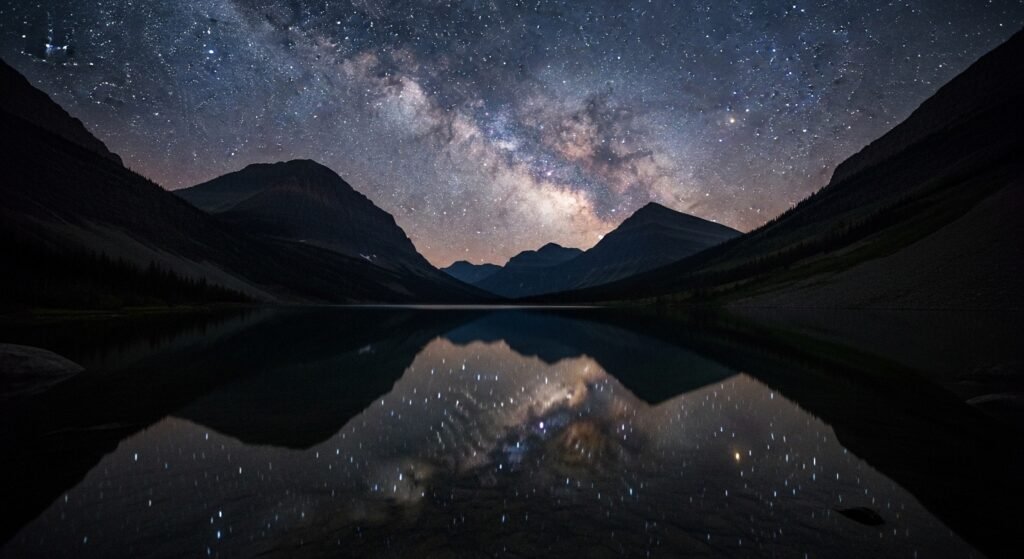
Glacier National Park combines alpine scenery with black night skies. Star reflections on the calm lakes and the transparent mountain air allow seeing collections of stars and meteor showers of the seasons brilliantly.
Voyageurs National Park, Minnesota
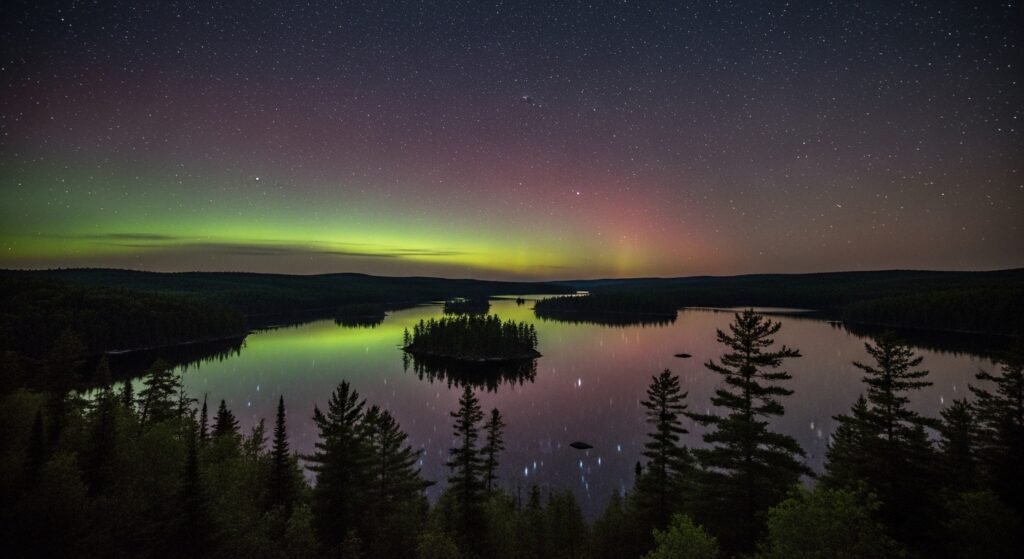
Voyageurs National Park is characterised as having interlocked waterways and secluded campsites on the shoreline. There is little artificial lighting, and so the visitor can see a sky full of stars and in some seasons the aurora borealis.
Capitol Reef National Park, Utah
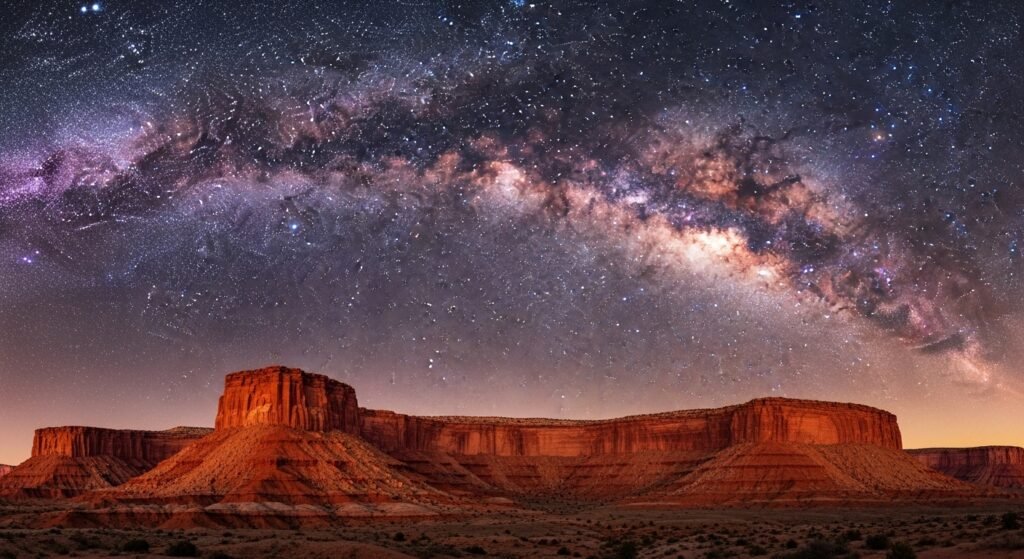
Capitol Reef National Park has rough cliffs and silent, deserted landscapes. The secluded position of the park brings the problem of light pollution down to a bare minimum and enables bright stargazing and clear sight of planetary alignments most of the year.
Acadia National Park, Maine
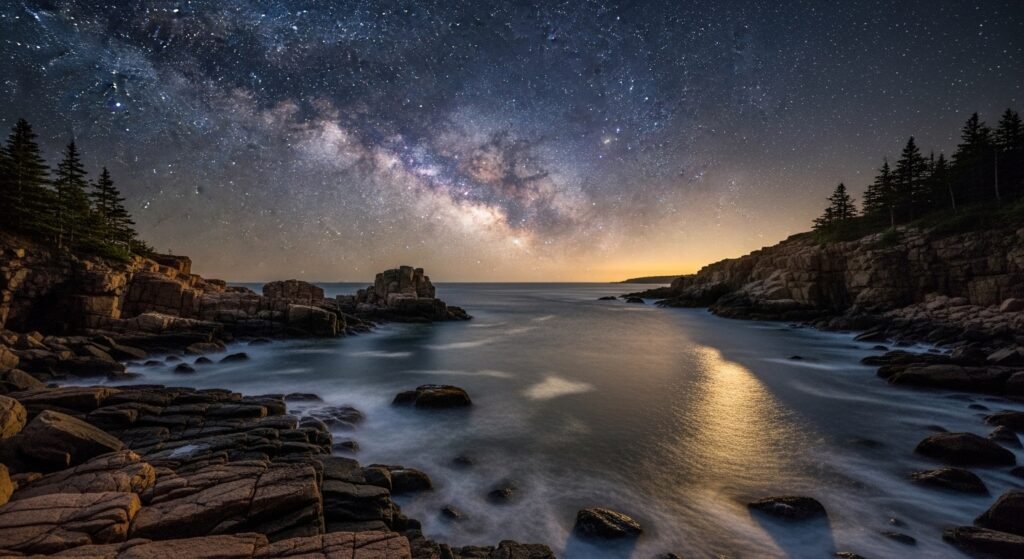
The Acadia National Park resorts to stargazing along rocky beaches. Despite its proximity to population centres compared to western parks, there are some areas which are remarkably dark and offer some serene oceanfront sites.
Natural Bridges National Monument, Utah
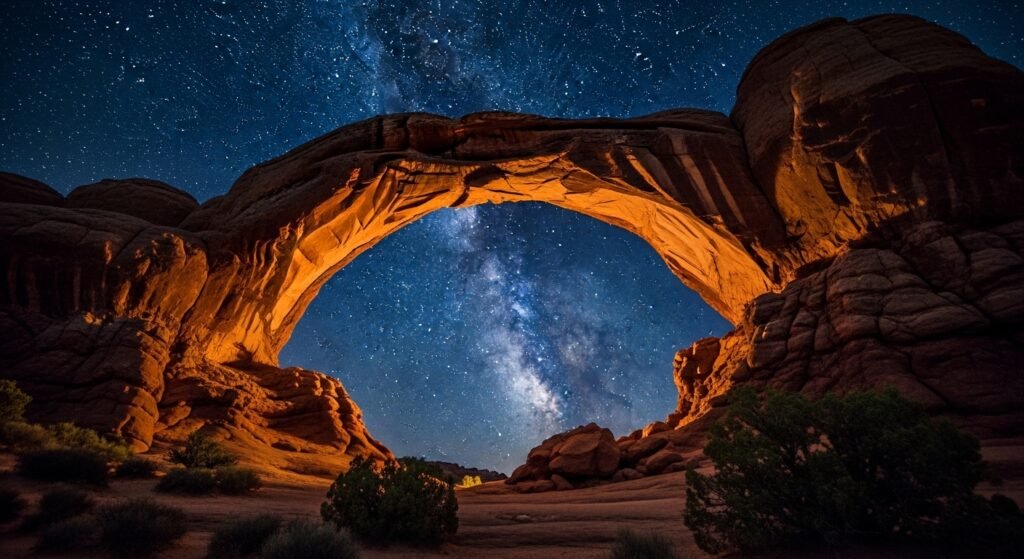
Natural Bridges National Monument was designated as the first International Dark Sky Park in the world. The night sky is forged with huge stone arches, producing dramatic compositions for both the unprofessional at photography and the professional photographer.
