
If your scalp suddenly feels tight, flaky, or unbearable as soon as winter hits, you are not imagining it. Cold weather creates the perfect conditions for scalp irritation, lower humidity indoor heating and changes in hair care routines all work together to dry out the scalp. Once you understand why it happens, fixing it becomes much easier.
Cold air drives out your scalp

Winter air holds for less moisture than warm air when temperatures drop. Your scalp loses hydration faster than it can replace it. This dryness weakens the scalp protective barrier leading to itchiness, flaking and irritation.
How to fix it
Switch to a moisturizing shampoo and conditioner designed for dry or sensitive scalps. Avoid products labelled clarifying during winter as they strip natural oils.
Indoor heating makes it worse
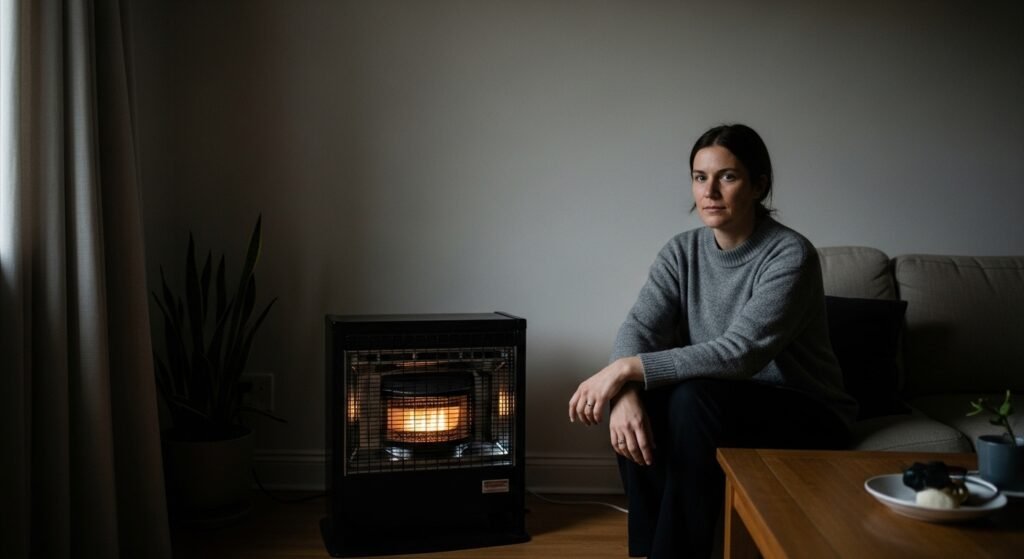
Heaters remove moisture from the air leaving your scalp dehydrated even when you are indoors. Long hours in heated rooms can cause dryness to build up gradually making itching more intense over time.
How to fix it
Use a humidifier at home, especially in your bedroom, adding moisture back into the air helps prevent your scalp from drying out overnight.
Hot showers strip natural oils
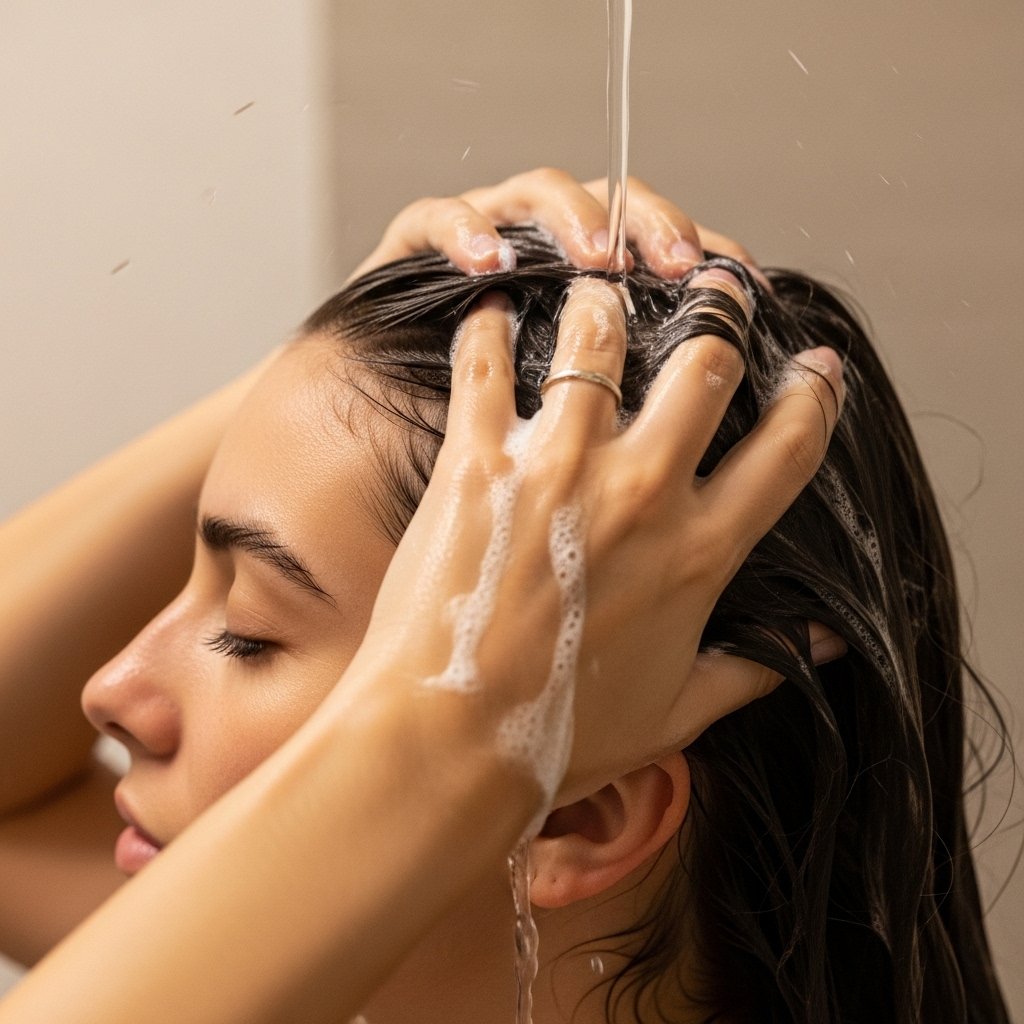
Hot showers feel amazing in winter, but they are rough on your scalp. High temperatures wash away the scalp’s natural oils, leaving it dry and vulnerable to irritation.
How to fix it
Wash your hair with lukewarm water instead of hot. It’s gentler on the scalp and helps preserve natural oils that protect against dryness.
Over washing disrupts scalp balance
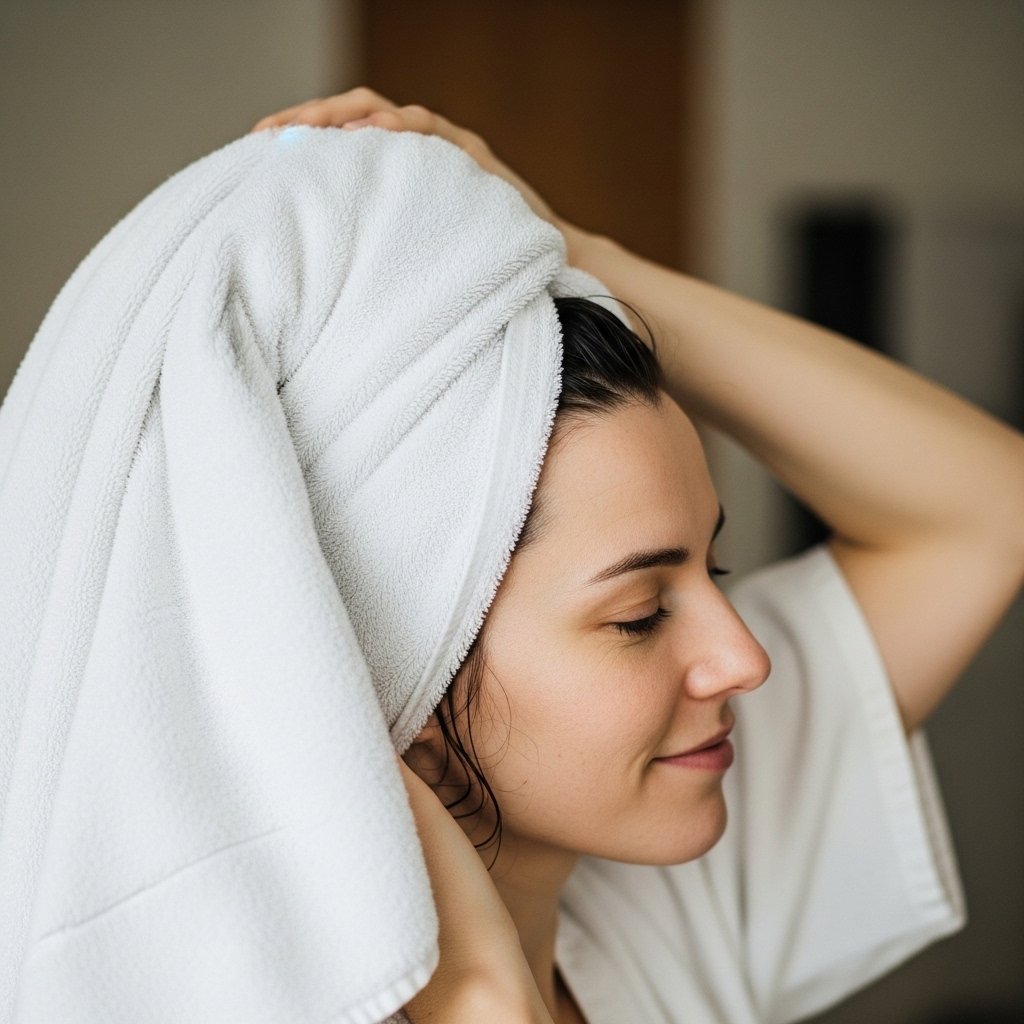
Washing hair too often during winter can worsen itchiness. Frequent washing strips away oils that your scalp desperately needs during cold months.
How to fix it
Reduce washing frequently if possible. 2 to 3 washes per week is usually enough for most people in winter on non-wash days, dry shampoos can help manage oil without drying the scalp.
Product build up triggers itching
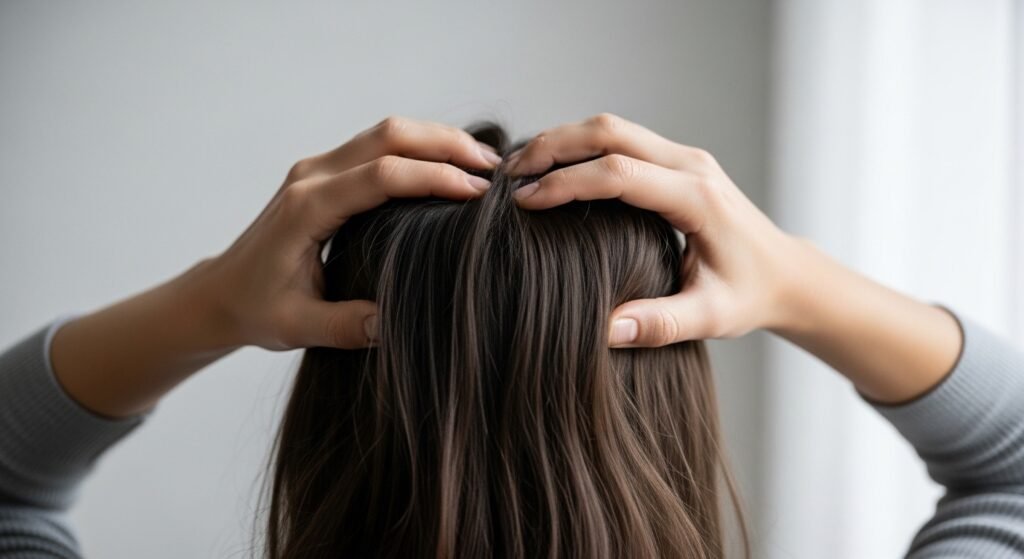
Heavier winter products like creams, oils and styling products can build up on the scalp. This build up blocks follicles and causes itching even if your scalp is already dry.
How to fix it
Use a gentle exfoliating scalp scrub once every 2 weeks to remove build up, avoid harsh scrubs and don’t overdo exfoliation as that can cause more irritation.
Dandruff can flare up in winter
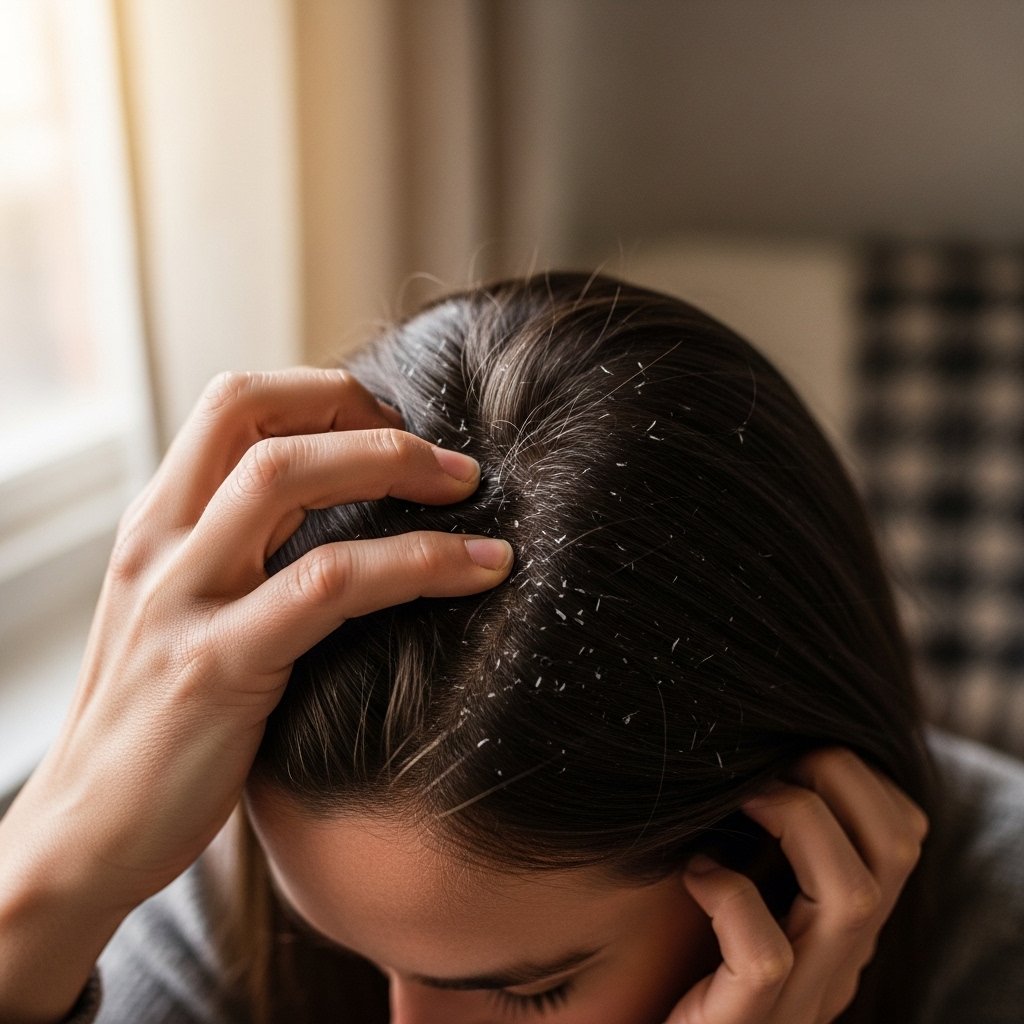
Winter does not just cause dryness it can also worsen dandruff. Cold weather stress and less Sun exposure can trigger fungal imbalances that lead to flicking and itching.
How to fix it
If flakes are yellow or oily rather than dry and white, use an anti-dandruff shampoo once a week or twice a week. Let it sit for a few minutes before rinsing sonit can work effectively.
Hats and scarves trap sweat

Wearing hats and scarves protects you from the cold, but they can trap sweat and friction against the scalp. This combination irritates sensitive skin and worsens itching.
How to fix it
Choose breakable fabrics like cotton or wool blends. Wash hats regularly to prevent bacteria and product residue from irritating your scalp.
Lack of moisture care
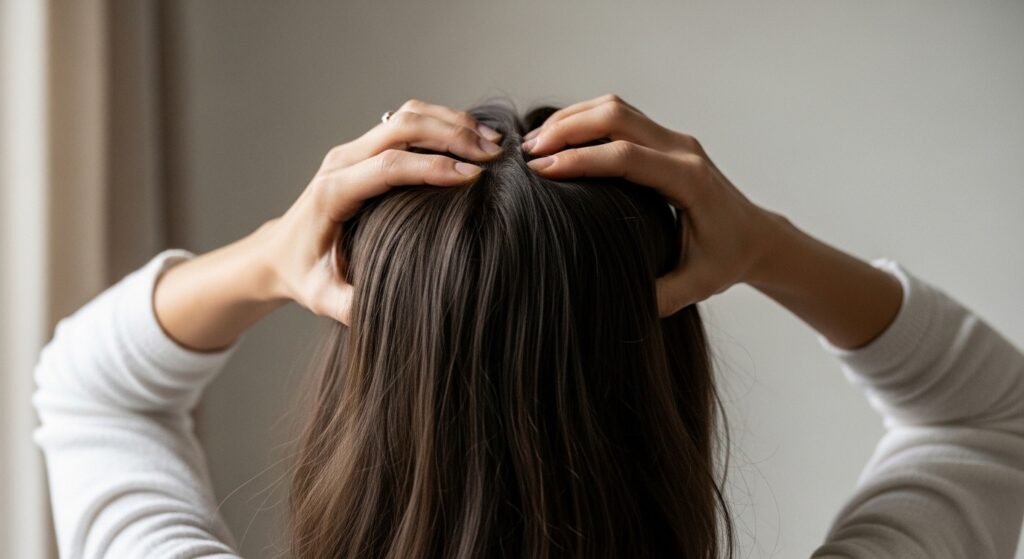
Many people focus on conditioning hair length but ignore the scalp in winter. The scalp needs direct hydration just like facial skin.
How to fix it
Apply lightweight scalp serum or oils with ingredients like tea tree, aloe vera, niacinamide or hyaluronic acid. Use sparingly and massage gently to boost circulation.
Dress and seasonal changes play a role

Winter often brings stress, low sunlight changes and routine, all of which affect skin health. Stress can trigger inflammation that shows up as scalp itchiness.
How to fix it
Gentle scalp massages, adequate sleep and proper hydration support overall scalp health. Even small self-care habits can reduce inflammation related itching.
