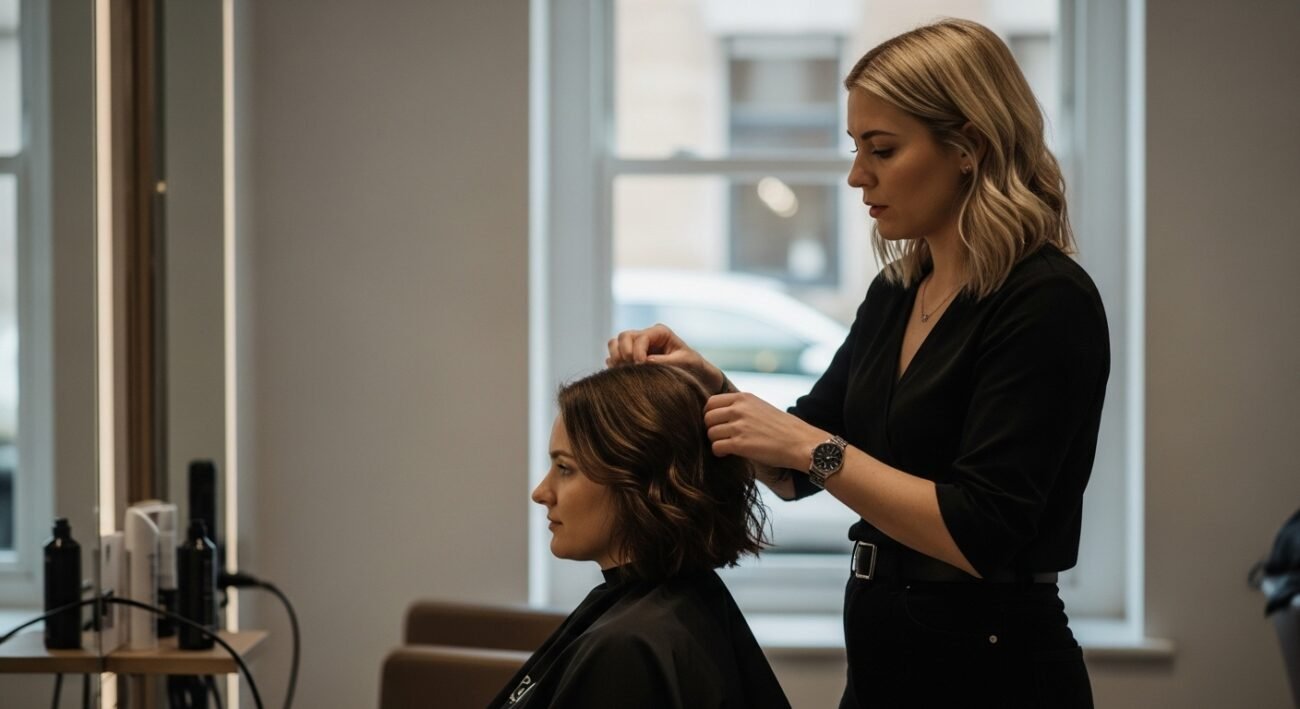
When you sit in a hairstylist begins observing long before they touch your hair. Their trained eyes pick up every small detail that reveals your hair condition, your routine, and even your confidence. These first impressions help them decide what will suit you.
Your Hair’s Overall Health

The very first thing a hairstylist notices is how healthy you look and feel. Shine, smoothness, elasticity, and breakage instantly tell them whether your hair is nourished or stressed. Dry, brittle ends or excessive frizz often indicate heat damage, lack of moisture, or irregular trims.
Scalp Condition
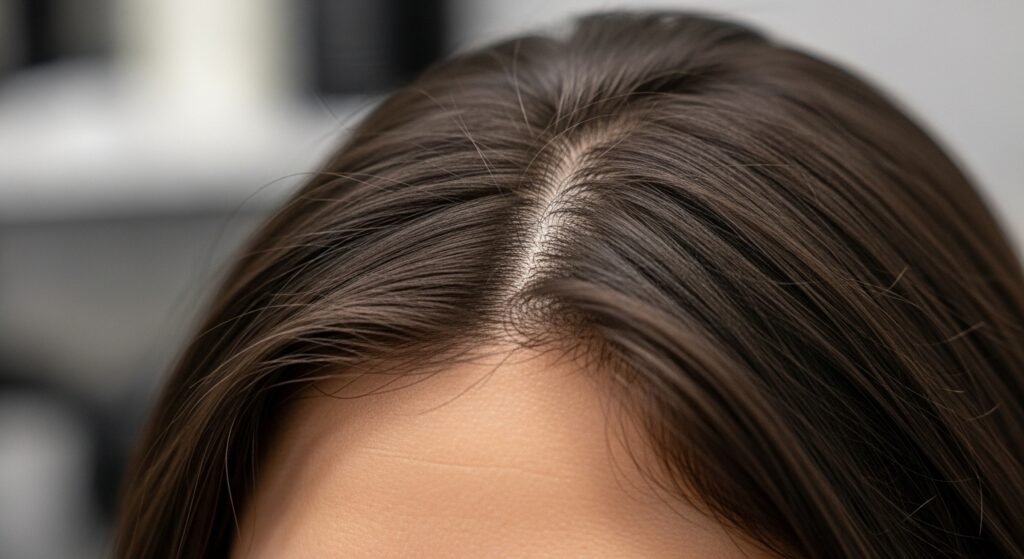
A stylist always checks the scalp because healthy hair starts at the roots. Flakiness, oil buildup, redness, or sensitivity reveal your washing habits and product choices. An unhealthy scalp may require treatment before any haircut, color, or styling can truly look its best.
Hair Texture and Thickness

Your natural hair texture and thickness guide every professional decision. Whether your hair is fine, thick, curly, or straight helps stylists determine how much layering is needed and which styles will hold well. Ignoring texture often leads to styles that look good briefly but fail long-term.
Previous Hair Treatments

Chemical treatments never fully disappear. Bleaching, coloring, straightening, or keratin treatments leave visible signs such as uneven tone, dryness, or weak strands. Stylists notice these clues immediately to avoid further damage or to plan safe, realistic transformations.
Your Current Haircut Shape
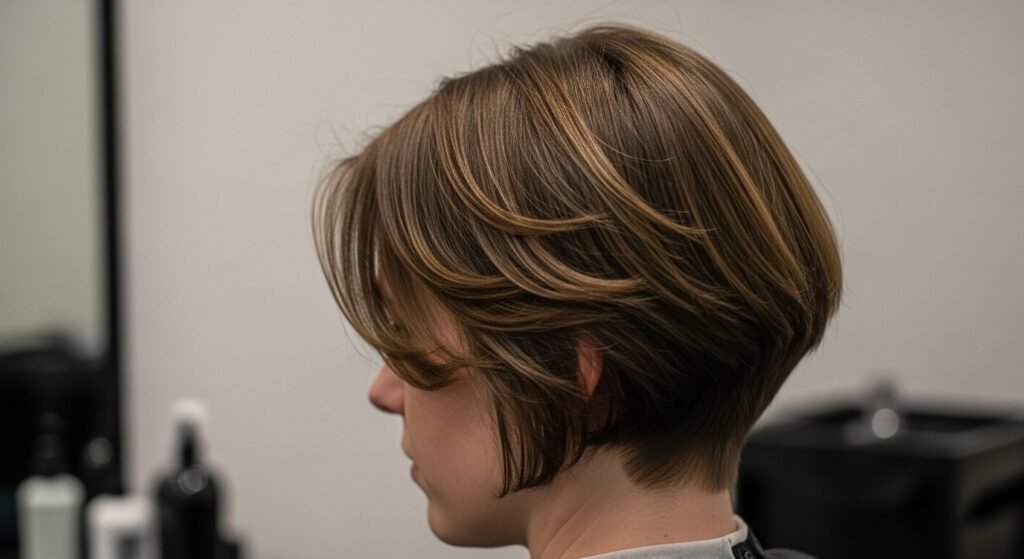
Before styling begins, the shape of your existing haircut is closely observed. Grown- out layers, blunt ends, or uneven lengths show how well the cut has aged. This helps the stylist decide whether reshaping or simple freshness is needed.
How You Style Your Hair Daily
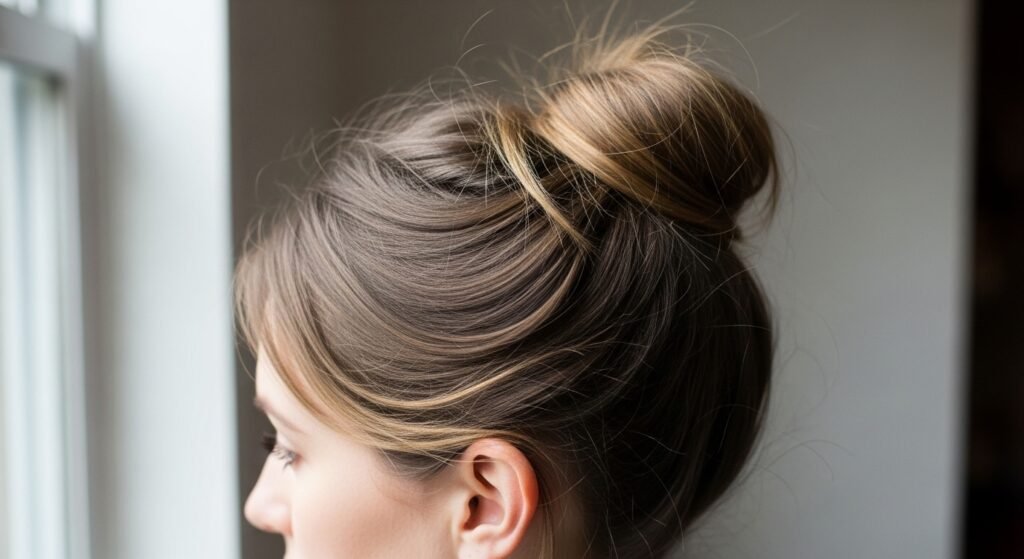
Heat marks, flat roots, or product buildup quietly reveal your daily routine. Stylists can tell if you rely heavily on straighteners, avoid styling tools completely, or experiment often. This insight helps them suggest practical styles you can actually maintain at home.
Face Shape and Features
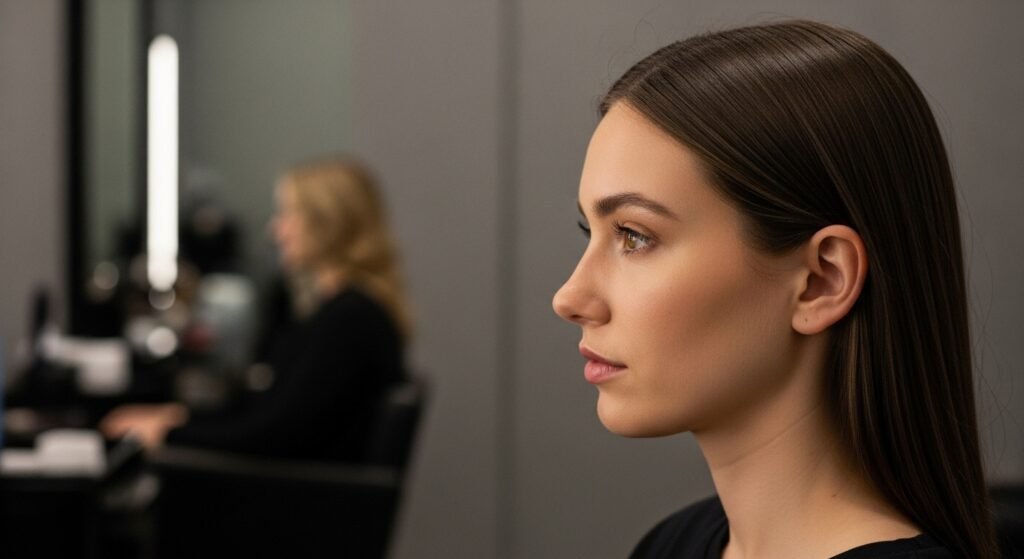
Hair stylists naturally study your face shape, jawline, cheekbones, and forehead. These features guide them toward cuts and partings that enhance your natural structure instead of overpowering it. The goal is always balance, not trends alone.
Hairline and Parting Pattern
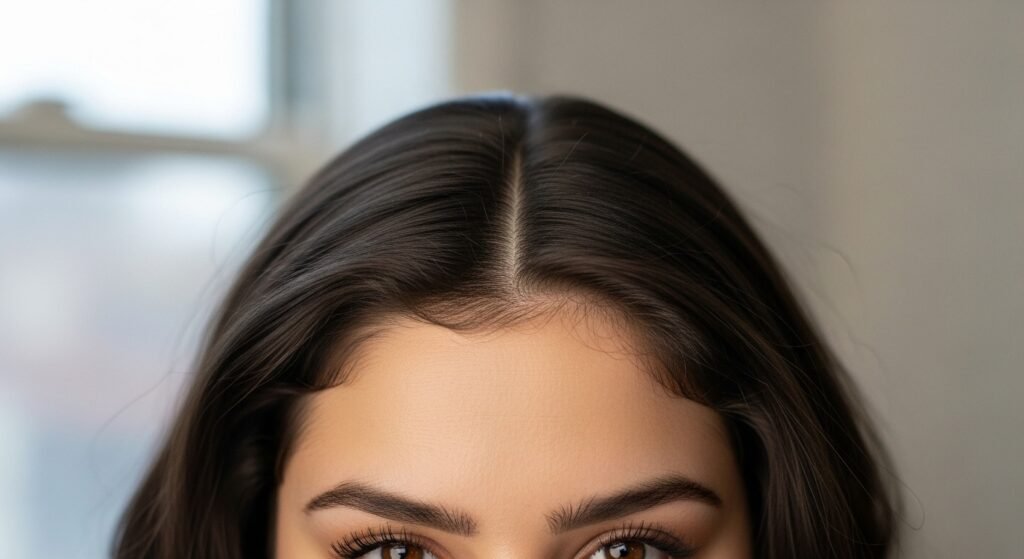
Your hairline, cowlicks, and natural parts play a major role in how styles fall. Stylists notice these details early to avoid styles that require constant effort. Working with your natural pattern ensures easier styling and longer- lasting results.
Your Confidence and Body Language

How you sit, speak, and react to the mirror says a lot. Confidence, nervousness, or hesitation helps a stylist adjust their approach. A good stylist aims to make you feel comfortable, heard, and confident not pressured into change.
How You Talk About Your Hair
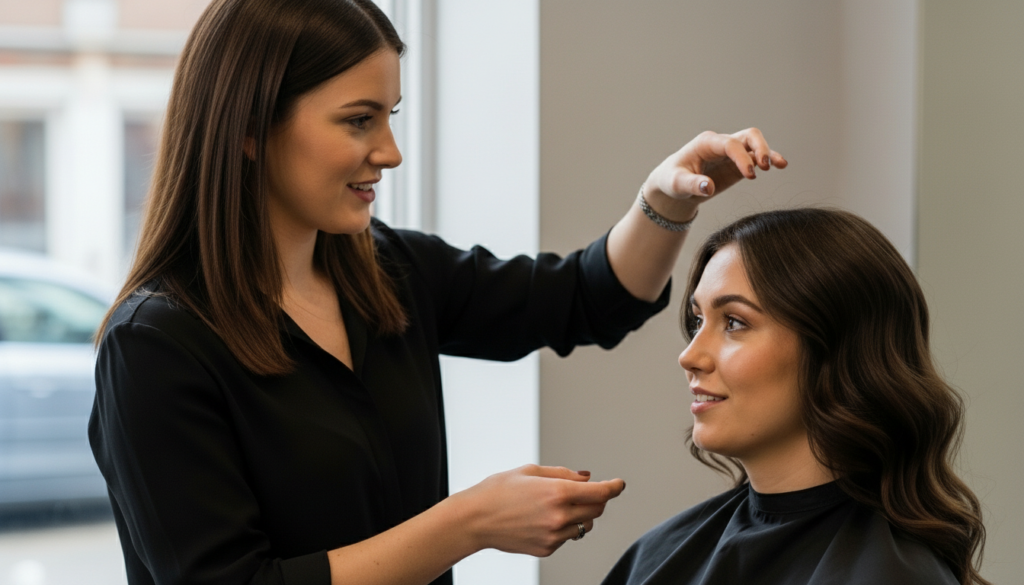
The way you describe your hair matters. Constant criticism or frustration signals emotional attachment or past disappointments. Stylists notice this and often focus on reassurance, education, and realistic expectations to help you feel better about your hair.
