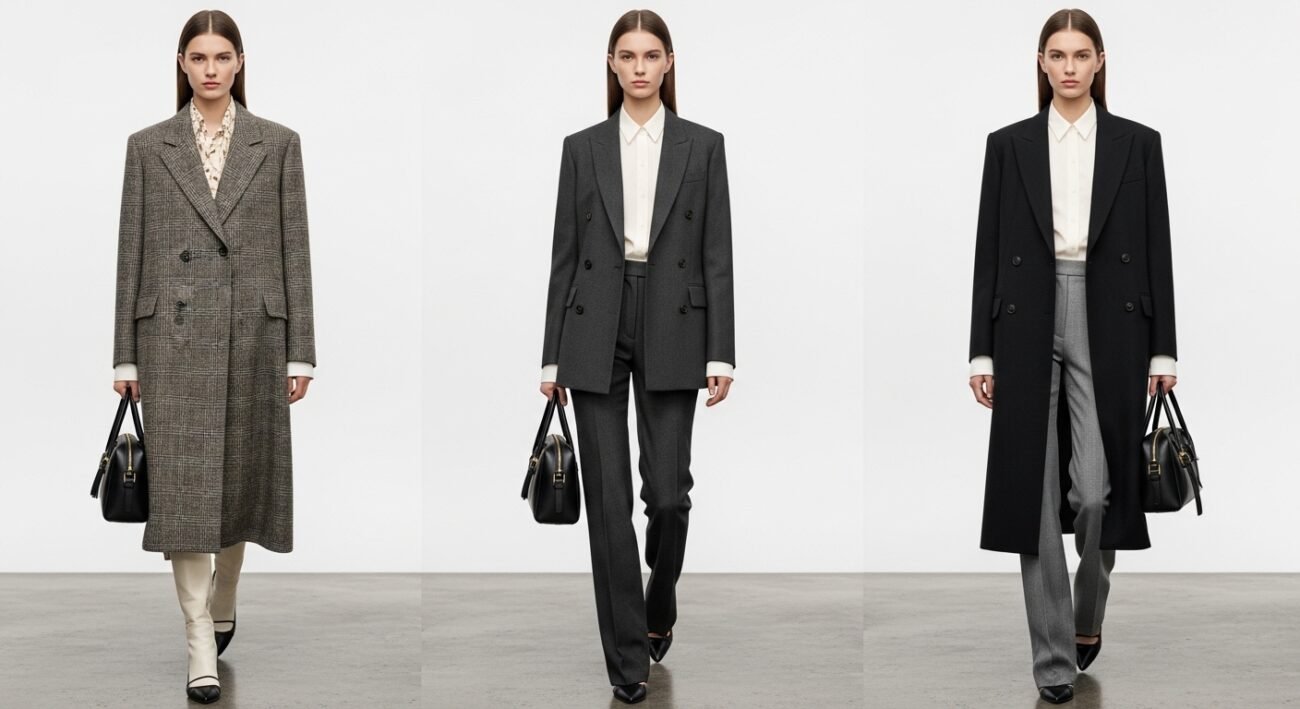
For several years, quiet luxury defined modern style. Neutral colors, subtle tailoring, and understated elegance became the preferred look for many fashion lovers. The idea focused on quality fabrics, timeless pieces, and minimal branding. However, fashion trends rarely stay the same for long. A new generation of consumers is beginning to question whether this restrained approach still reflects personal style today. Many now prefer clothing that shows creativity, individuality, and cultural influence rather than quiet refinement alone. As tastes evolve, designers and retailers are noticing a shift. Quiet luxury is not disappearing entirely, but its influence is changing as new fashion priorities emerge.
Desire for Individual Expression
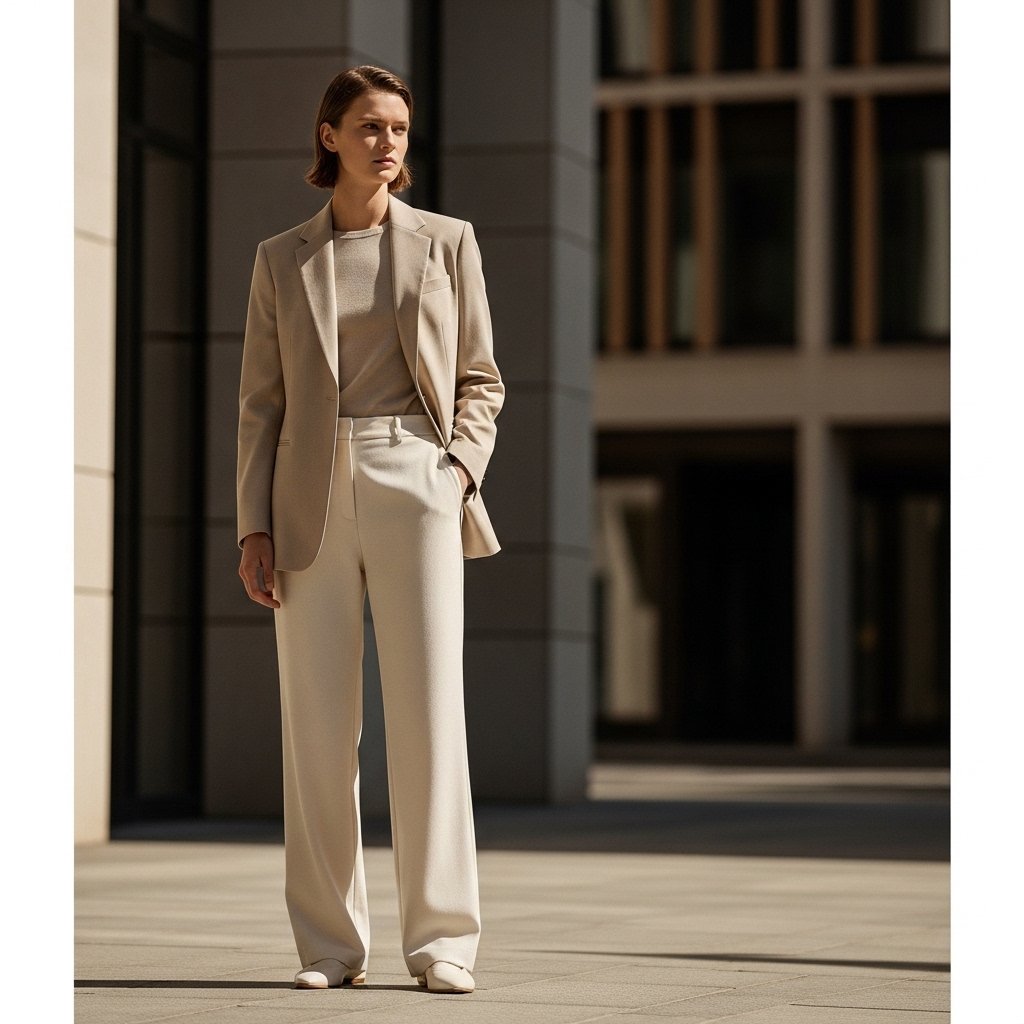
Many young shoppers want clothing that reflects personality. Quiet luxury often relies on muted colors and simple designs. While elegant, this approach can feel limiting. People increasingly look for bold patterns, distinctive silhouettes, and expressive fashion choices.
Rise of Statement Fashion
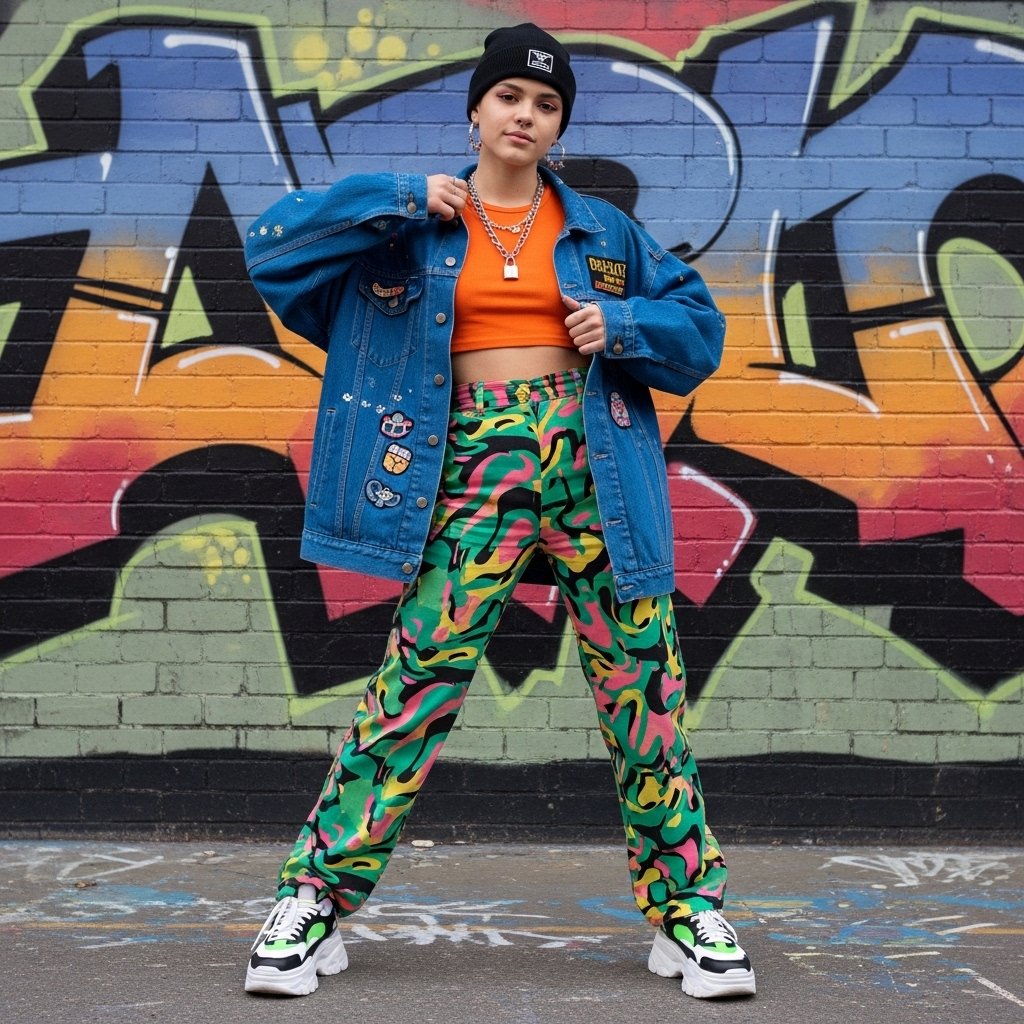
Statement pieces are gaining attention again. Bright colors, noticeable textures, and artistic prints are returning to everyday wardrobes. These items create visual interest and help wearers stand out, which contrasts with the subtle nature of quiet luxury.
Social Media Influence
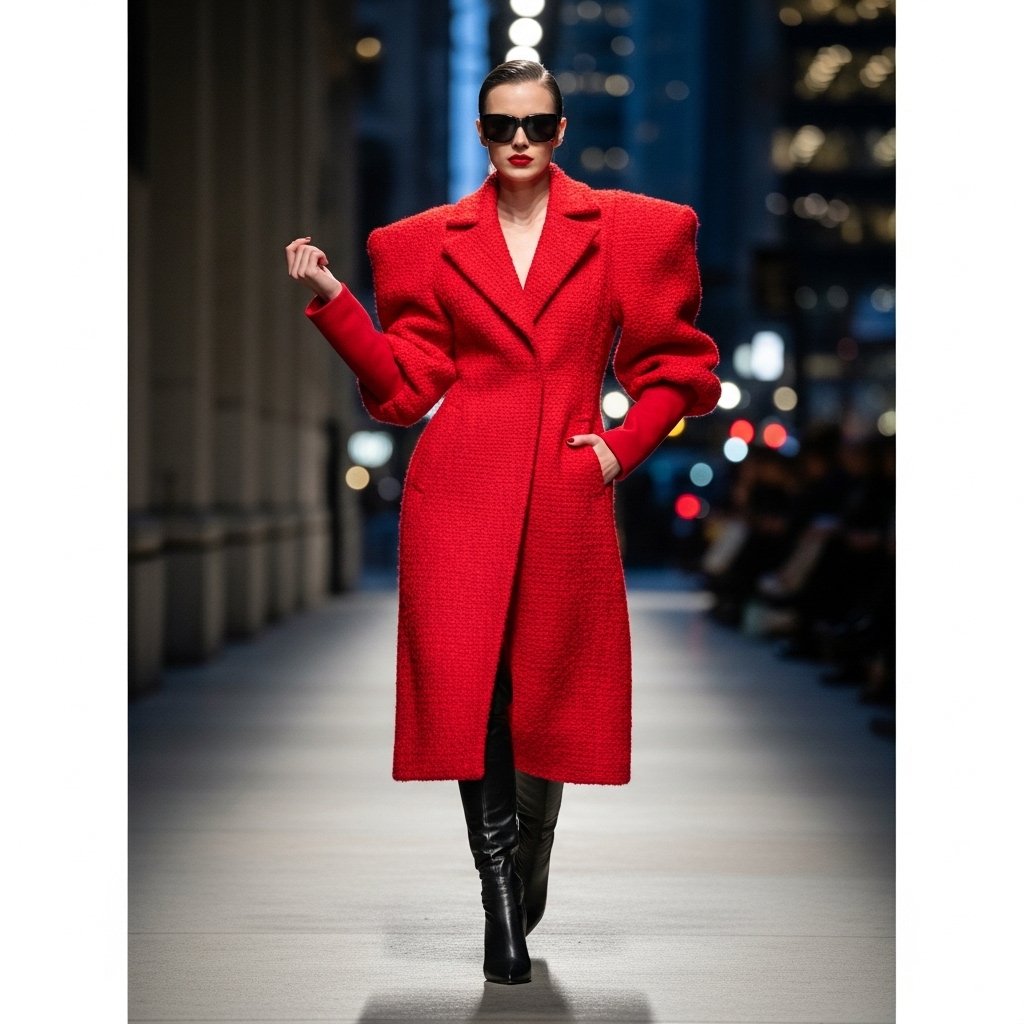
Digital platforms encourage visual creativity. Fashion shared online often highlights unique outfits rather than understated pieces. As a result, clothing that photographs well and shows personality tends to attract more attention than minimalist styling.
Cultural Inspiration in Fashion
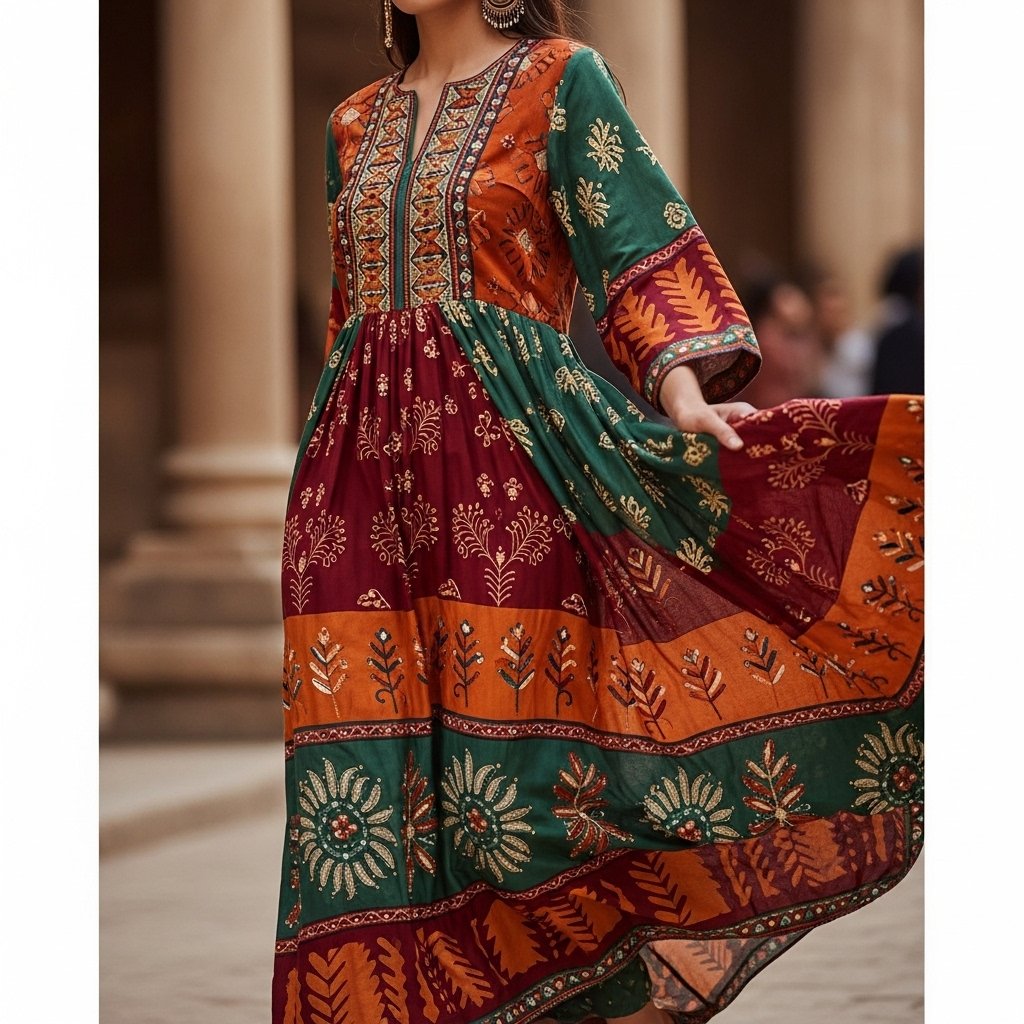
Global influences are shaping modern style. Traditional fabrics, regional designs, and handcrafted details are becoming more visible in everyday clothing. These elements add character and heritage, offering a richer alternative to quiet luxury’s simplicity.
Interest in Vintage and Retro Styles
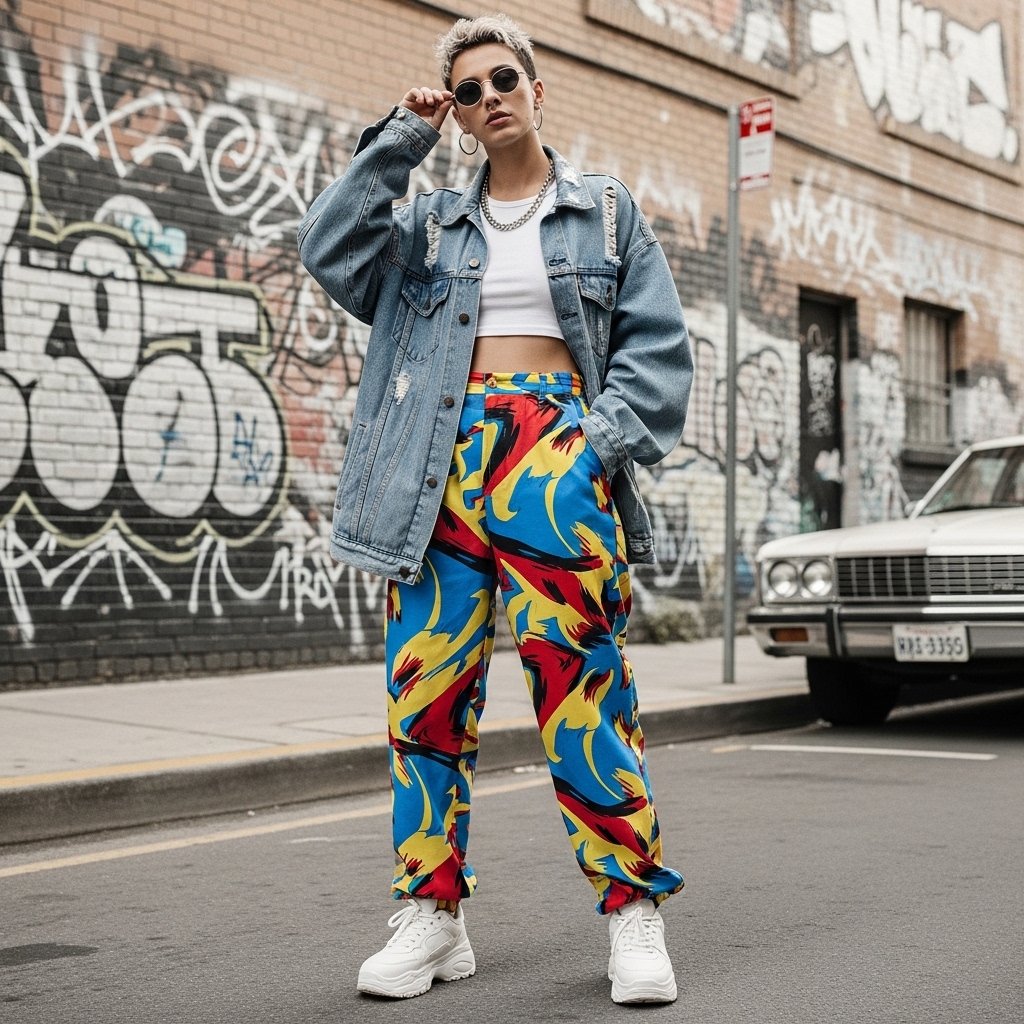
Vintage fashion continues to grow in popularity. Many shoppers explore thrift stores and vintage collections to find unique pieces. Older designs often feature bold cuts and colors, which contrast with the restrained look associated with quiet luxury.
Practical Wardrobe Choices
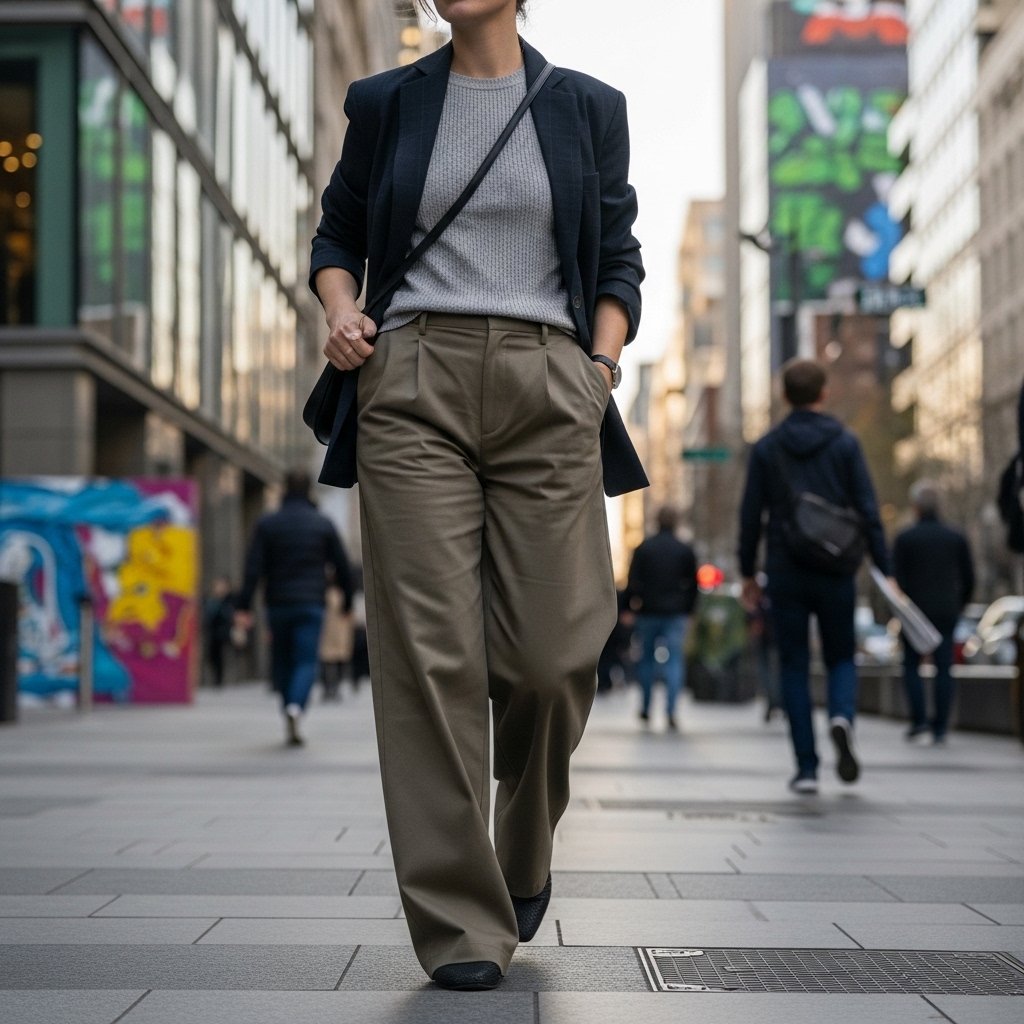
Practical clothing is also influencing fashion decisions. Comfortable fabrics, versatile designs, and durable pieces matter more than subtle luxury signals. Many people prefer items that fit different occasions rather than strictly polished minimalist outfits.
Creative Layering Trends
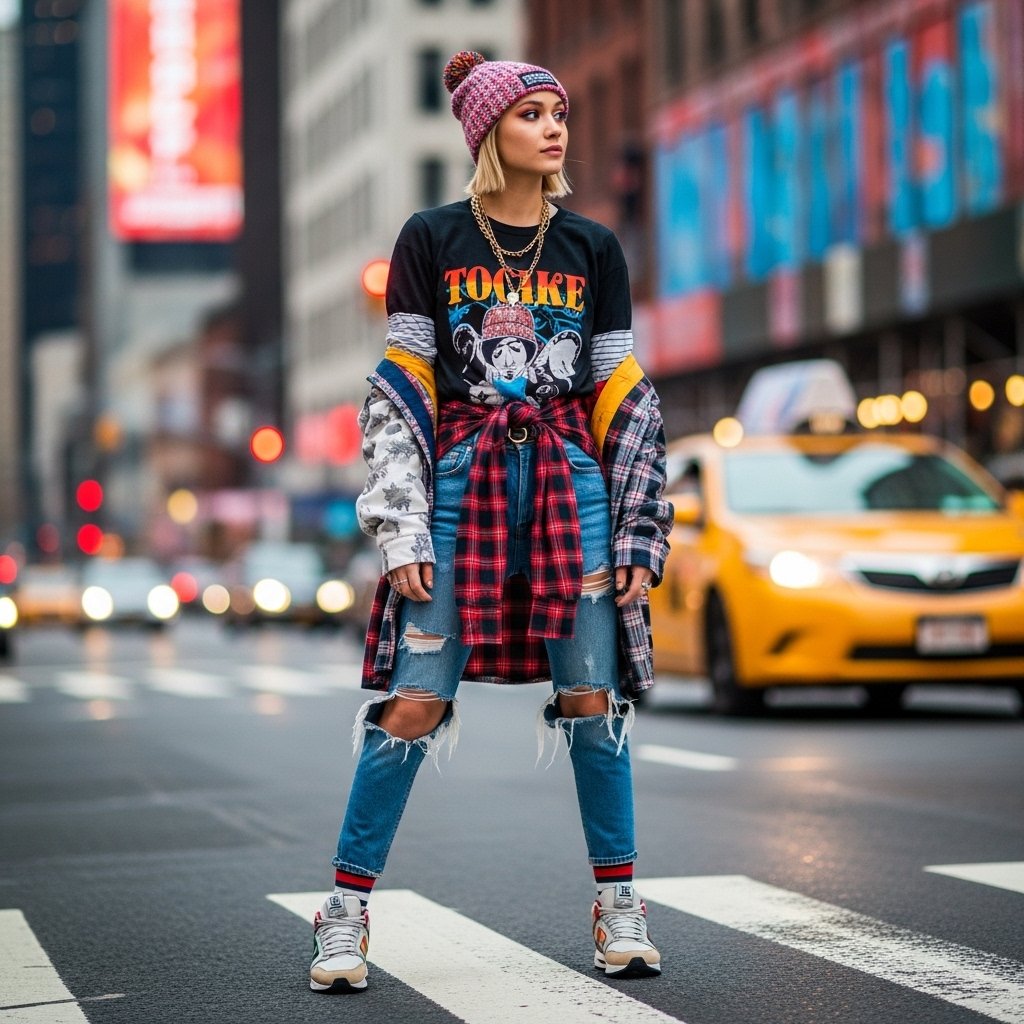
Layering has become an important styling method. Combining textures, colors, and shapes creates depth in an outfit. This approach encourages experimentation and breaks away from the simple, uniform appearance of quiet luxury wardrobes.
Growth of Independent Designers
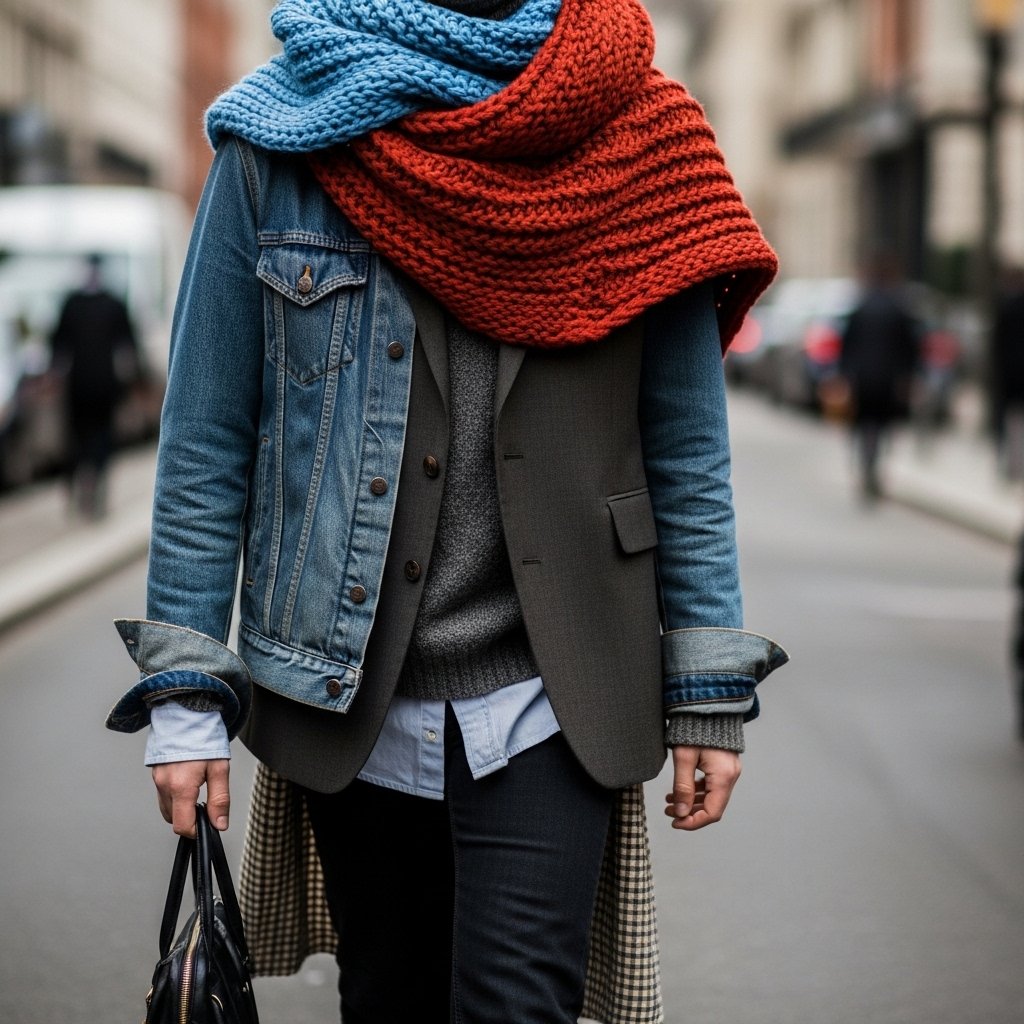
Independent designers are bringing new ideas to the fashion scene. Their collections often feature experimental designs and unconventional color combinations. These creative approaches appeal to shoppers who want something different from traditional luxury aesthetics.
Sustainable Fashion Priorities
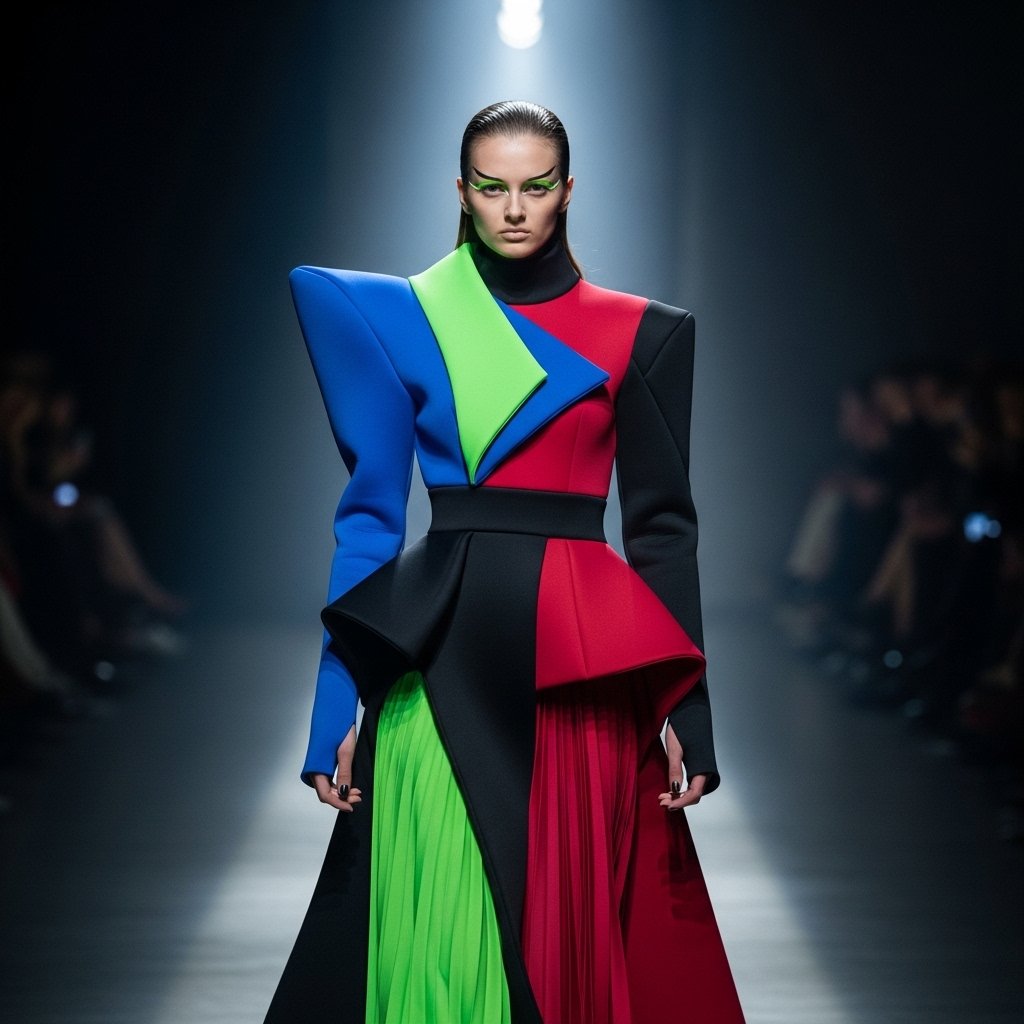
Sustainability plays an increasing role in clothing choices. Many consumers now focus on durability, responsible production, and long-term value. These priorities sometimes align with quiet luxury, but they also encourage diverse styles beyond minimalism.
Blending Casual and Formal Wear
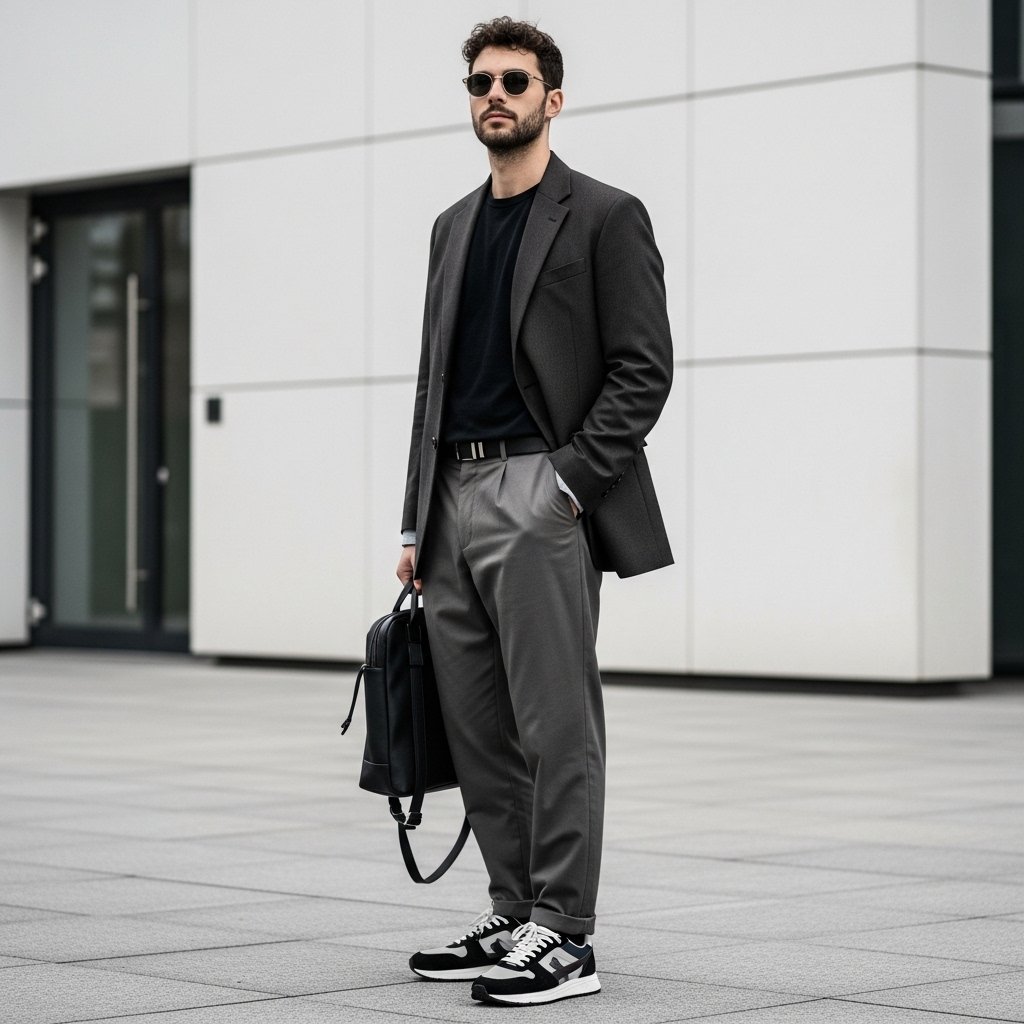
Modern wardrobes often mix casual and formal pieces. A structured jacket might be paired with relaxed trousers or sneakers. This balanced approach offers comfort and personality, moving away from the polished consistency associated with quiet luxury.
