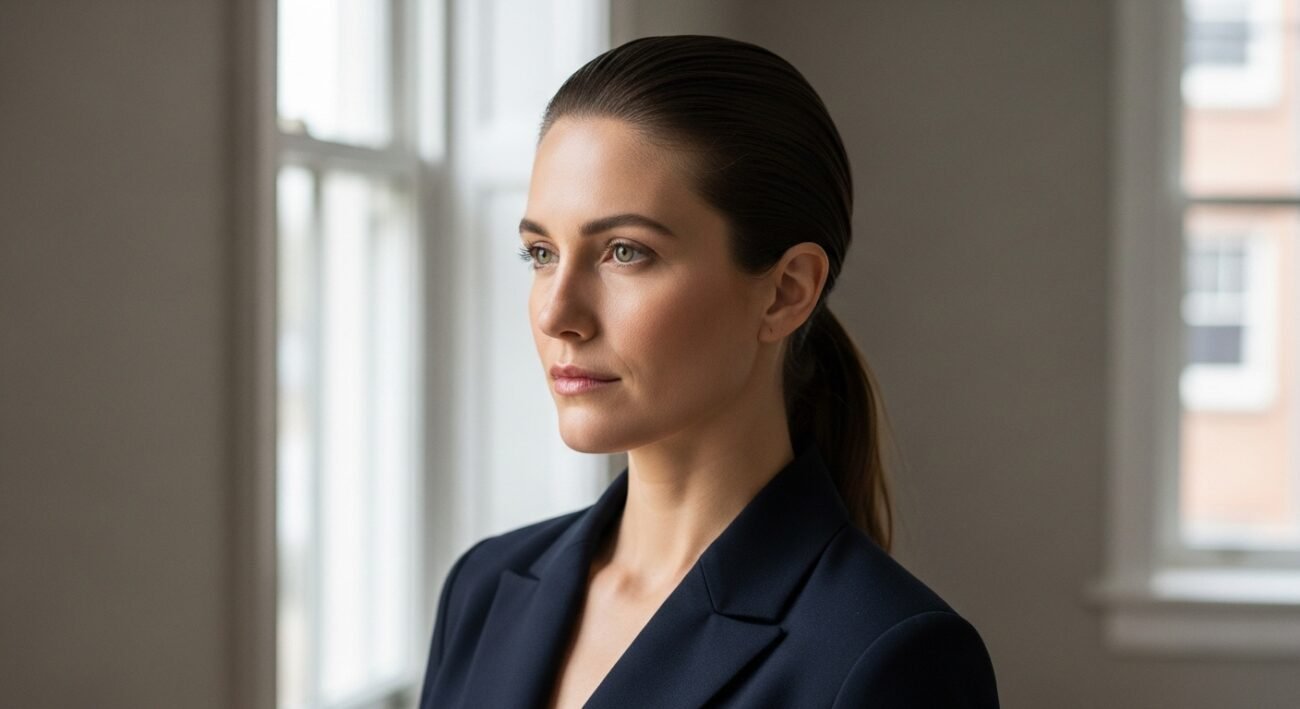
Slicked back ponytails and buns have become a signature look for many people. They appear neat, powerful and effortless, making them perfect for busy days or special occasions. However, wearing these styles too often can quietly damage your hair and scalp over time. What looks sleek and polished on the outside may be causing stress beneath the surface. The effects aren’t always immediate, which is why many people overlook them. This article breaks down the real reasons slicked- back hairstyles deserve a second thought and how to protect your hair without sacrificing style.
Constant Tension on the Hair Roots
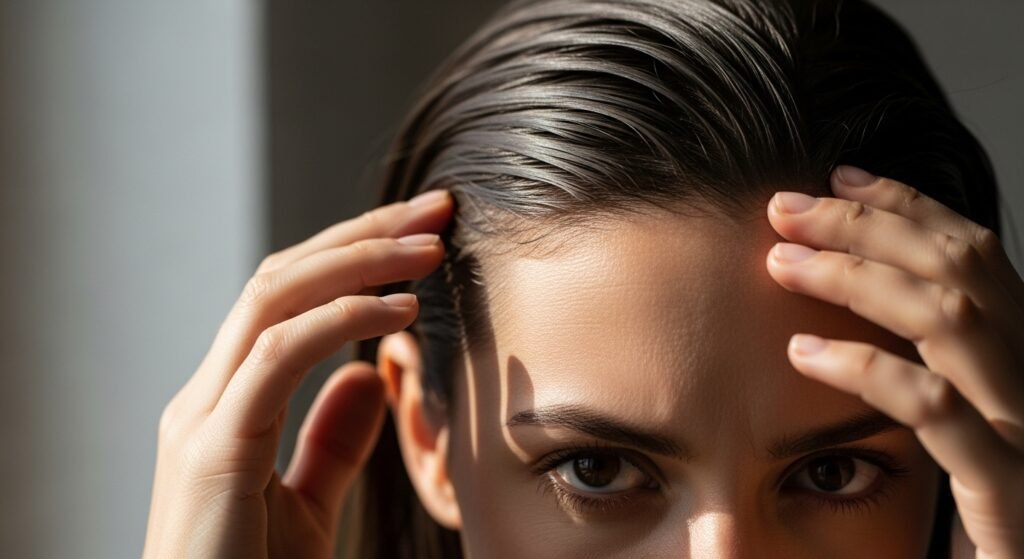
Slick back hairstyles pull the hair tightly from the scalp, especially around the front and side. This constant pressure puts the stress on the roots, making them weaker over time. When hair is repeatedly pulled in the same direction, it struggles to grow strong and healthy.
Risk of Traction Alopecia Over Time
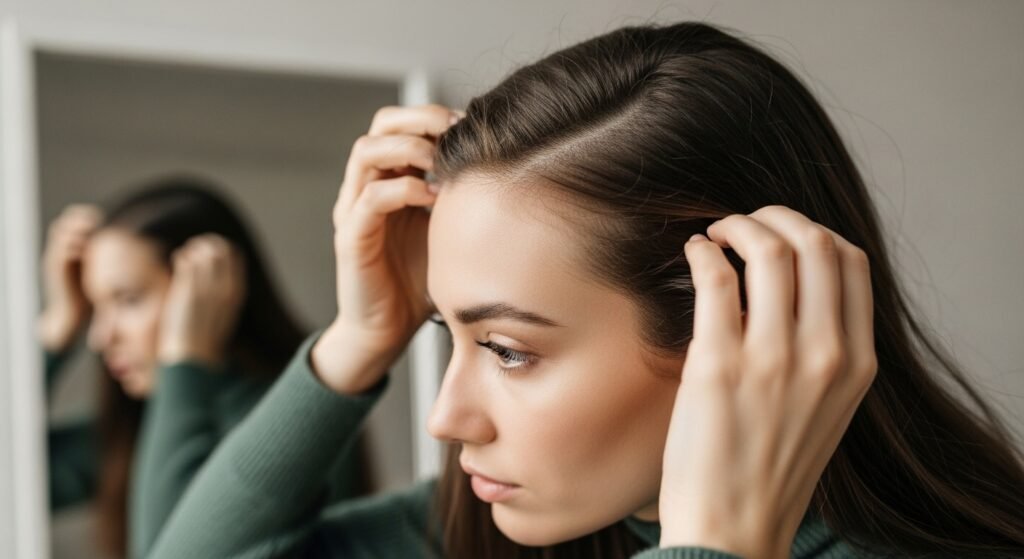
Traction alopecia is hair loss caused by prolonged pulling of the hair. Tight ponytails and buns can slowly damage hair follicles, especially when worn daily. In some cases, this type of hair loss can become permanent if the habit continues for too long.
Increased Hair Breakage and Visible Damage
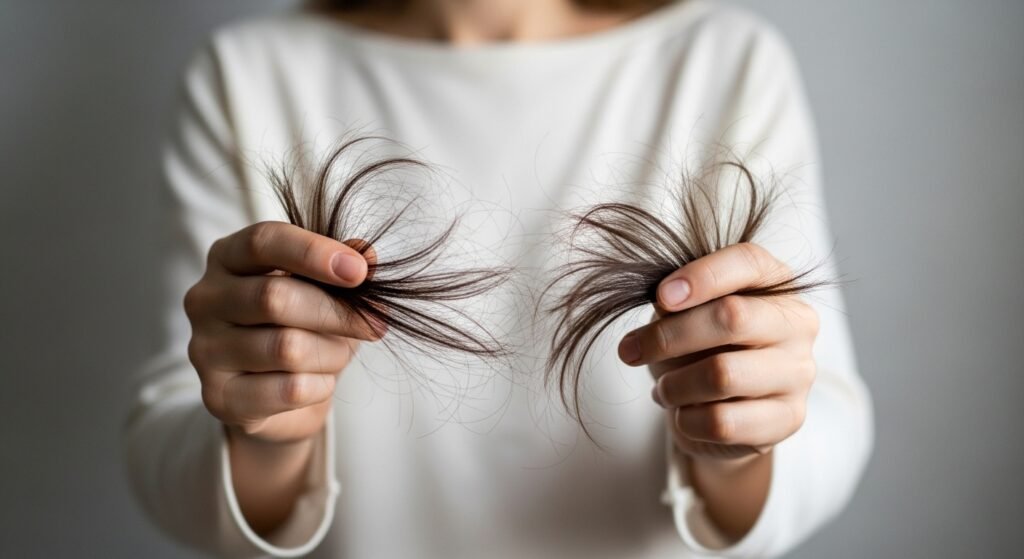
When hair is stretched tightly, it becomes more likely to snap. Over time, thai leads to breakage, split ends, and uneven lengths. Hair may start to look thinner and dull, even if you’re using good hair products.
Extra Stress on the Hairline and Baby Hairs

The hairline contains the most delicate strands, often referred to as baby hairs. Slicked- back styles flatten and strain these fine hairs, causing thinning and patchy regrowth. Once damaged, baby hairs can take a long time to recover.
Heavy Product Buildup on the Scalp
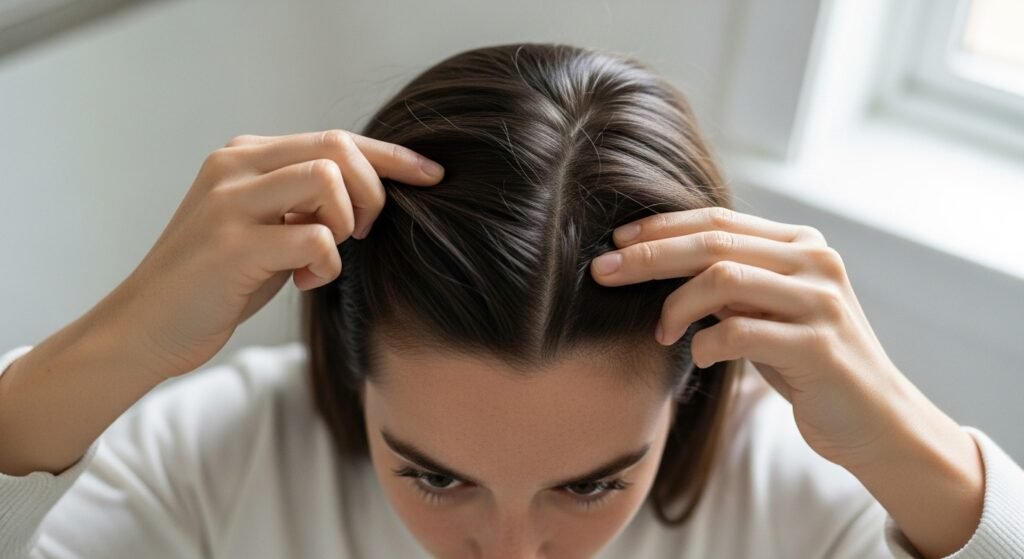
Achieving a slicked- back look usually requires gels, sprays, or creams. Frequent use of these products can build up on the scalp, clog pores, and cause irritation. This buildup can interfere with healthy hair growth if not removed properly.
Reduced Blood Circulation to Hair Follicles
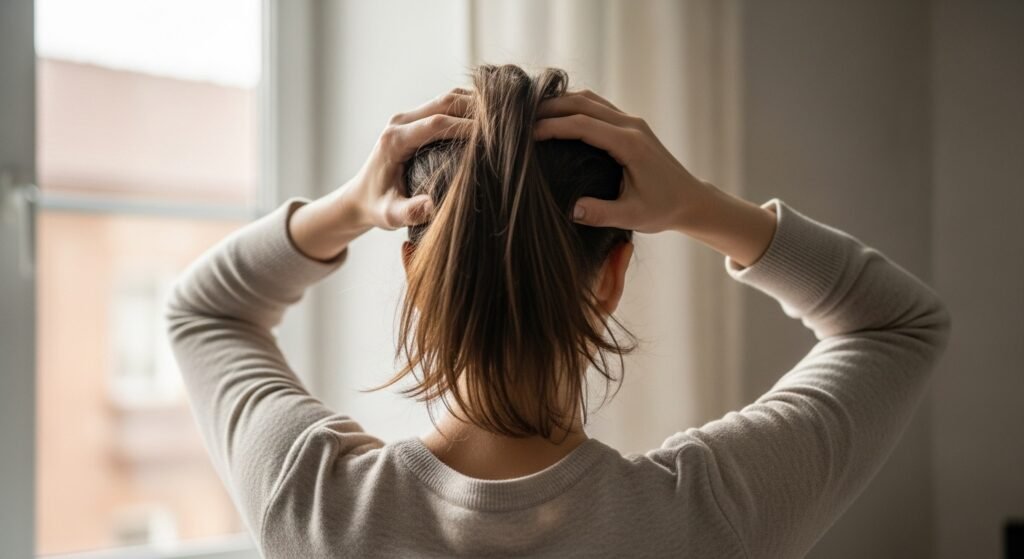
Tight hairstyles can restrict blood flow to the scalp. Poor circulation means hair follicles receive fewer nutrients and oxygen. Over time, this can slow down hair growth and weaken strands from the roots.
Scalp Sensitivity, Pain, and Headaches
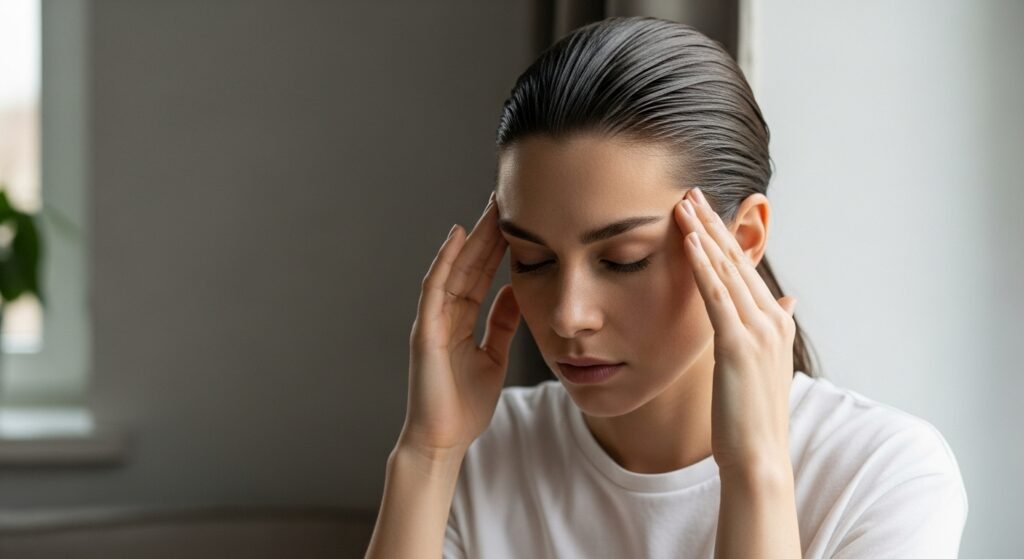
If your scalp feels sore or you experience headaches after wearing a slicked- back style, it’s a warning sign. Pain and tenderness indicate excessive tension, which can lead to long term damage if ignored.
Hair Becomes Dependent on Styling Products
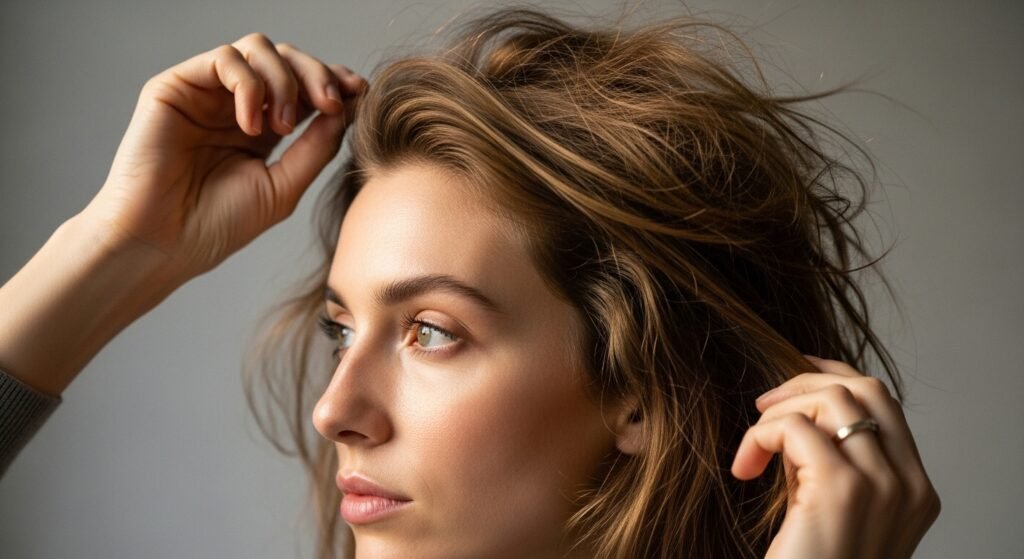
Frequent use of strong- hold products can dry out hair and strip it of natural oils. Over time, hair may lose its softness and shine, making it harder to style naturally without relying on the products.
Damage Builds Slowly and Often Goes Unnoticed
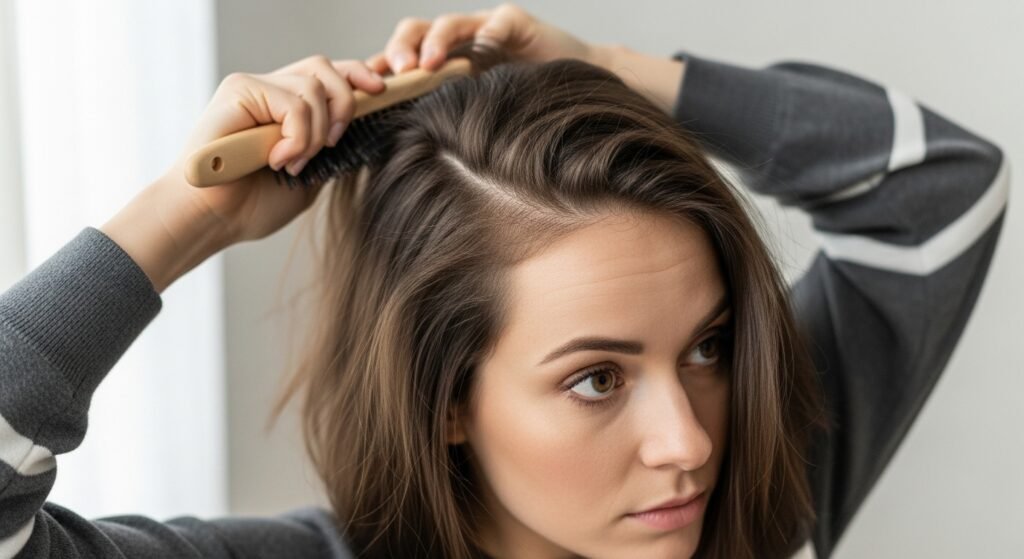
The damage caused by slicked- back hairstyles doesn’t happen overnight. It develops gradually, which is why many people don’t notice the issue until hair thinning or breakage becomes obvious and harder to reverse.
Healthier Hairstyles Can Still Look Stylish
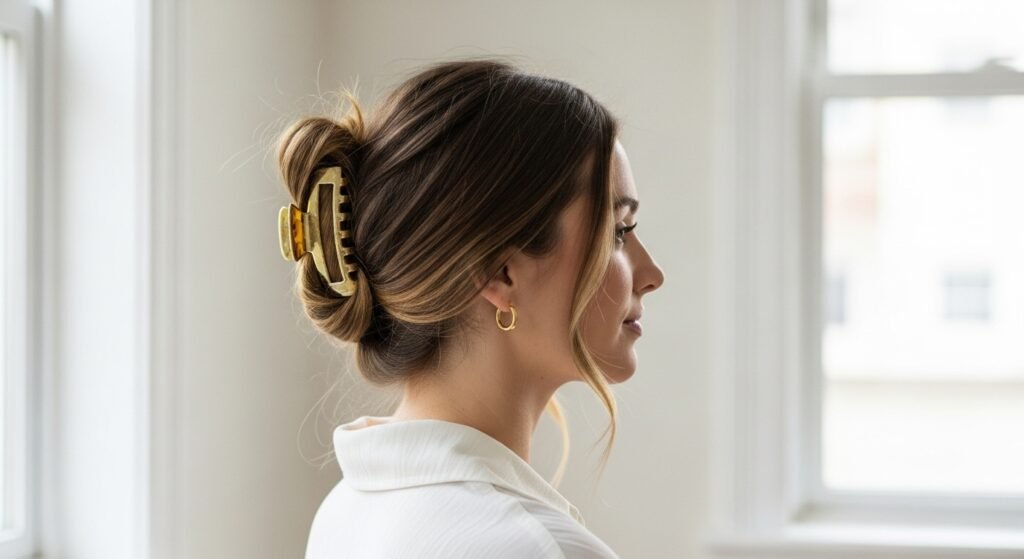
You don’t have to give up the polished look completely. Looser, ponytails, low buns, claw clips or soft braids reduce tension while still looking neat. Rotating styles gives your hair time to resta dn recover.
