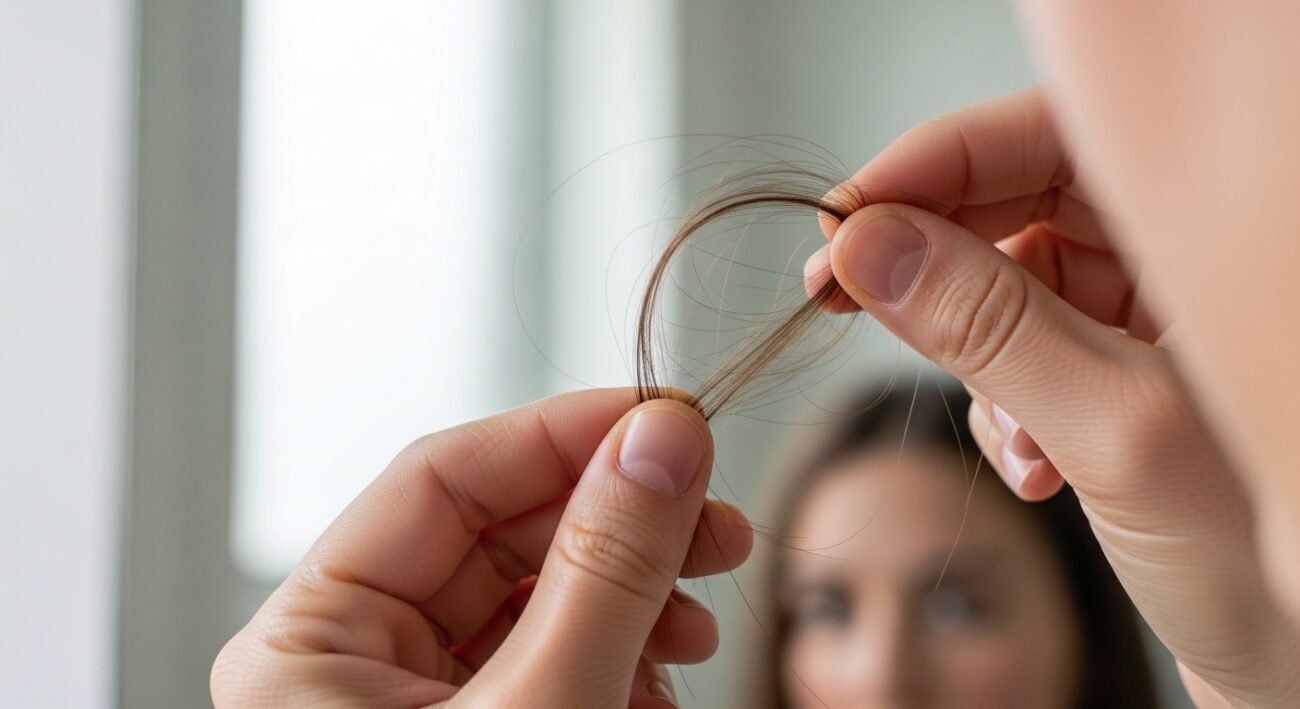
Hair falling out can feel worrying, especially when it seems sudden or excessive. Many people confuse normal hair shedding with hair loss, but the two are not the same. Shedding is a natural part of the hair growth cycle and usually happens when older strands fall out to make room for new ones. Hair loss, however, can involve thinning areas, reduced volume, or slower regrowth over time. Understanding the difference helps you respond calmly and choose the right care routine. Small changes in daily habits, scalp care, and nutrition can support healthier hair and reduce unnecessary concern about normal hair changes.
Understanding Natural Hair Shedding
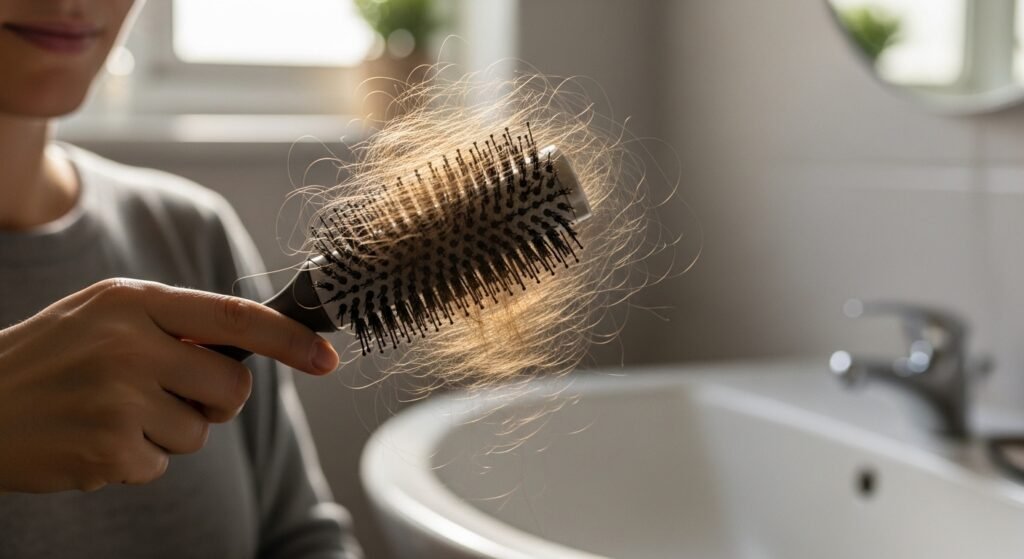
Hair shedding is a normal biological process. Most people lose several strands each day as part of the growth cycle. These hairs usually grow back naturally. Shedding often increases temporarily during seasonal changes or stressful periods.
Recognizing Signs of Hair Loss

Hair loss is different from routine shedding. You may notice widening part lines, thinning ponytails, or visible scalp areas. Unlike temporary shedding, hair loss often continues for longer periods and may affect specific areas.
Pay Attention to the Scalp
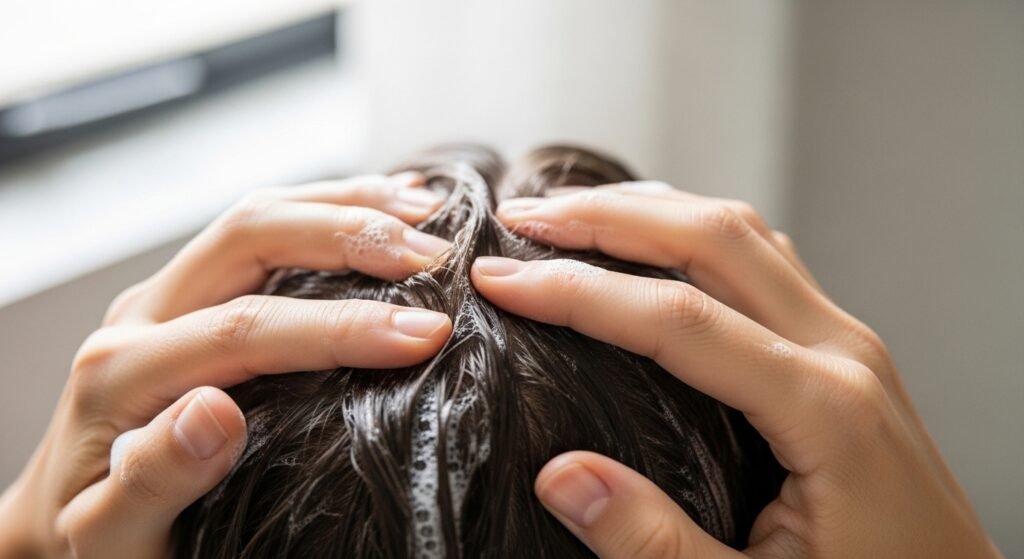
A healthy scalp supports strong hair growth. Dryness, irritation, or buildup can weaken hair roots. Gentle cleansing and proper scalp care help maintain a balanced environment where hair strands can grow normally.
Notice Changes in Hair Volume
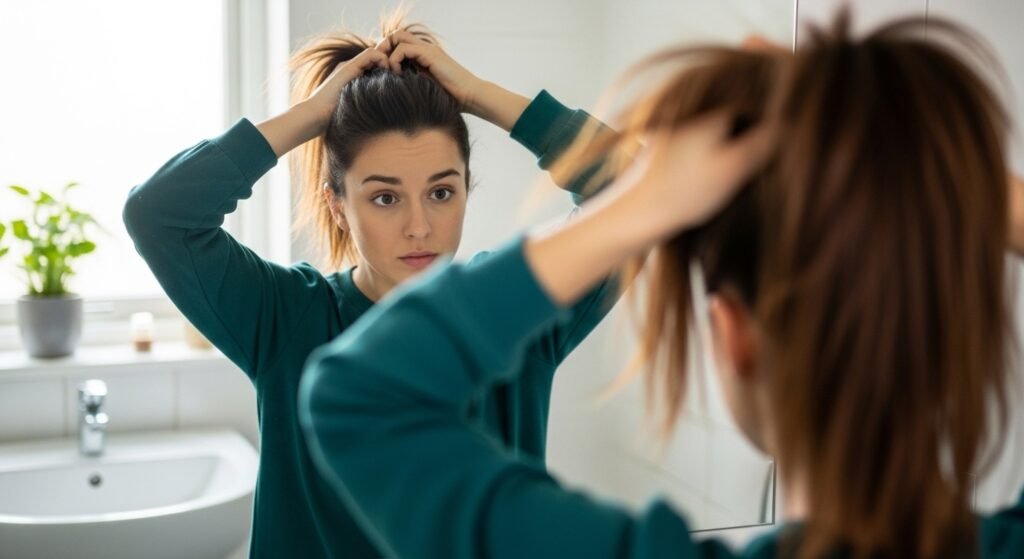
Temporary shedding rarely changes overall hair density. Hair loss, however, often causes gradual reduction in volume. If your hairstyle feels lighter or less full over time, it may indicate more than simple shedding.
Manage Daily Stress Levels

Stress can influence the body in many ways, including hair cycles. Short periods of stress sometimes increase shedding temporarily. Relaxation practices, regular sleep, and balanced routines support overall hair health.
Maintain a Balanced Diet

Hair depends on nutrients for strength and growth. Meals rich in proteins, vitamins, and minerals support healthy strands. A balanced diet with fruits, vegetables, and whole foods helps maintain strong hair structure.
Choose Gentle Hair Care Practices
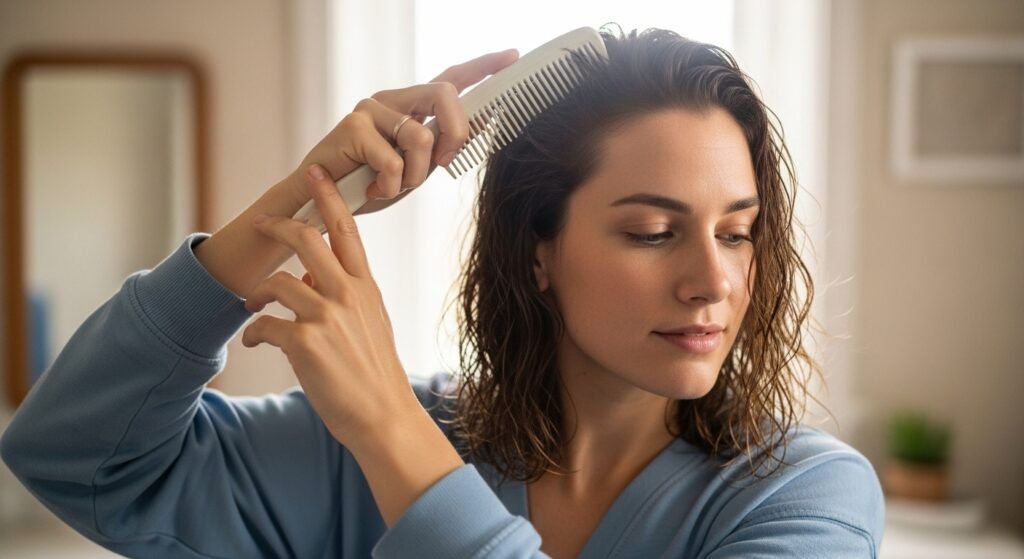
Rough brushing, tight hairstyles, and excessive heat styling can weaken strands. Gentle handling helps reduce unnecessary breakage. Using mild shampoos and soft towels keeps hair healthier and minimizes stress on roots.
Watch for Seasonal Changes
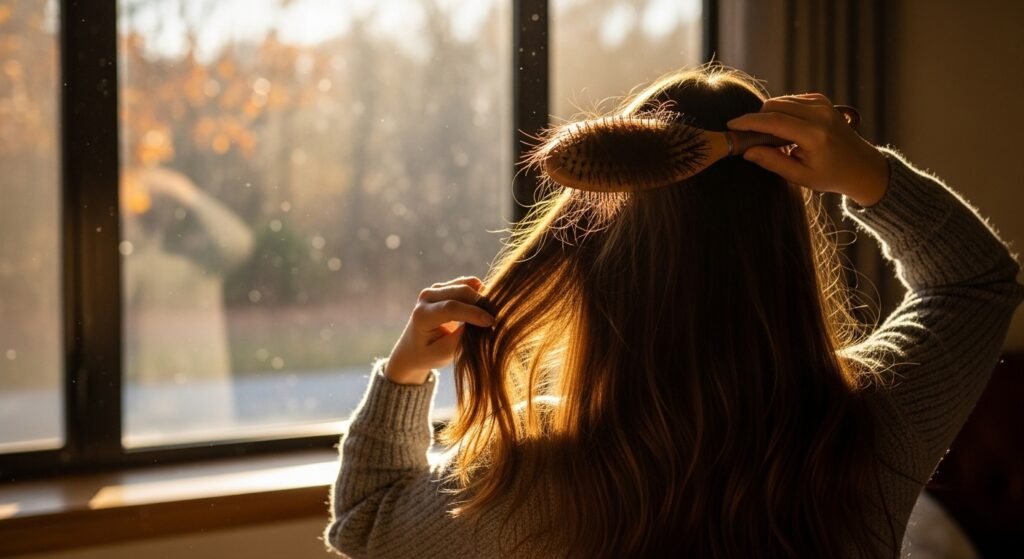
Some people notice slightly increased shedding during certain months of the year. This seasonal shift is usually temporary. Hair growth normally returns to its usual pattern once the body adjusts.
Monitor Long-Term Hair Patterns

Keeping track of how your hair behaves over several months helps identify real changes. Occasional shedding is common, but ongoing thinning or slow regrowth may suggest a different concern worth observing carefully.
Support Hair with Consistent Care

Healthy hair habits work best when followed regularly. Gentle cleansing, balanced nutrition, and scalp care create a supportive environment for hair growth. Consistency helps maintain strong, resilient strands over time.
