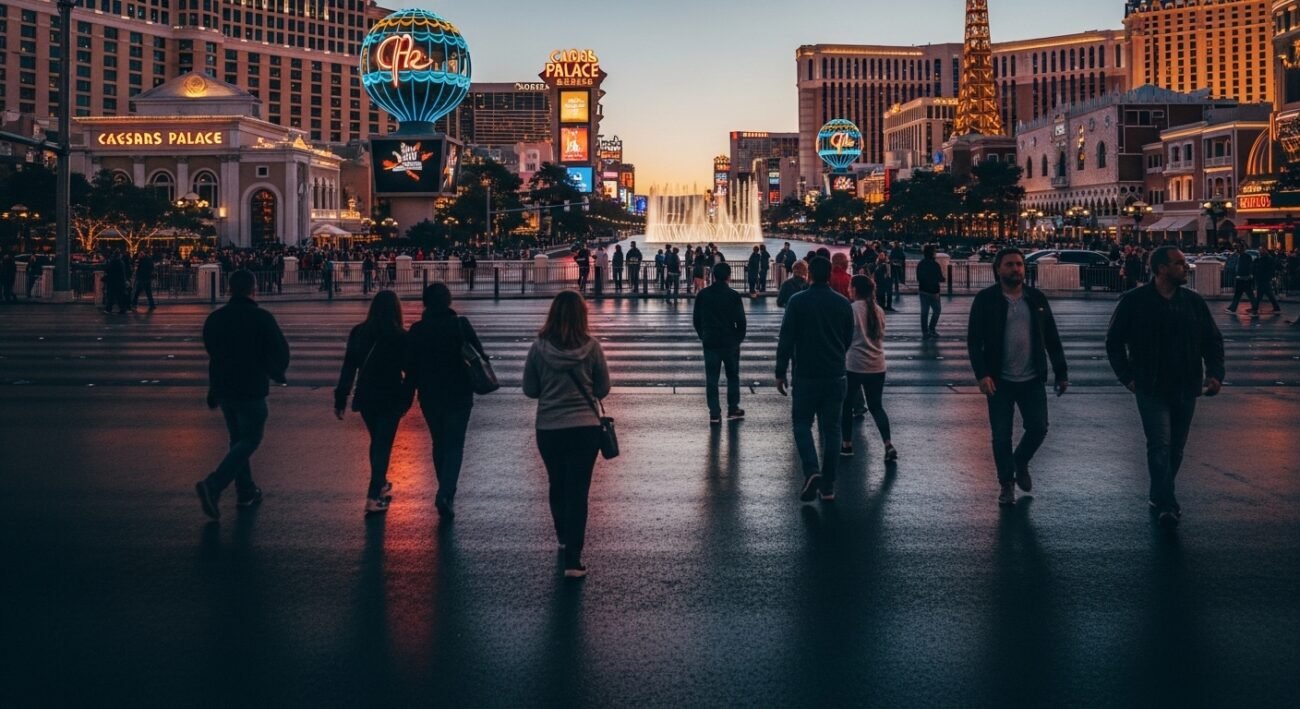
For decades, Las Vegas has been a favorite escape for Americans seeking bright lights, live shows, and a quick break from routine. Yet in 2026, travel patterns are shifting. Many travelers are reconsidering their plans and looking beyond the familiar Strip. Rising costs, crowded venues, and changing entertainment preferences are reshaping decisions. Some visitors say the experience feels different from what they remember. Others are drawn to quieter destinations that offer space and nature. The appeal of Las Vegas remains strong, but a growing number of Americans are choosing alternative trips that better match their priorities.
Rising Travel Costs

Airfare, resort fees, and dining prices have climbed steadily. Visitors often find the total cost higher than expected. For budget-conscious travelers, other destinations now seem more practical and less financially stressful.
Expensive Resort Fees

Many hotels on the Strip add daily resort charges. These fees cover basic amenities. Guests sometimes feel surprised at checkout. The added expense can reduce overall satisfaction with the stay.
Crowded Tourist Zones
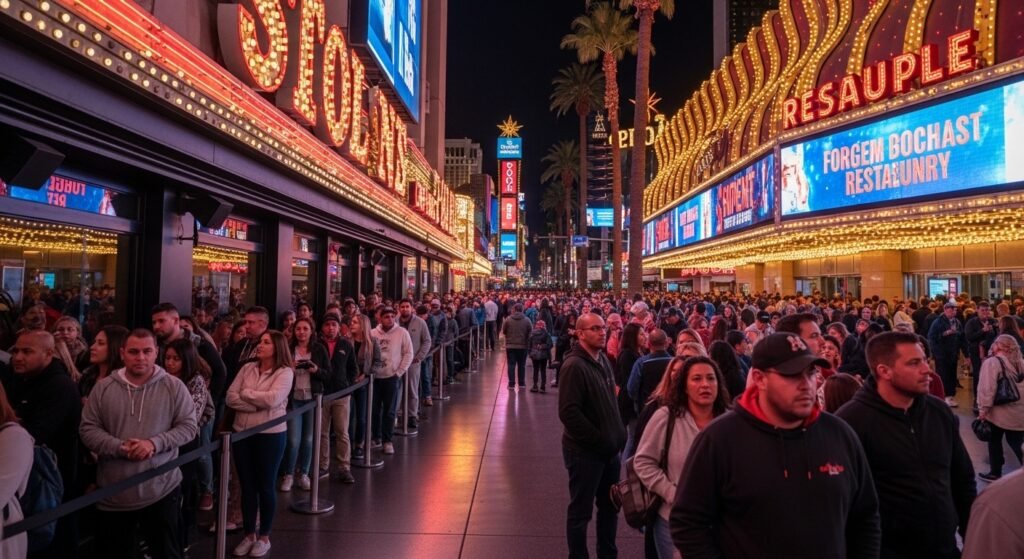
Popular areas remain busy throughout the year. Long lines for shows and restaurants test patience. Some travelers now prefer places where they can relax without constant noise and congestion.
Changing Entertainment Preferences
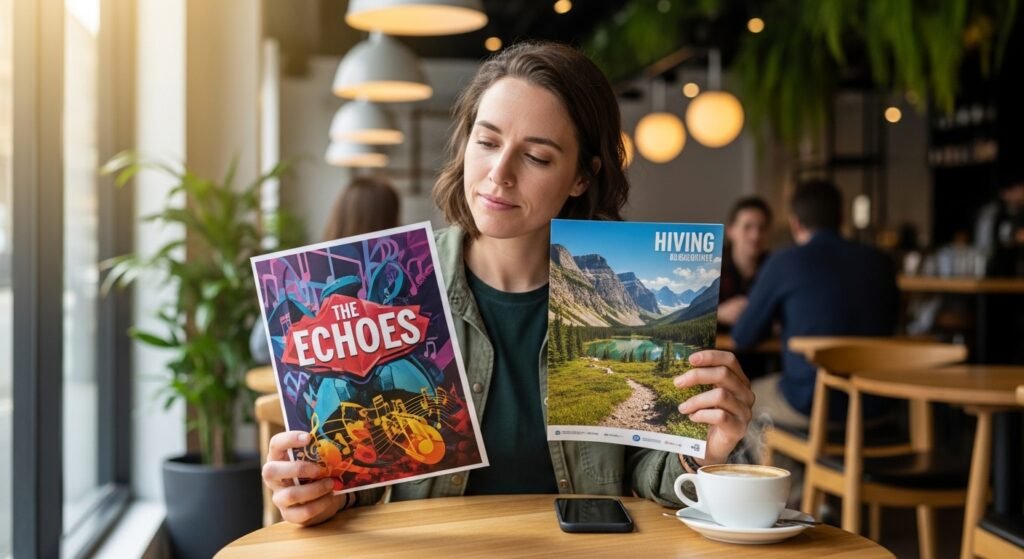
Entertainment tastes are evolving. Travelers seek cultural festivals, outdoor adventures, or wellness retreats. While Las Vegas offers variety, some feel other cities provide fresher and more diverse experiences.
Focus on Outdoor Getaways
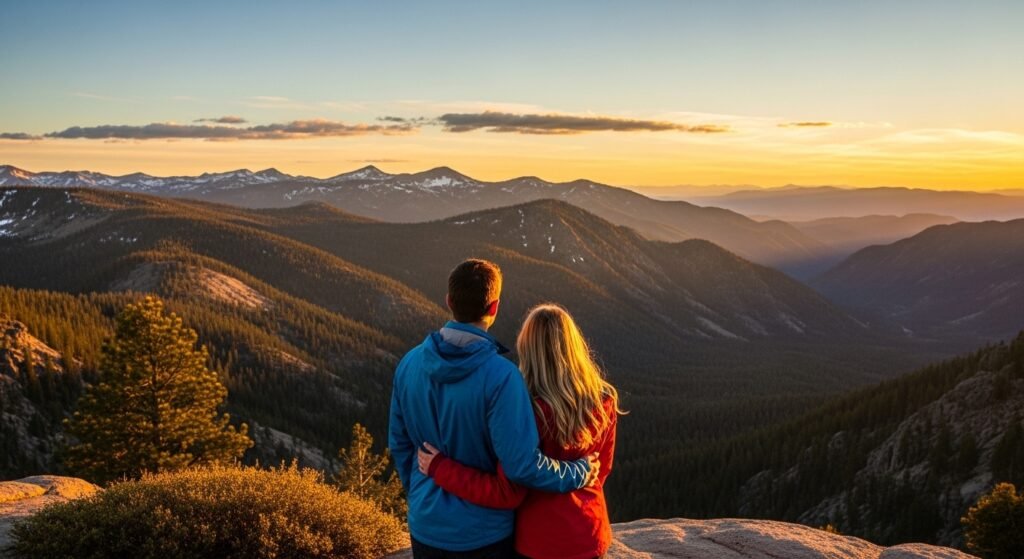
National parks and coastal towns attract those wanting scenic landscapes. Natural settings provide calm and open space. Compared to desert heat and bright lights, nature feels refreshing and restorative.
Heat Concerns
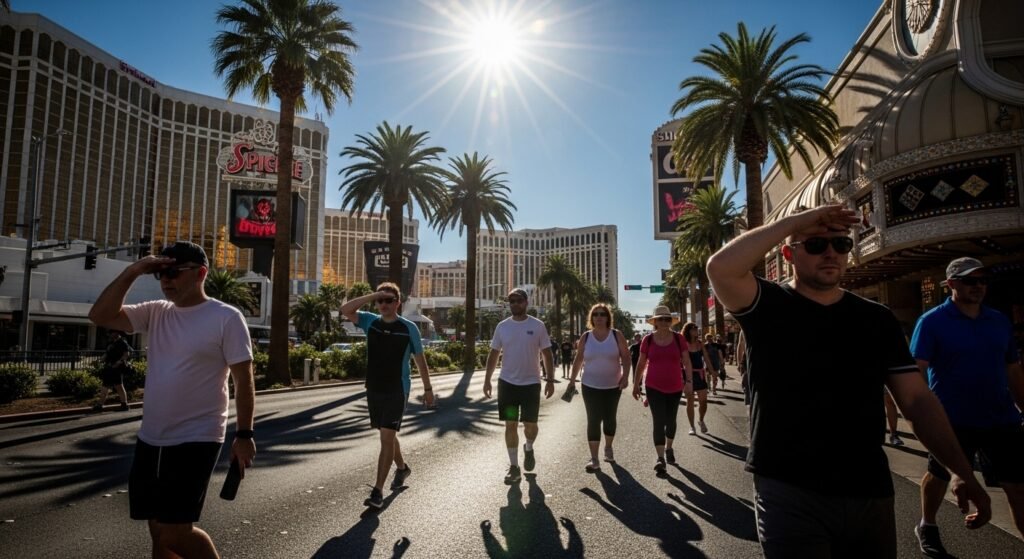
Summer temperatures in Nevada often rise above comfort levels. Extended outdoor walking becomes tiring. Travelers sensitive to extreme heat sometimes choose cooler regions for vacation comfort.
Economic Uncertainty

With economic pressures affecting households, people review discretionary spending carefully. Shorter road trips replace larger city vacations. Las Vegas can appear less essential compared to simpler escapes closer to home.
Preference for Cultural Exploration

Cities rich in history and architecture are gaining interest. Travelers want museums, heritage districts, and meaningful local interaction. Some feel Las Vegas centers more on entertainment than cultural depth.
Digital Fatigue
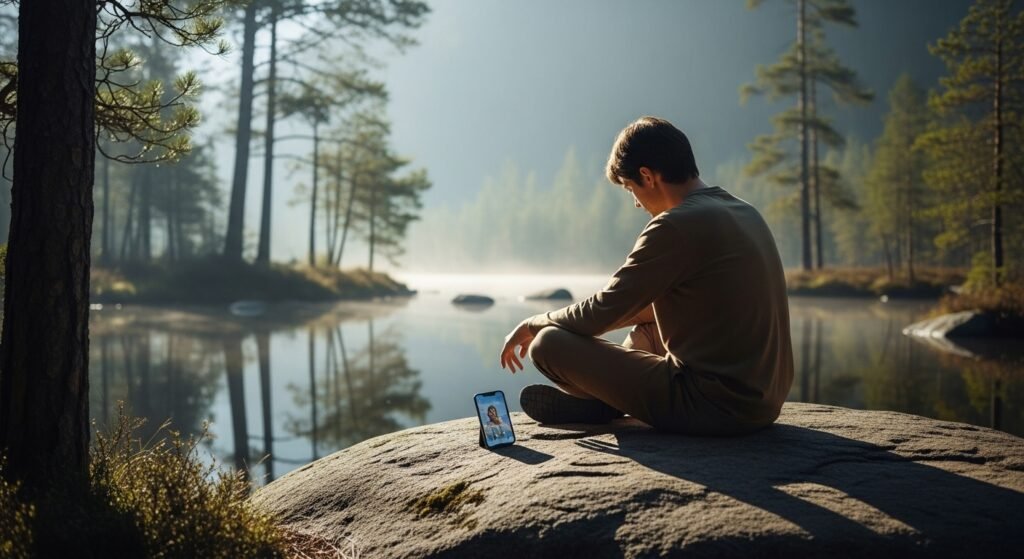
Bright screens and constant stimulation define much of the Las Vegas atmosphere. After years of digital overload, some Americans look for quieter settings that encourage slower schedules and offline moments.
Family-Oriented Travel Trends
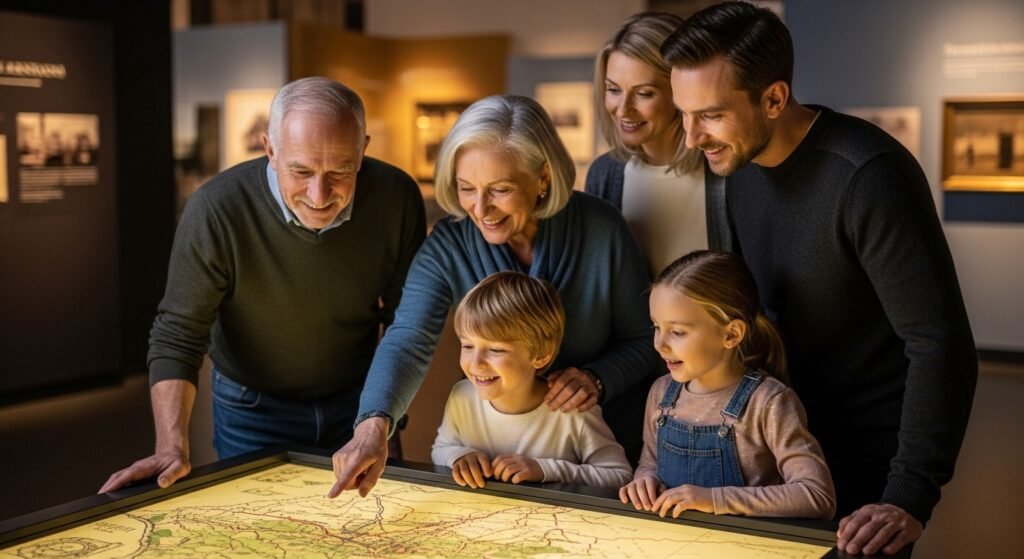
Multi-generational trips are increasing. Families seek destinations with educational attractions and varied activities. While Las Vegas has broadened its appeal, some parents prefer locations traditionally designed for family exploration.
Emerging Alternatives
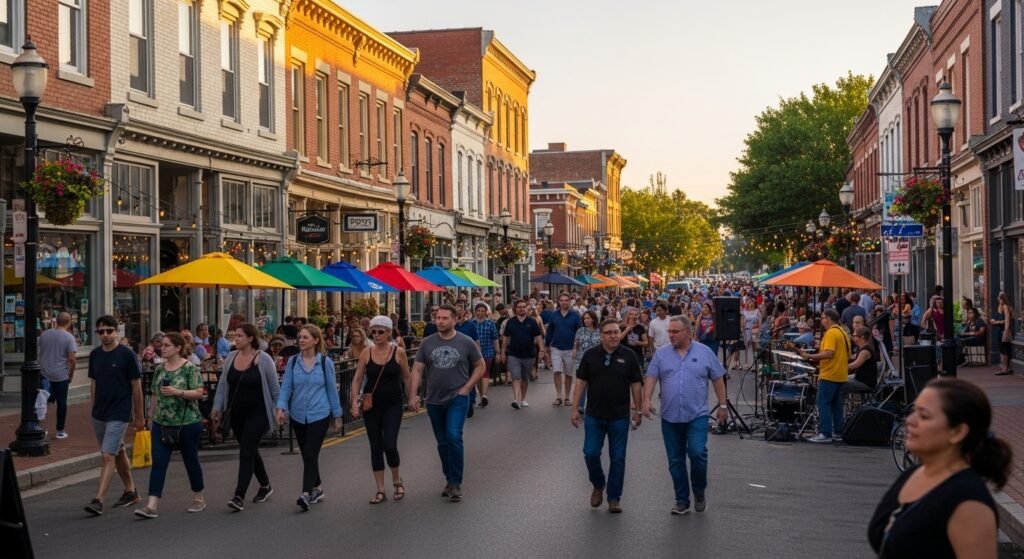
Destinations such as Nashville, Austin, and Charleston are gaining momentum. These cities blend music, food culture, and walkable neighborhoods. Travelers find them vibrant yet approachable, offering experiences that feel both engaging and relaxed.
