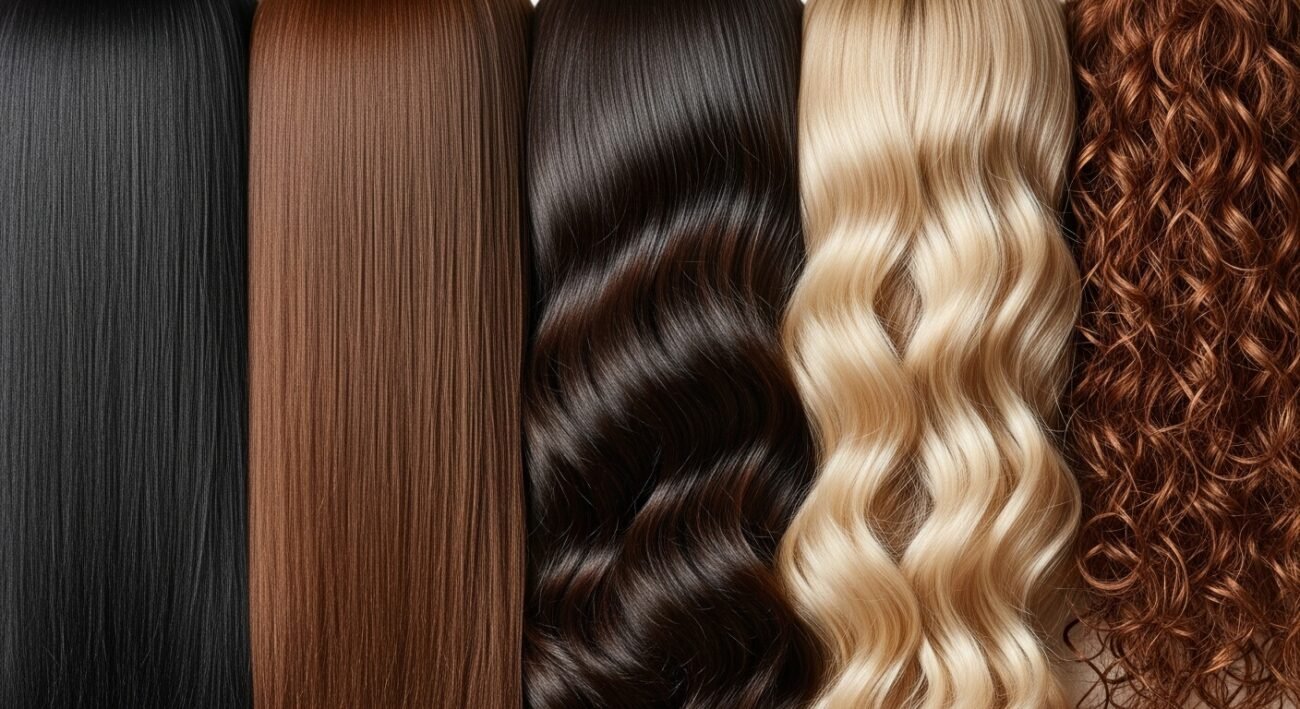
Products do not solely make healthy hair. It is determined by the quality of your strands to absorb and hold moisture. The capability is referred to as hair porosity. Some hair repels water. Some soak it up quickly. There are others that are in between. Once you know what level of porosity you have, then your routine becomes more apparent. You must quit speculating and begin to act discerningly. The issue of dryness, frizz, dullness or limp hair strands tend to be related to porosity. The appropriate amount of moisture and protein may enhance texture and shine with time. Learning your type is simple. The way it looks and feels every time you wake up is all dependent on taking care of it.
What Is Hair Porosity?
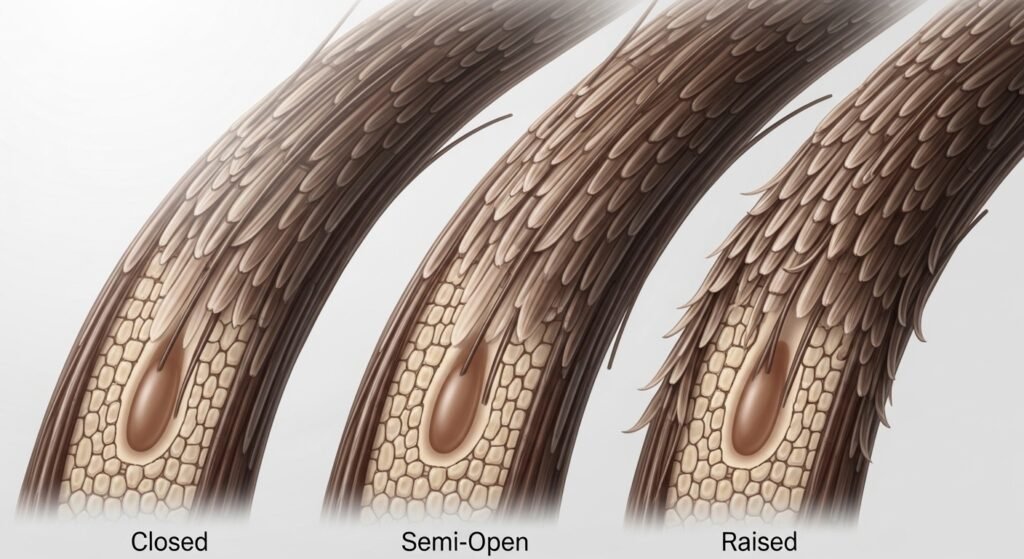
Hair porosity is described as the capacity of the hair to absorb and hold moisture. It is relying on the state of the cuticle layer. The closed cuticles are water resistant whereas raised cuticles permit water to infiltrate, very fast.
Signs of Low Porosity Hair
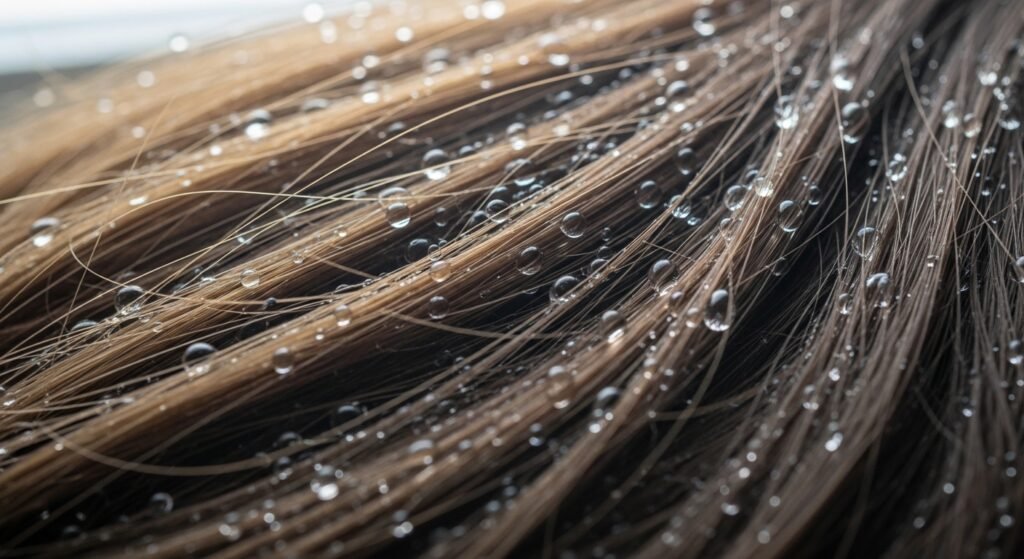
Hair that is low in porosity is usually soft but it does not absorb water. The products are bound to lie at the surface. It takes a long time to get wet entirely and the time it takes after washing is most often slow to dry.
Caring for Low Porosity Hair
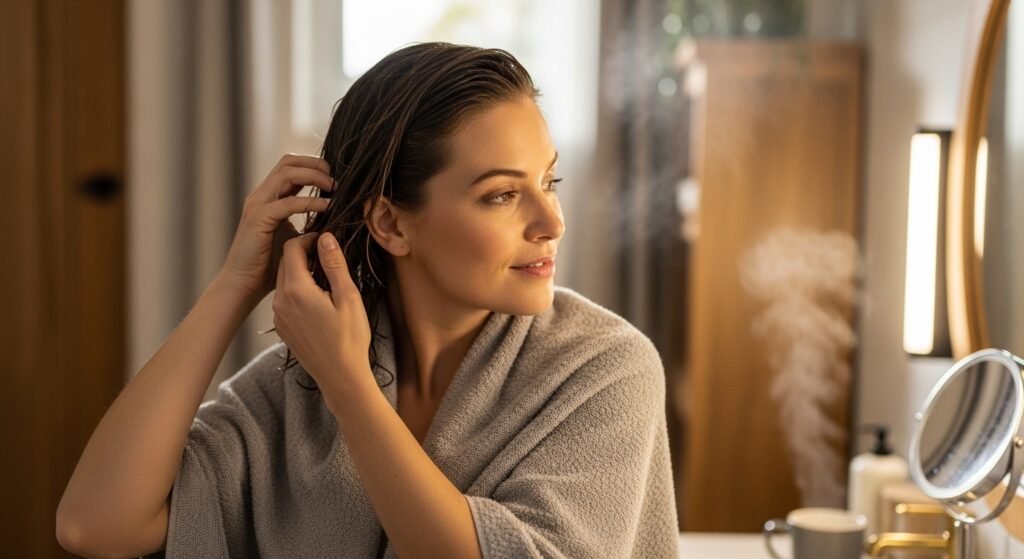
Apply light water products which are not heavy. To enhance absorption, warm water is used to make the cuticle ajar. Conditioning can also be enhanced by gentle heat to enhance moisture penetration.
Signs of Medium Porosity Hair
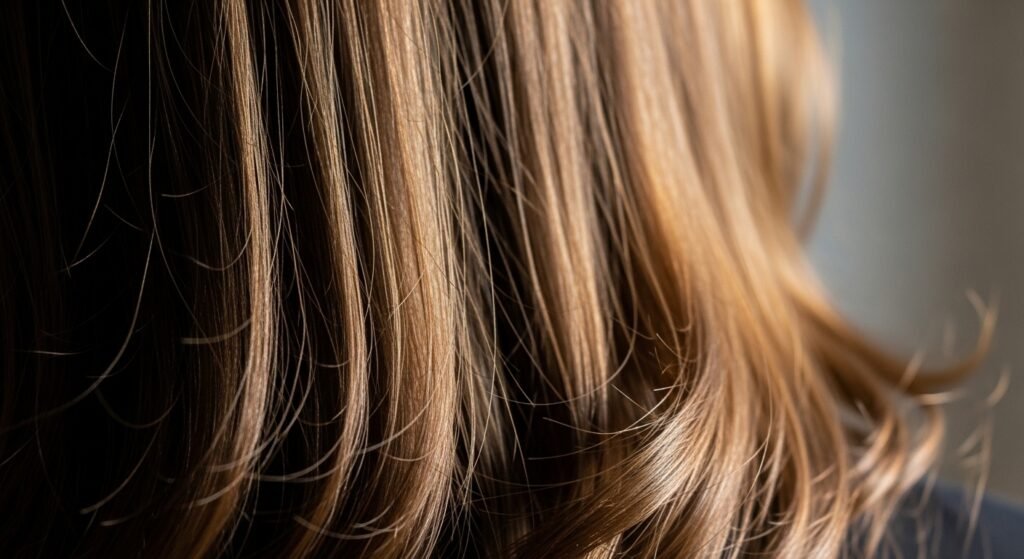
Medium porosity hair always appears well balanced and healthy. It has an easy time getting soaked and holding it. It is a kind of style that stays relatively untangled up without being too dry or cumbersome.
Signs of Medium Porosity Hair
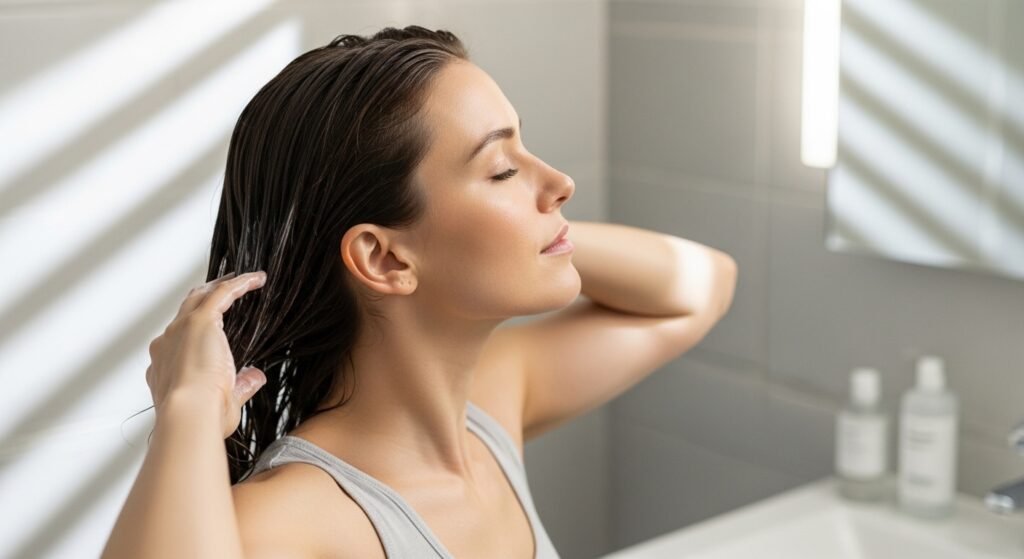
Have a balanced diet and plenty of water and protein. Heavy products should not be used on hair. Frequent conditioning and a few deep treatments will maintain the strength and shine.
Signs of High Porosity Hair
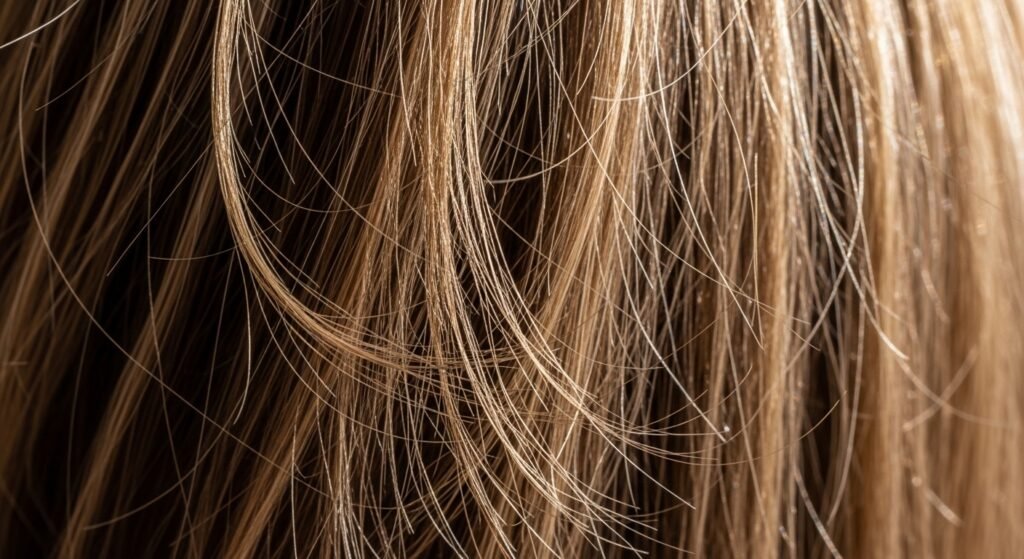
The porosity of hair is high, and water is absorbed rapidly although it is expelled equally. It can be dry, coarse or frizzy. This condition is usually caused by coloring, heat styling and environmental stress.
Caring for High Porosity Hair
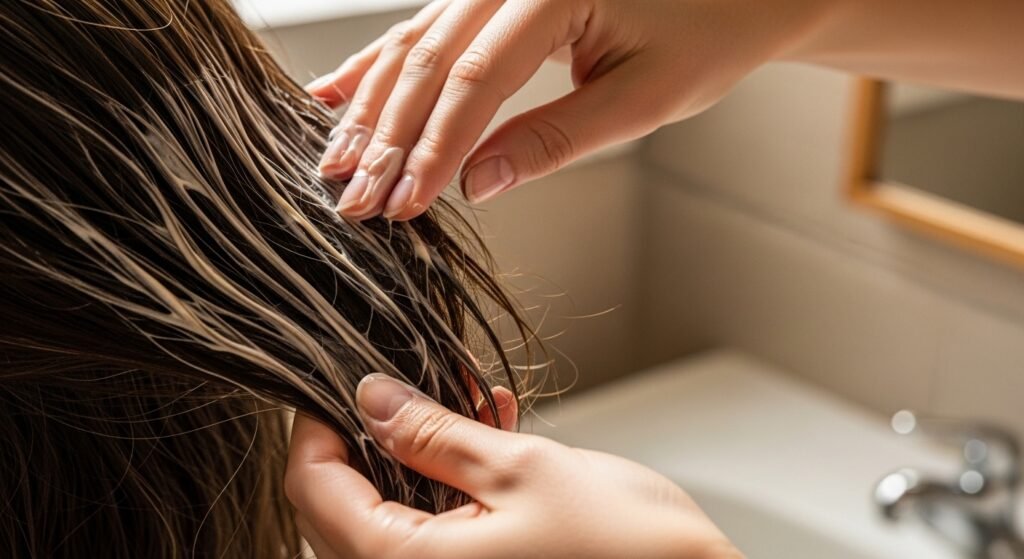
Apply a more intensive cream and leave-in conditioner to seal in moisture. Trapping of products is used to protect moisture. Weak strands can be supported using protein treatments and enhance the overall structure.
The Simple Water Test
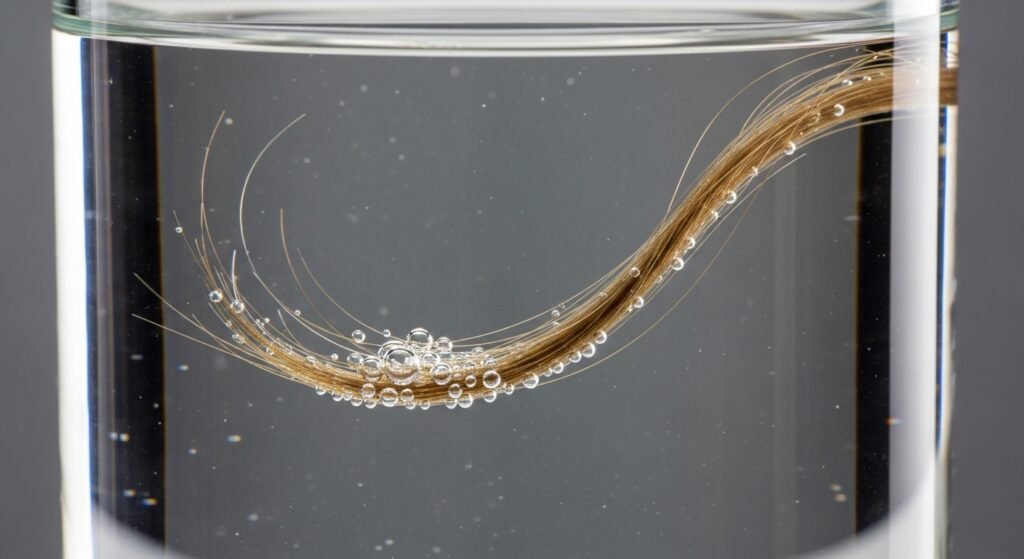
Take a strand of hair, clean it and put it in a glass of water. With a long time of floating, chances are low of low porosity. In case it sinks fast, then it can be porous.
Choosing the Right Oils
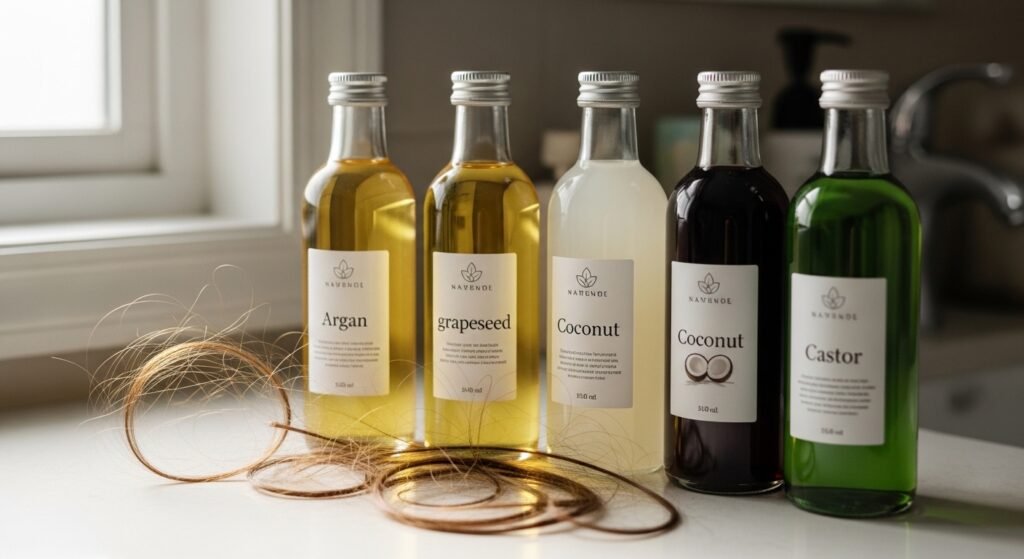
Argan or grapeseed oil is more suitable when dealing with hair that has low porosity. High porosity strands may be enhanced by using thicker oils such as castor or coconut which tend to keep hydration locked in.
Building a Consistent Routine
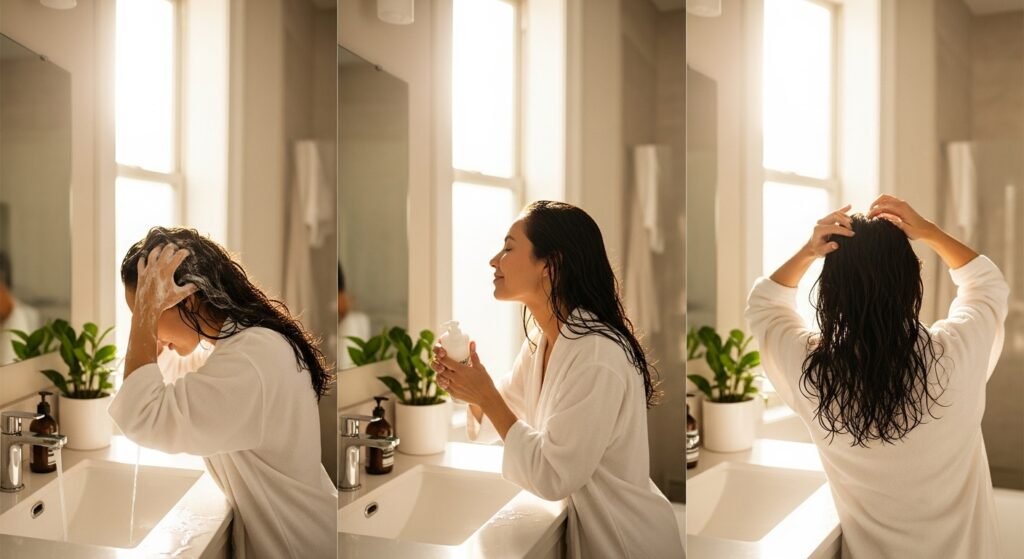
It is important to remain the same rather than change the product all the time. Depending on the porosity of your hair, you need to wash, condition your hair and treat it. Minor changes throughout time lead to distinctly noticeable texture changes as well as handling.
