
The way people approach hair care is changing and more women are taking scalp health as the basis of stronger and healthier hair. Rather than focusing on strands exclusively, a focus on having a clean and balanced environment of the head is changing. This increasing popularity is a sign of shifting beauty demands, in which prevention and long-range care are now valued more than short-term solutions. Scalp first treatments are entering the daily activities starting with gentle exfoliation up to nourishing practices. It has become widely known that healthy hair starts at the roots, and taking care of the scalp is an important action that is not used occasionally. This movement reveals the increased awareness of overall hair health and conscious self-care.
Gentle Scalp Cleansing
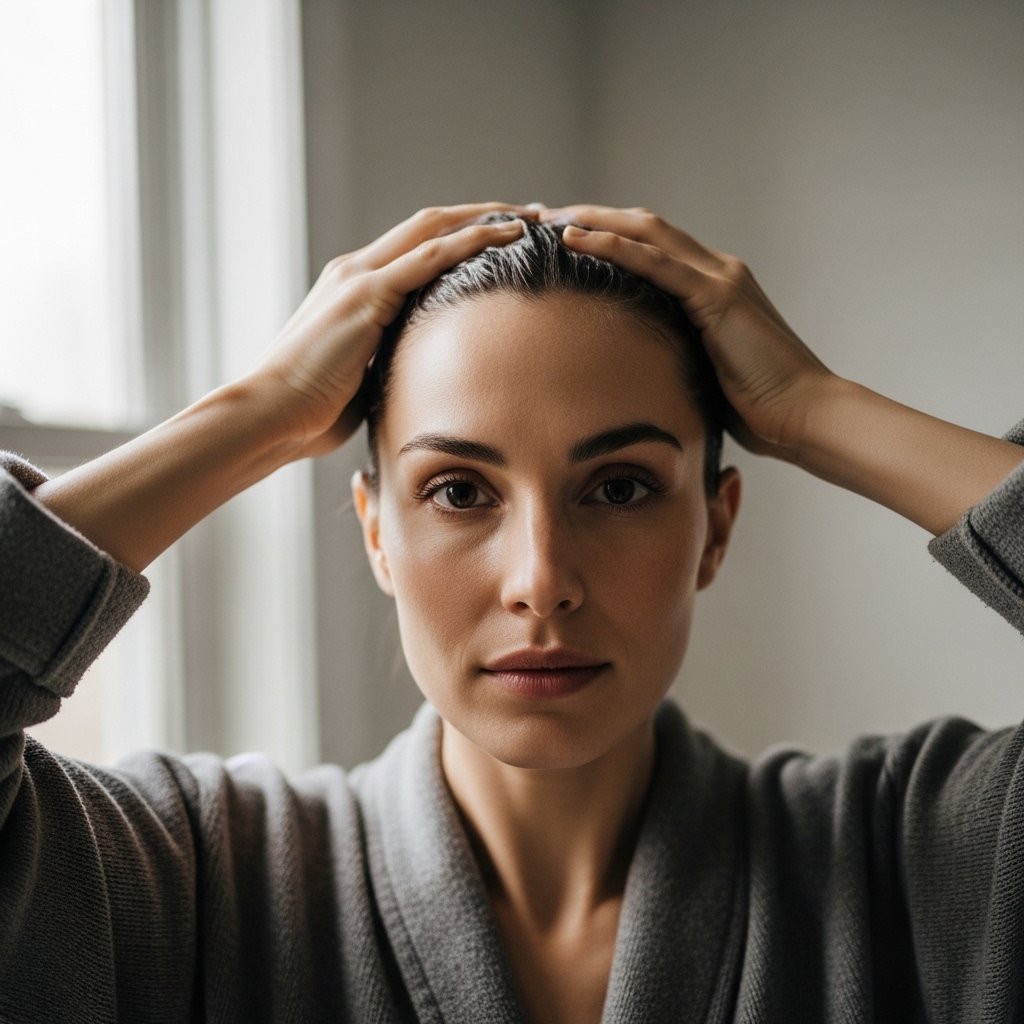
Women are opting to use gentle cleansers that do not leave on deposits, but rather wash them off. These products contribute to obtaining scalp equilibrium as well as hair robustness. The frequent washing of the area will ensure that the pores are clean to provide a healthier foundation to support hair growth and comfort evenly.
Regular Scalp Exfoliation
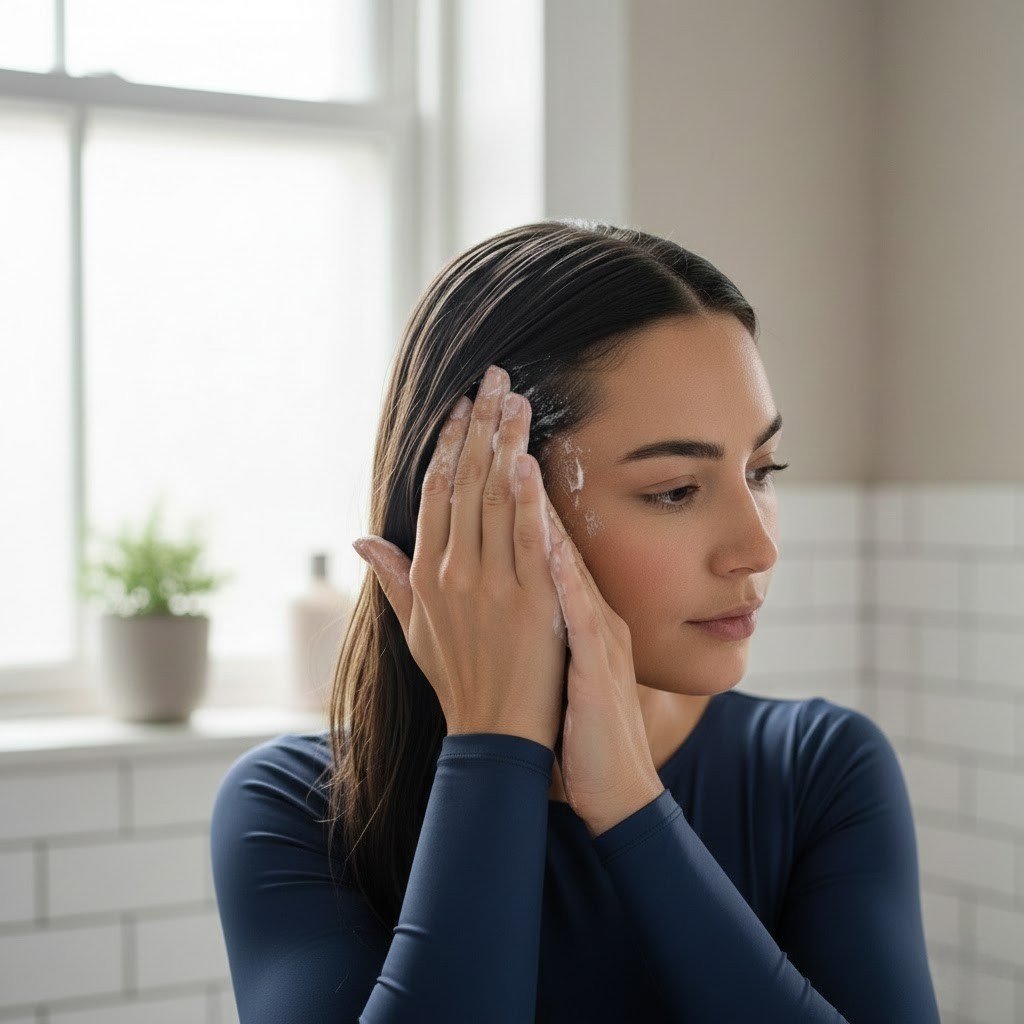
Scalp exfoliation is an emerging trend because it removes dead skin and residues. This is the process which enhances purity and freshness. It has become common practice to have weekly exfoliation as a part of a workspace to aid in the increased absorption of products and a healthy scalp environment.
Nourishing Scalp Oils

The application of natural oils to the scalp is very common in order to dampen dryness. They assist in softening the skin and providing comfort. The frequent use of oil massage also facilitates relaxation and therefore massaging the scalp serves as a routine care as well as a form of relaxation.
Focus on Root Health

There is a shift towards supporting hair at the roots as opposed to just dealing with the top. Healthy roots assist in having good strands in the long run. This would promote regular care practices which focus on long term durability of hair and natural shininess.
Lightweight Scalp Serums
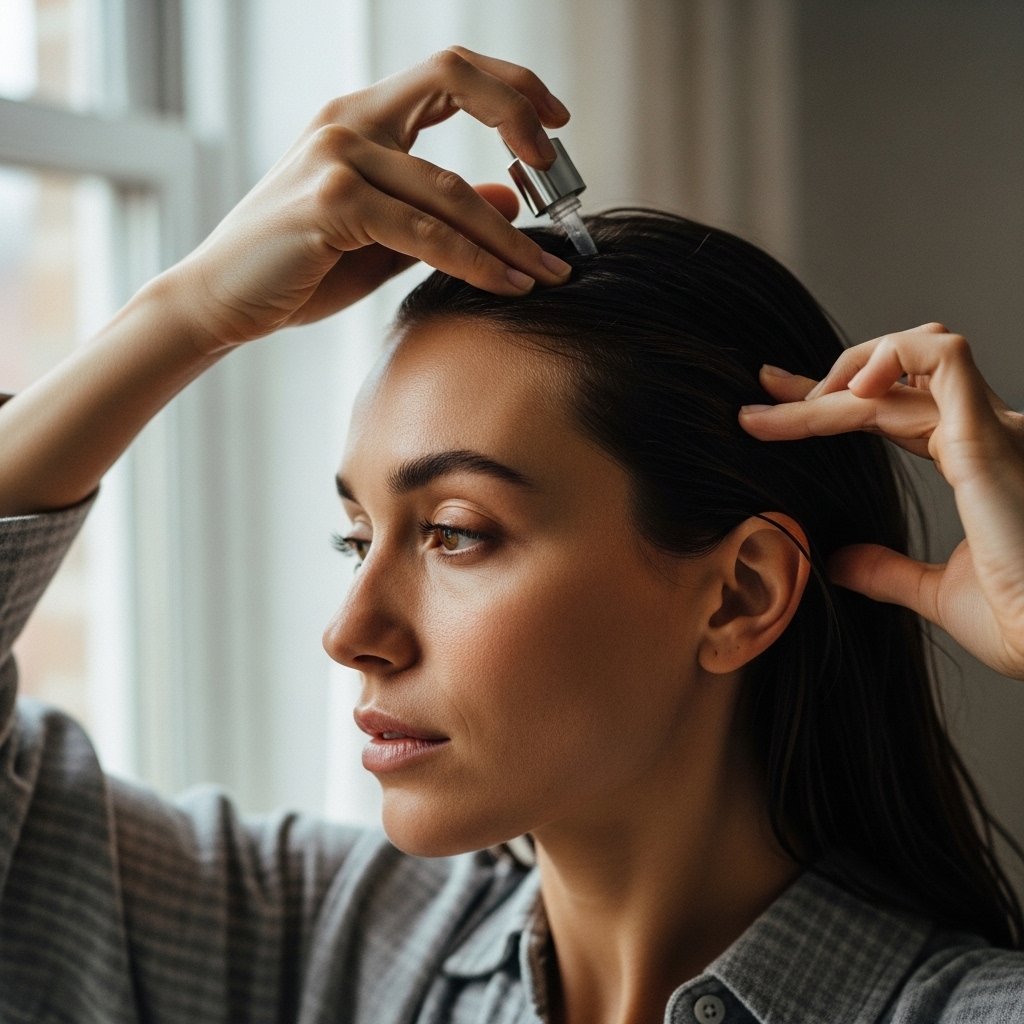
Lightweight serums are being favored due to ease of application and rapid absorption. They aid in body hydration and balance, but do not leave any heavy residue. The products can easily be incorporated in everyday life and provide easy yet practical care of the scalp.
Protective Styling Choices
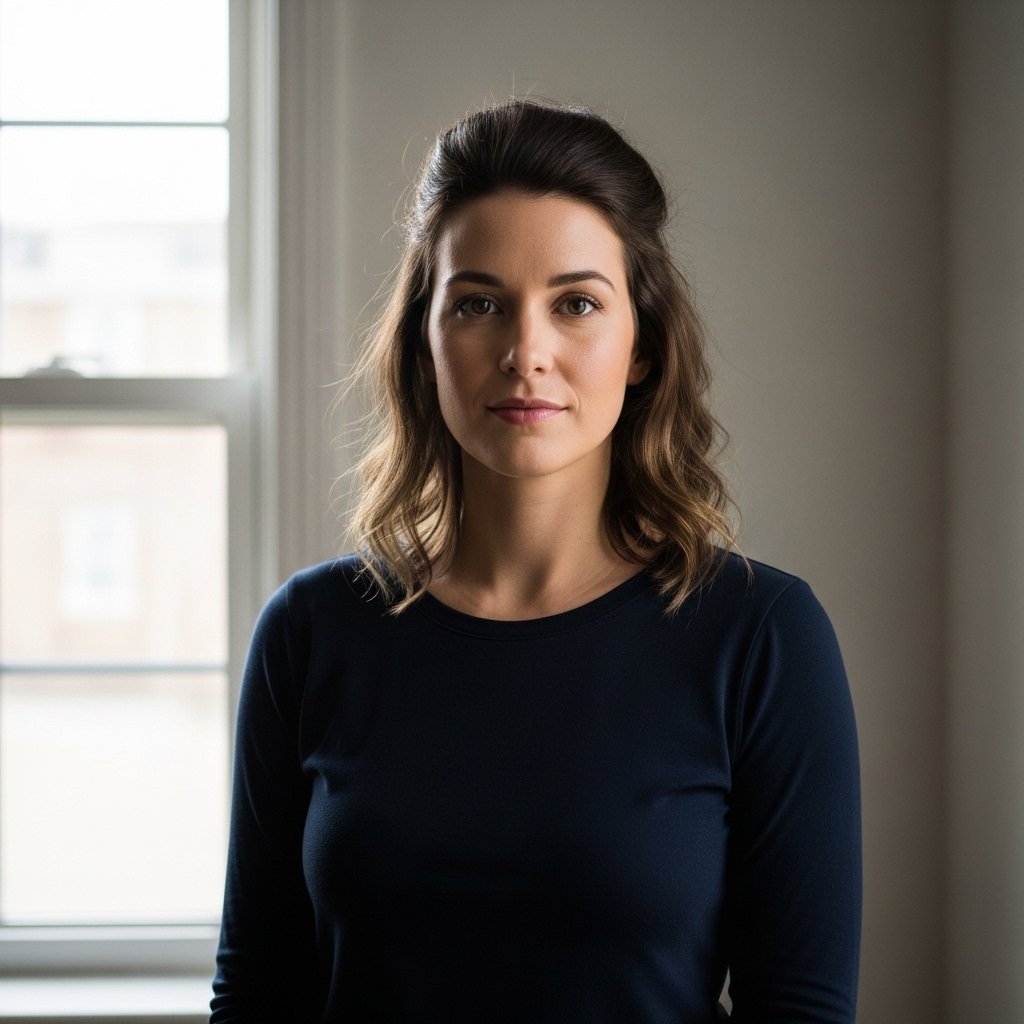
It is now a favorite to have hairstyles that do not place tension on the head. Light styling techniques prevent stress which is not necessary on hair roots. The habit promotes comfort to the head and preserves the hair structure, which promotes improved healthier growth patterns in the long run.
Balanced Washing Routines
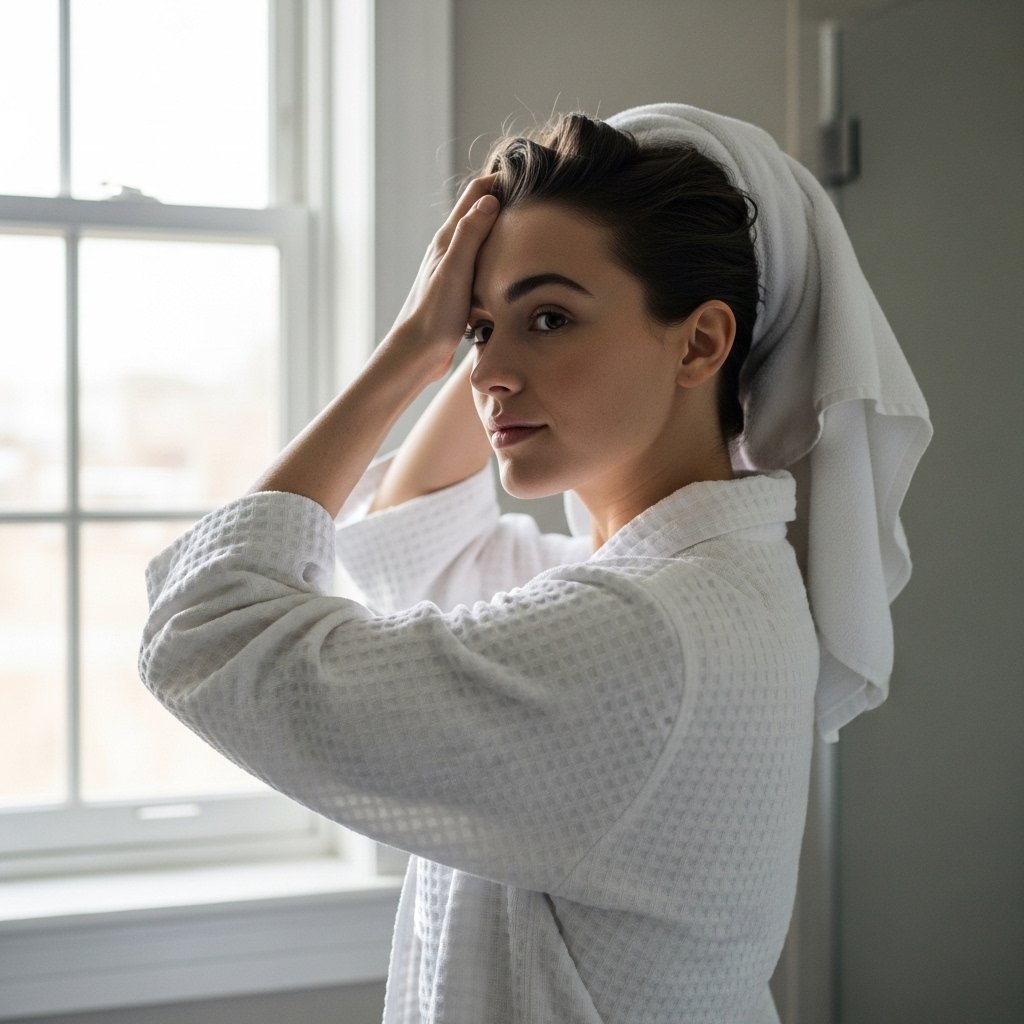
Most women are adapting their hair washing to the scalp requirements. The combination of regular activity and exercise will avoid overdressing or over-oiliness. This individual custom is indicative of increased consciousness on the need to keep the scalp in the natural state.
Scalp Massage Techniques

Scalp massage is treasured as circulation boosting and relaxation. Basic massage procedures are usually put down as part of weekly or daily routine. It is an activity that promotes general scalp care and at the same time provides a personal experience of mind-body wellness.
Ingredient Awareness
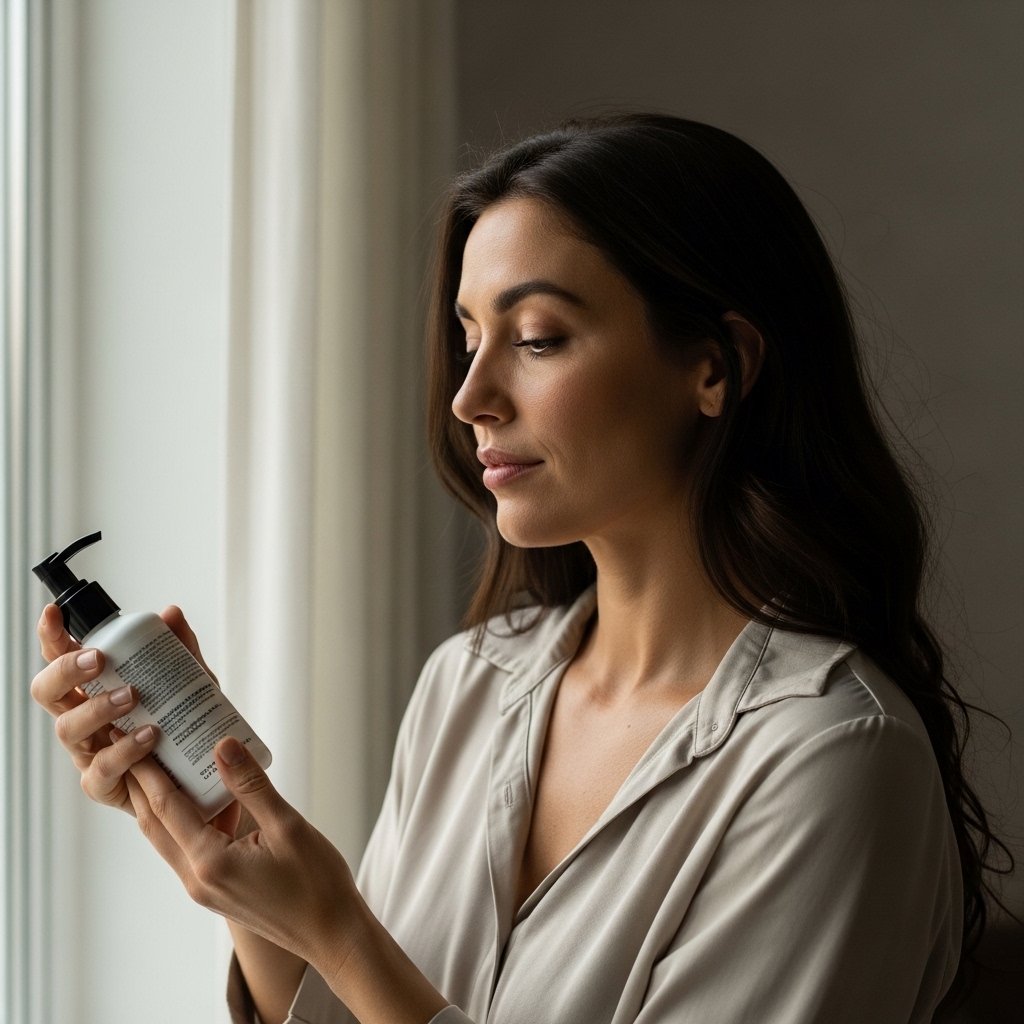
Customers are increasingly concerned with the ingredients that make up the products as well as the role of these on the health of their scalp. Caressing and supportive recipes are chosen. This knowledge prevents poor decision-making that can cause pain and discomfort during the scalp in the long run and lead to poor hair quality.
Holistic Hair Wellness Approach
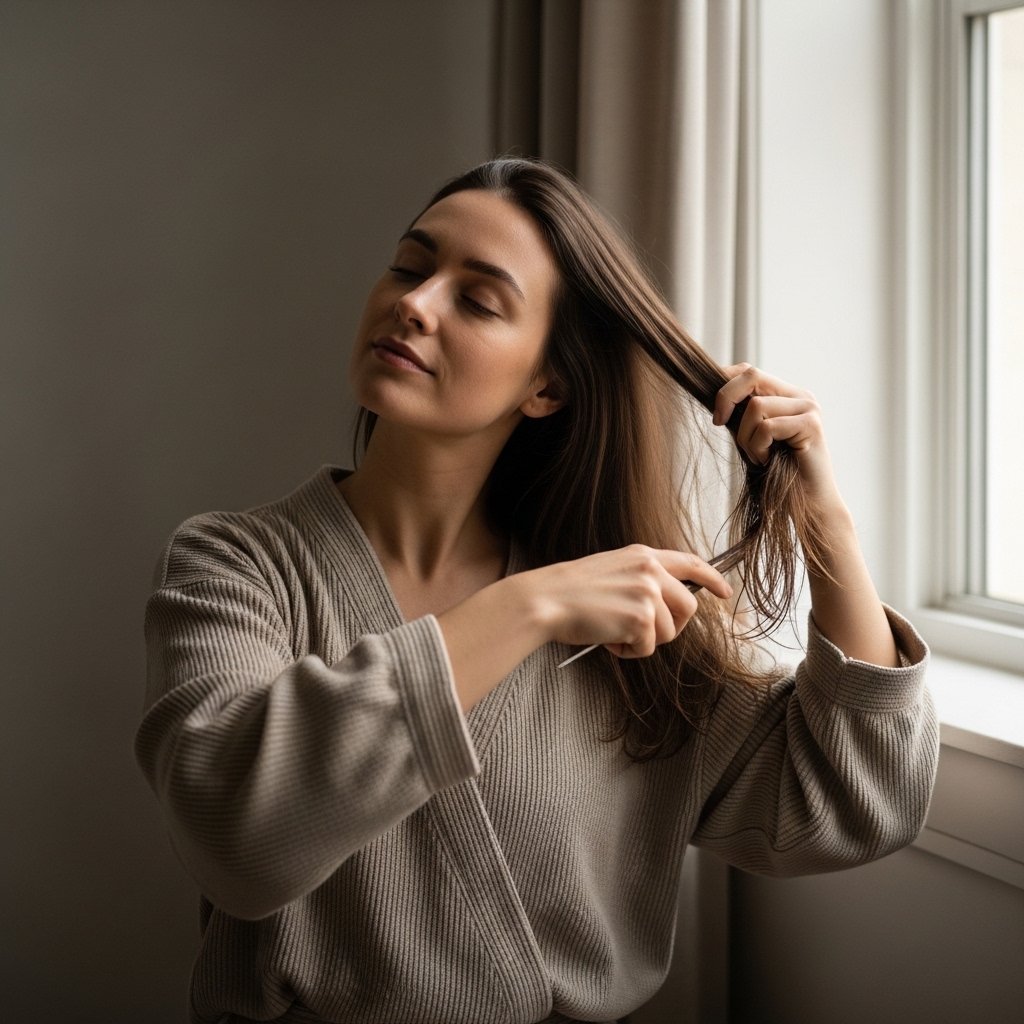
Scalp-first care is part of a wider trend of holistic care in terms of beauty. The well being of the hair is currently associated with the general care habits. The view promotes healthy routines that meet the intrinsic needs as opposed to cosmetic short-term outcomes.
Consistent Care Habits
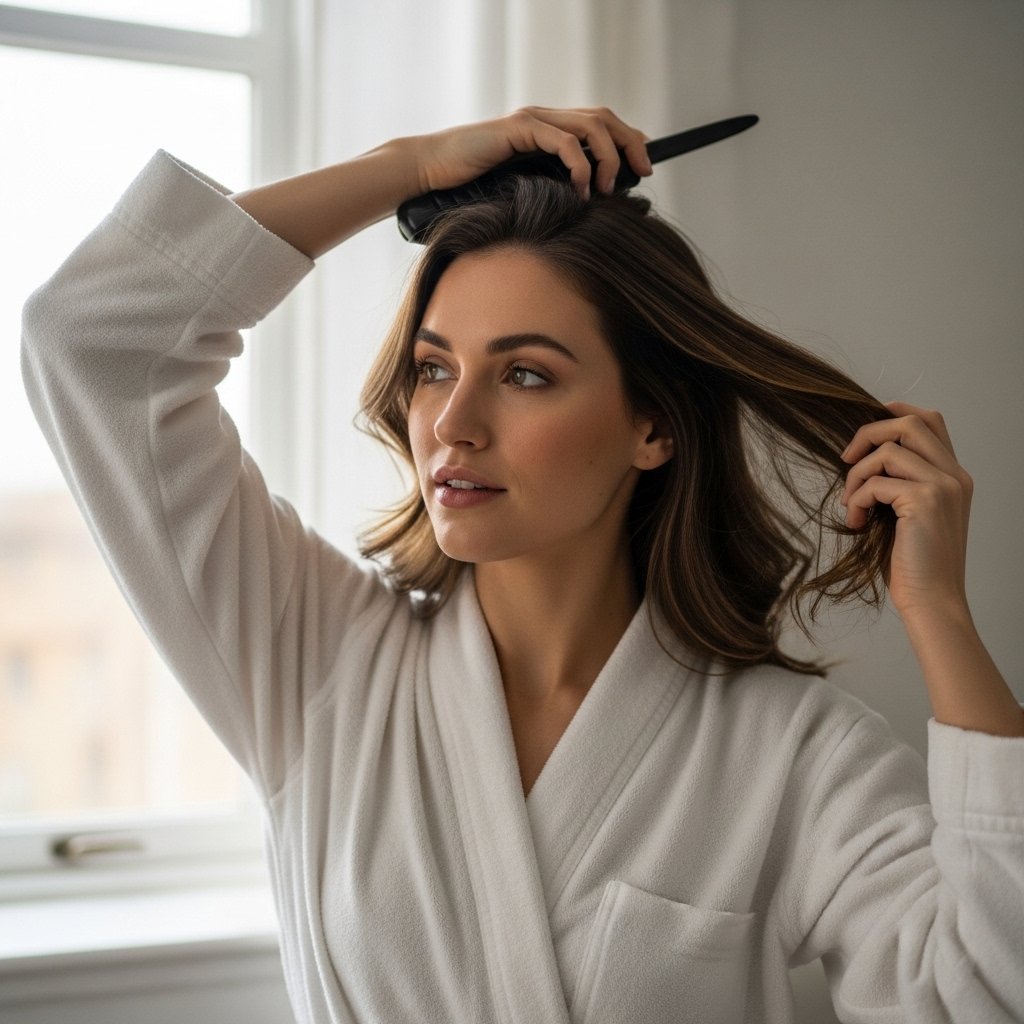
Scalp consistency also helps in keeping it healthy. Commonplace, routine forms of practice usually result in sustainable changes. The adherence to more routine patterns enables women to maintain more stable bases of hair and have more gradual, long-term improvements in hair quality.
