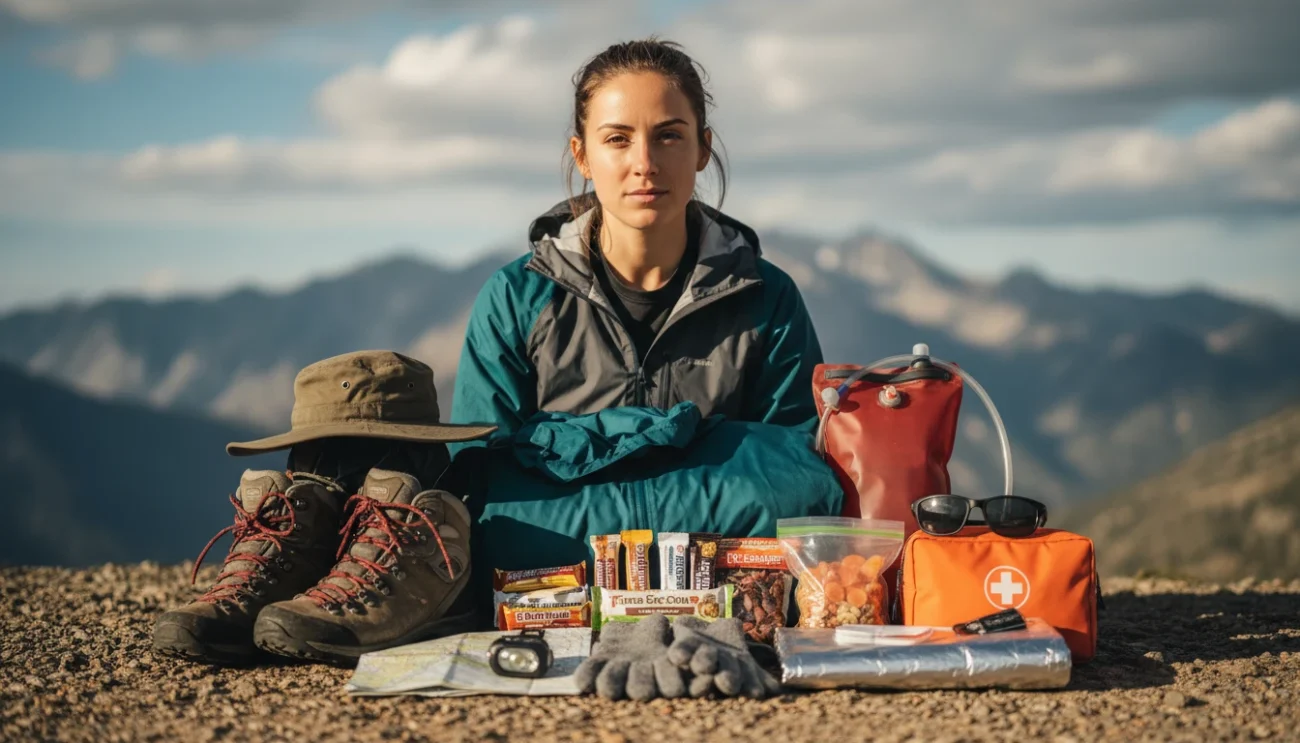
The mountain travel demands both the body and mind more than most trips. The air feels thinner. There is not much warning of the change in the weather. The trails may be soft paths, and within a short distance, they may change to rocky ascents. Well, packing is what will result in gradual advancement and continual pain. Making plans ahead will keep you warm, hydrated and will not make you lose focus on a few minor issues, but rather enjoy the landscape. An even bag does not imply a stuffed one. It will imply the ability to carry only that which will promote safety and comfort and to abandon what will contribute weight in vain. Having the necessary resources, any journey to a high altitude seems to be manageable and gratifying.
Layered Clothing System
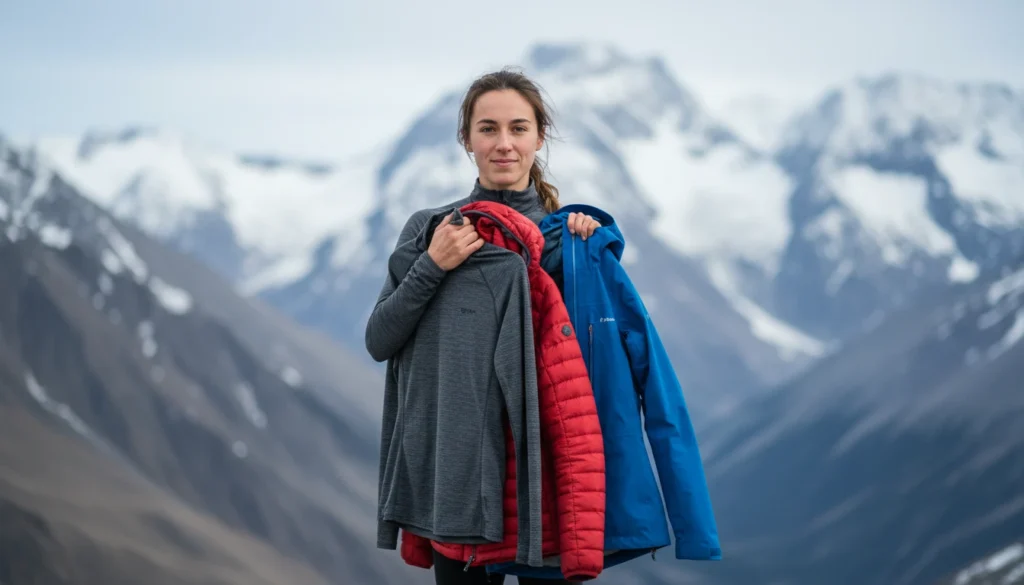
Thesystem of good layering prevents the abrupt change of temperatures. Start by including a moisture-wicking base element, then have an insulation mid-layer plus a windproof shell layer. Layers are very easy to add and subtract as you climb the mountain and conditions change.
Weather-Resistant Jacket
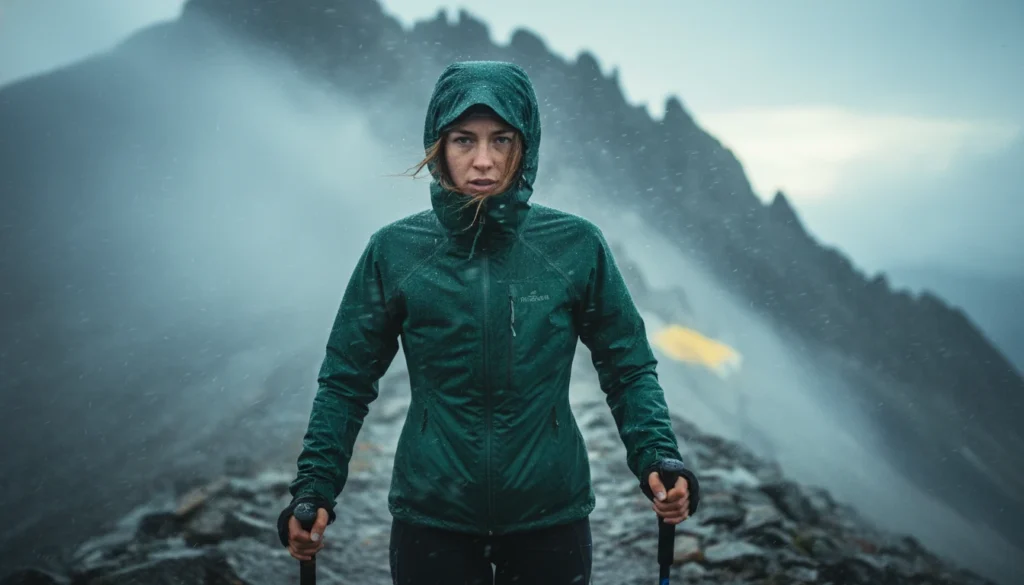
The weather in the mountains can change in several minutes. A jacket is a waterproof jacket with light weight to withstand strong wind, rain, and sleet. Select one that has a breathable fabric so that it is not overheated when climbing steep hills and when walking long distances.
Supportive Footwear
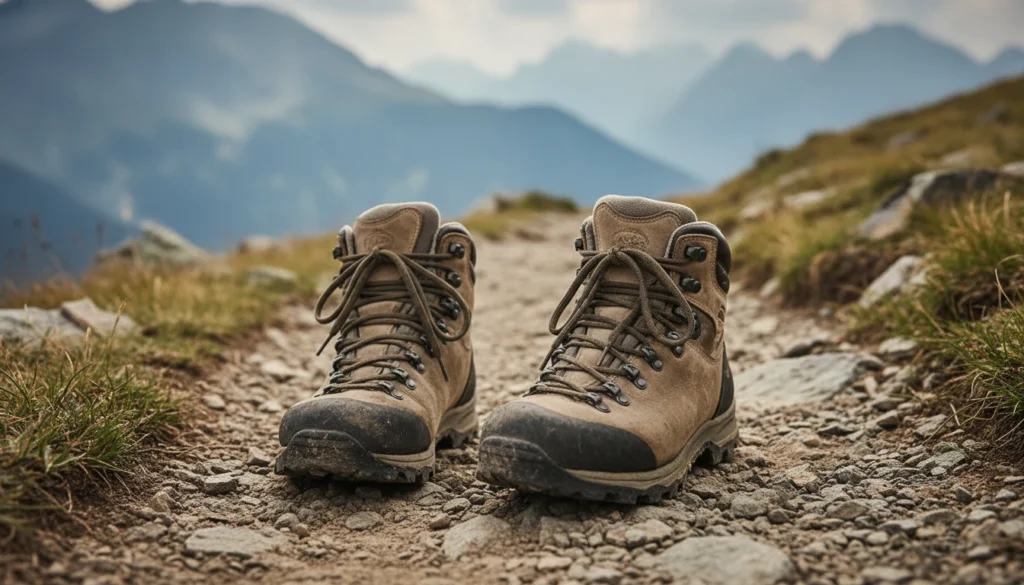
Hard-wearing hiking shoes with ankle support ease the load on unequal surface. Sticky sole is good on rocky tracks and wet roads. Pre-break to prevent blisters and pain on long climbs.
Hydration System
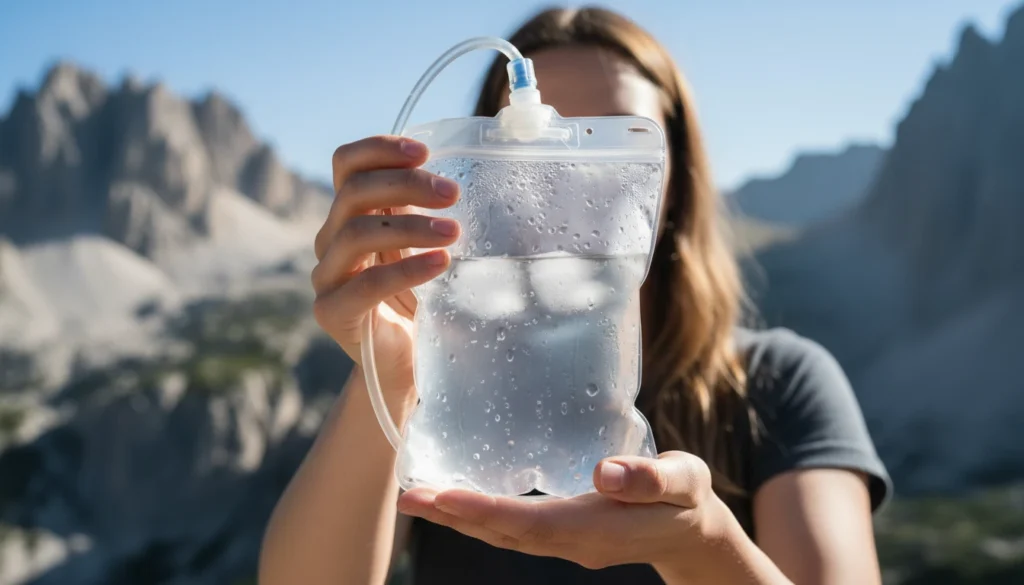
Fluidloss due to evaporation is higher at the altitude. Bring a reusable water bottle or hydration bladder instead of one-time-use plastic bottles. Take in little but frequently. Proper hydration maintains the energy, focus and kinetic equilibrium that’s needed on the trail.
High-Energy Snacks
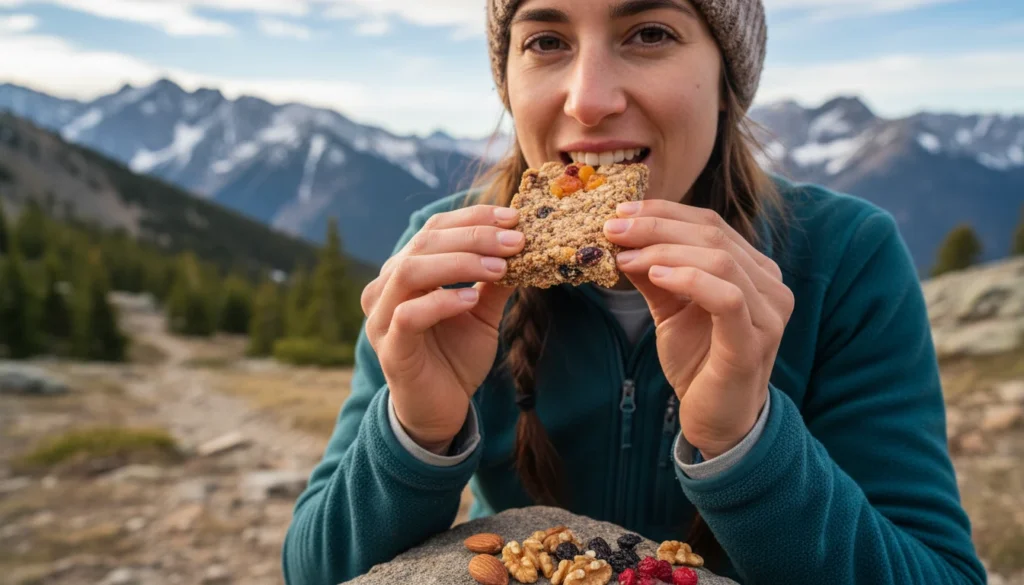
Small portions of snacks provide a steady level of energy without excessive between-meal snacking. Whole-grain bars, nuts and dried fruits can be good options. They fit in your backpack and give you a sustainable energy source that doesn’t take up tons of space.
Sun Protection Gear
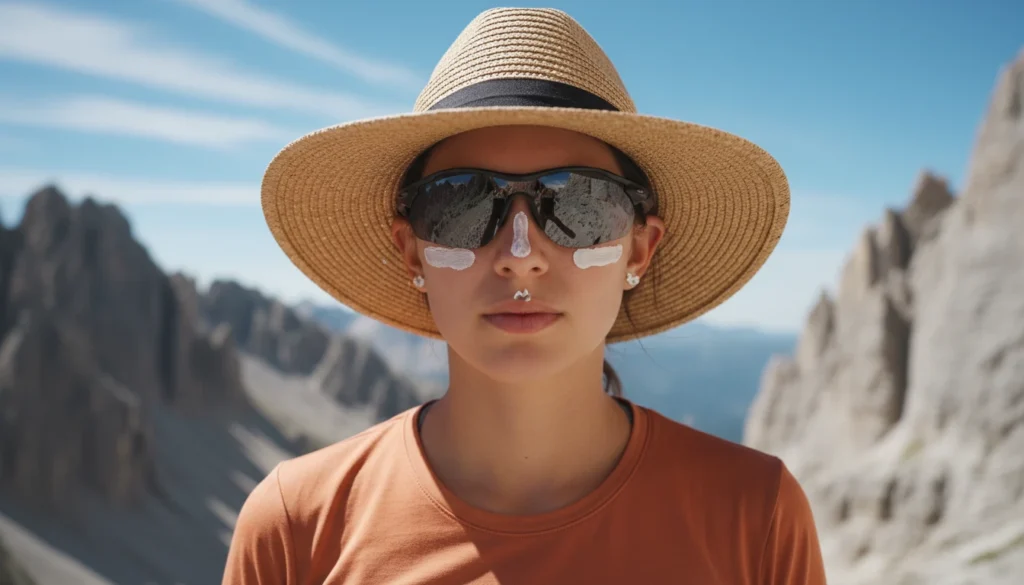
Irradiation of the sun is increased at elevated positions. Sunscreen, a hat with a wide brim and UV protection sunglasses shield the sun’s rays and UV. Strong ultraviolet rays can also be bad even when it’s not sunny.
Navigation Tools
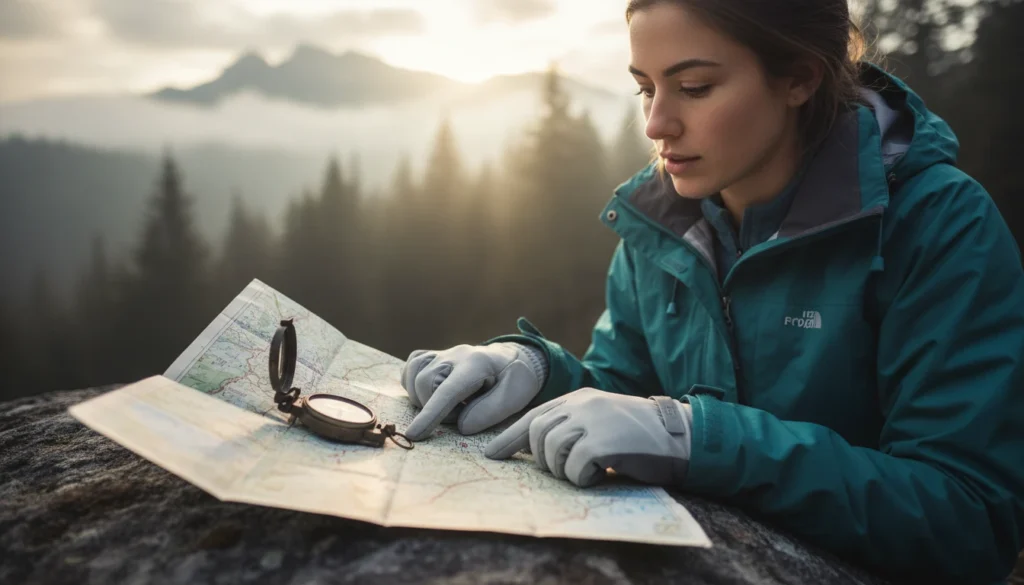
Do not use mobile signals solely. Have a hard copy map and compass or a good GPS. There are also clear navigation tools that would not confuse you when the trails part or in case the weather makes things less visible.
First Aid Kit
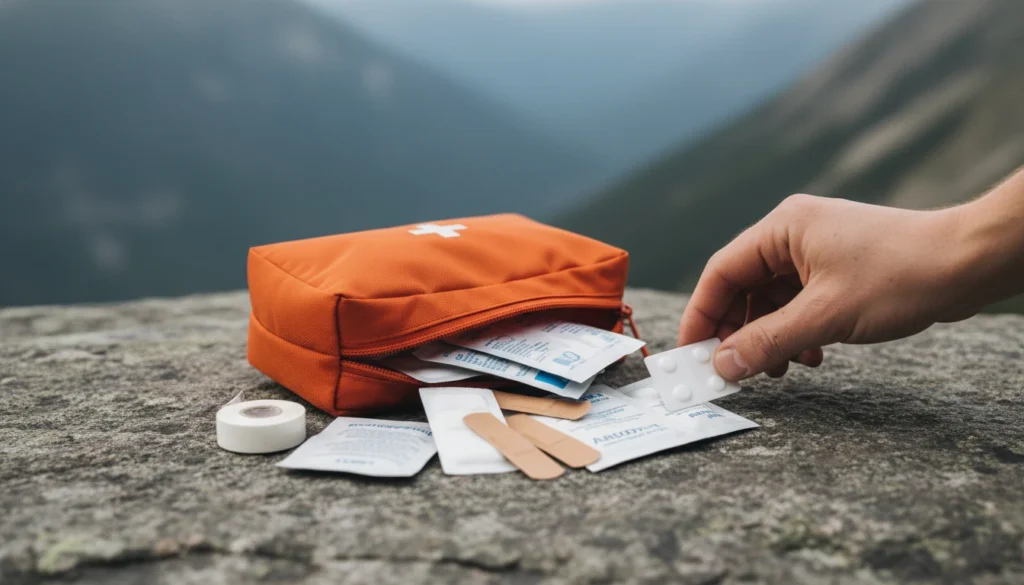
A mini first aid kit should include band-aids, blister treatments, antiseptic wipes and a mild pain reliever to help cope with minor pains. Easy access to these things helps with minor issues, even if there is a delay.
Thermal Accessories
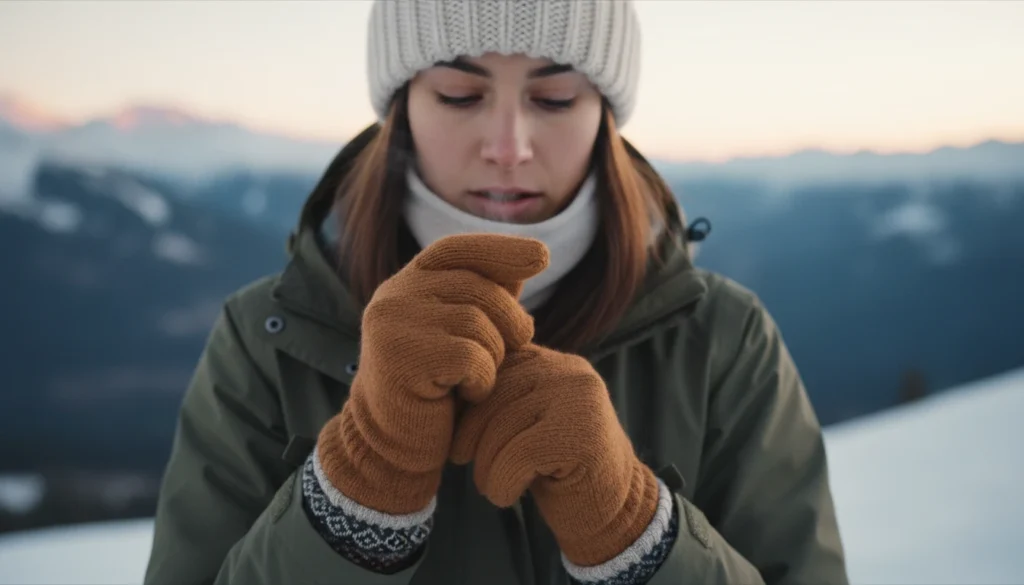
The chill is soothed by a pair of light gloves, a warm hat and thermal socks that make the early mornings and late evenings comfortable. Cold air speeds up the loss of body heat. Mini details are a significant difference in cosiness.
Emergency Shelter Item
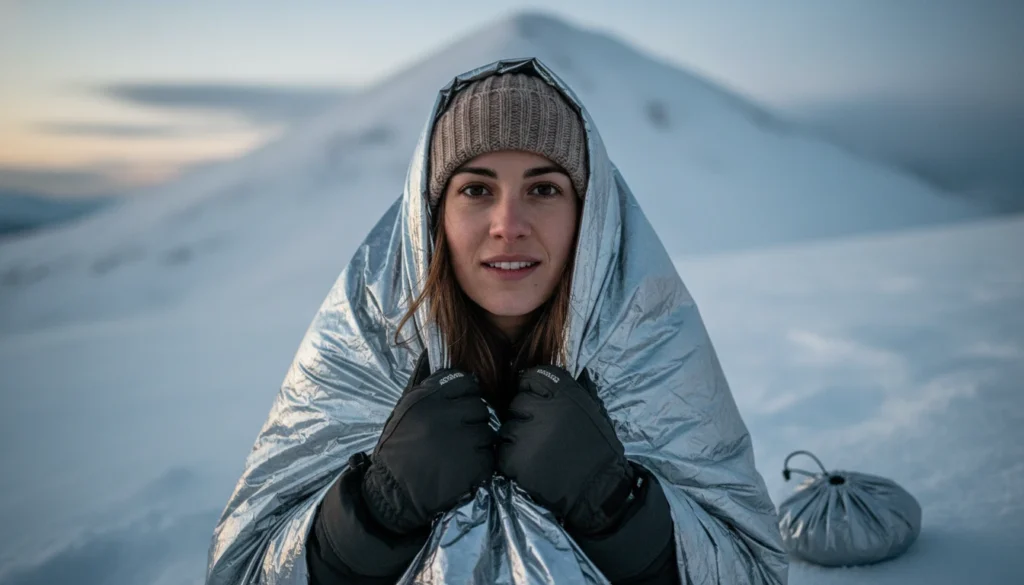
A Bivy sack or space blanket gives a temporary cover in case of a change of plans. It transfers the heat of the body and shields against cold. This is a simple item that provides security but without much weight.
Headlamp or Flashlight
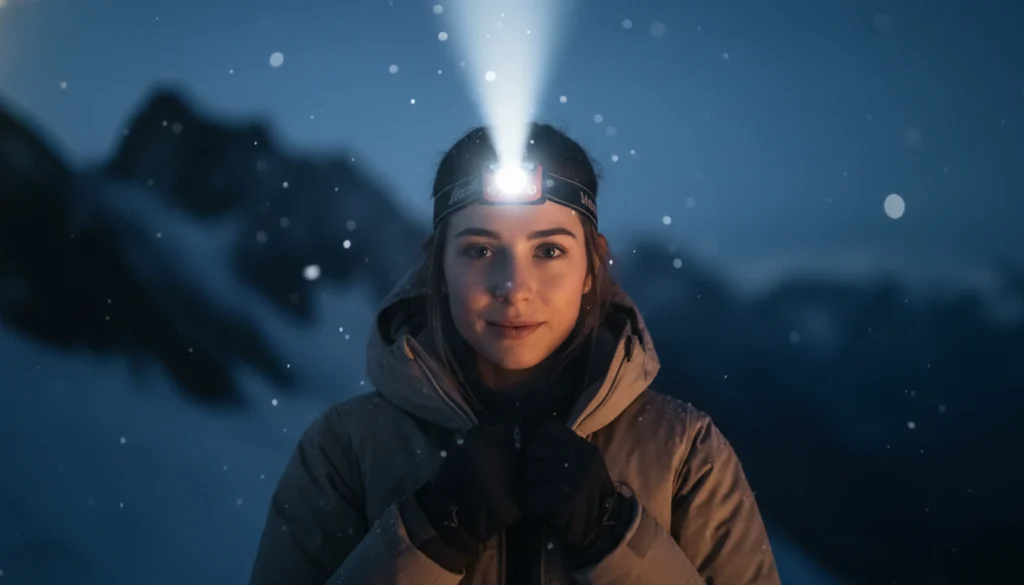
Mountains consume more daylight because of the mountains and valleys. A headlamp leaves your hands free as you drive in the low-light conditions. It is best to carry extra batteries in case of being left with no light.
Personal Identification and Essentials
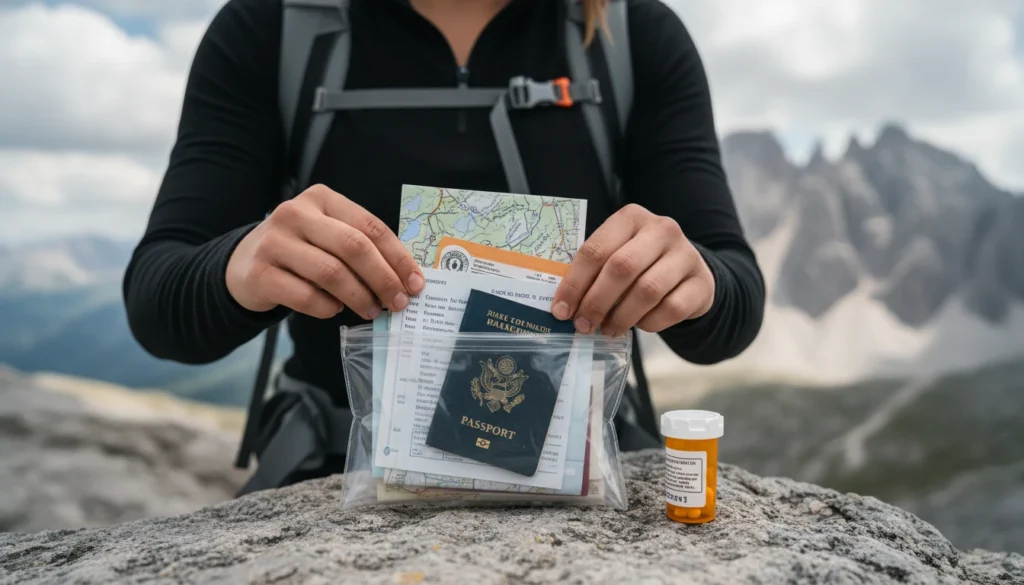
Always have identification, permits and a little local currency in a waterproof pouch. Bring any personal prescriptions required during the trip. Planned necessities keep stress at the checkpoints or remote lodges.
